




| IN A NUTSHELL |
|
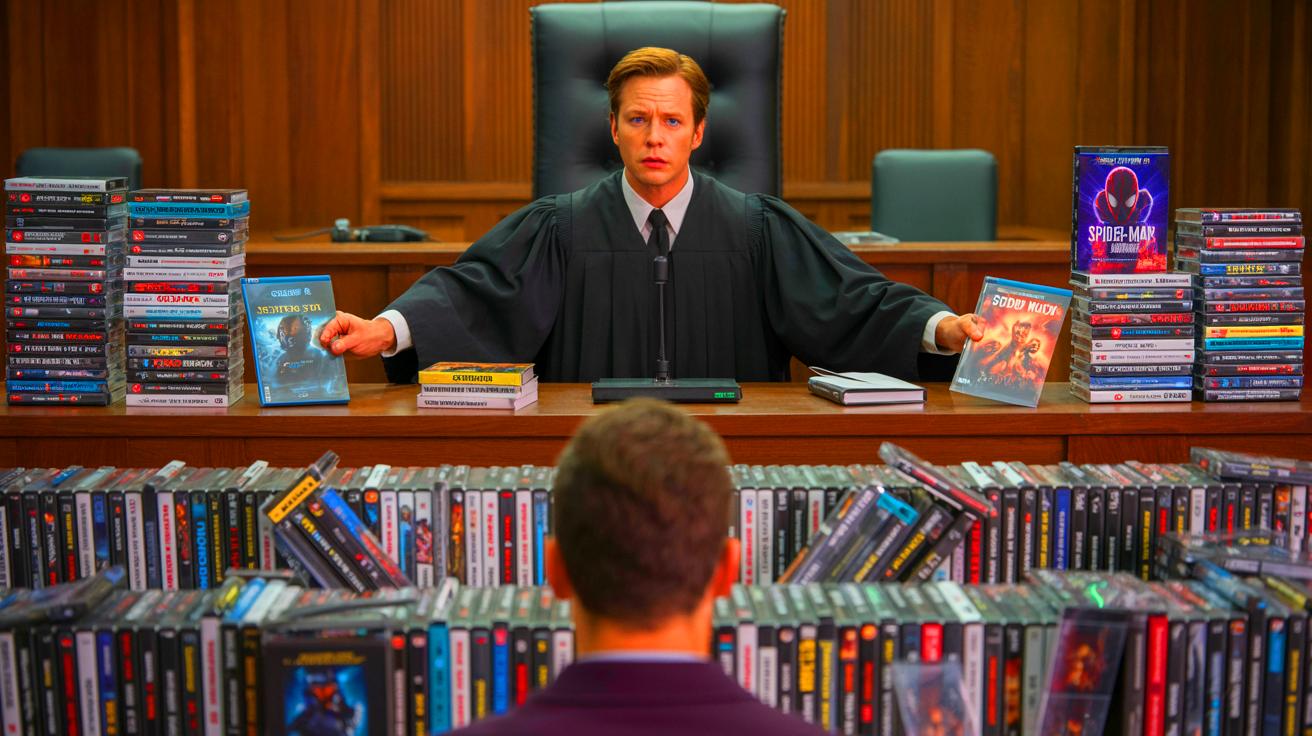
In a case that highlights the evolving nature of media piracy, Steven R. Hale, a 38-year-old from Memphis, Tennessee, was sentenced to nearly five years in prison. Hale’s crime involved the theft of thousands of DVDs and Blu-rays, including pre-release copies of major films such as “Spider-Man: No Way Home.” His actions shed light on the ongoing battle against bootlegging, an underground economy that has adapted with the times. The Department of Justice’s recent sentencing underscores the significant impact of such piracy on the film industry, both in terms of financial loss and the disruption of carefully planned release strategies.
Hollywood Blockbusters Stolen
The scale and scope of Steven Hale’s operation are staggering. Working at a multinational distribution company, he had access to a treasure trove of unreleased films. From February 2021 to March 2022, Hale systematically stole hundreds of DVDs and Blu-rays, adding to an illicit collection that could rival any fan’s home library. The films he pilfered read like a who’s who of recent Hollywood blockbusters: “F9: The Fast Saga,” “Venom: Let There Be Carnage,” “Godzilla v. Kong,” “Shang-Chi and the Legend of the Ten Rings,” “Dune,” and “Black Widow.” However, the crown jewel of his collection was undoubtedly “Spider-Man: No Way Home.”
Hale managed to bypass the stringent encryption on the “Spider-Man” Blu-ray, releasing it online more than a month before its official retail debut. This high-quality copy spread like wildfire across the internet, with millions downloading it, causing substantial financial harm to the copyright owners.
“Today’s sentencing signals our commitment to protecting American innovation from pirates that would exploit others’ work for a quick profit,” said Acting Assistant Attorney General Matthew R. Galeotti, emphasizing the massive financial damage inflicted by Hale’s actions.
Guilty Plea Cuts Sentence
Facing a daunting legal battle, Hale opted to plead guilty to criminal copyright infringement in May. As part of a plea deal, he agreed to return over 1,100 stolen discs and consolidate his case with a separate gun charge, agents had found him with a loaded pistol despite his prior felony convictions. By accepting the plea deal, Hale managed to reduce a possible 15-year sentence to a maximum of five years. The judge ultimately sentenced him to 57 months, just shy of the maximum under the agreement.
The Department of Justice acknowledged the extensive online damage caused by Hale’s leaks, though the calculated “infringement amount” was estimated to be around $40,000.
Special Agent in Charge Joseph E. Carrico of the FBI’s Nashville Field Office stated, “Today’s sentence should send a strong message that willfully stealing another party’s intellectual property is a serious crime and the FBI is committed to holding violators accountable.”
Pentagon’s Satellite “Watchdogs” Now on High Alert Sparking Fears of Global Espionage Crisis
This case, led by the FBI and prosecuted by Senior Counsel Matthew A. Lamberti and Assistant U.S. Attorney Raney Irwin, highlights the significant risks associated with piracy and demonstrates the legal consequences for those who choose to engage in such activities.
The Evolving Nature of Bootlegging
Bootlegging, once characterized by grainy camcorder recordings in movie theaters, has evolved significantly in the digital age. Today, it includes polished Blu-ray rips, often appearing online weeks before their official release. This evolution has been fueled by the rapid advancements in technology and the increasing demand for instant access to content. The internet has provided a fertile ground for bootleggers, allowing them to reach a global audience with relative ease.
Despite the legal risks, many still engage in bootlegging, driven by the potential for significant financial gain. However, as Hale’s case demonstrates, the consequences can be severe. While some segments of the internet community may view bootlegging as a harmless or even justifiable act, it presents a significant threat to the film industry. Studios invest considerable resources in producing and marketing films, and piracy undermines their ability to recoup those investments. The challenge for law enforcement and the industry alike is to adapt their strategies to combat this ever-changing threat.
Impact on the Film Industry
The impact of piracy extends beyond immediate financial losses. Leaks of unreleased films can disrupt carefully timed marketing campaigns and affect box office performance. The early release of “Spider-Man: No Way Home” not only cost the studio financially but also potentially altered the film’s release strategy. With millions accessing the pirated version online, the anticipation and excitement that typically build around a blockbuster release may have been significantly dampened.
Moreover, piracy can affect employment within the industry. From actors and directors to crew members and marketing teams, countless individuals rely on the success of films for their livelihoods. When films are pirated, the ripple effects can be felt throughout the industry, impacting jobs and future projects. As the film industry continues to grapple with the challenges posed by piracy, it must also explore new ways to engage audiences and ensure that legitimate content remains accessible and appealing.
Steven Hale’s case serves as a stark reminder of the ongoing battle against media piracy. While his sentence may deter some would-be pirates, the challenge of combating bootlegging in the digital age remains. As technology continues to advance and consumer habits evolve, the film industry and law enforcement must adapt to protect intellectual property. What strategies can be developed to effectively combat piracy while still meeting the demands of an increasingly digital audience?