


Why data centre groundwork should wait for environmental assessments
Clearing land for a data centre can reshape a landscape before anyone has studied it. The Finnish halt on two Google sites shows why the impact assessment has to come first.
 By
Ellis Marwood
By
Ellis Marwood
Large data centres are often presented as clean, quiet neighbours: rows of servers behind a fence, powered by electricity from the grid. The ground beneath them tells a different story. Before a single rack is installed, developers usually need to clear land, move soil, lay access roads and reshape drainage. Those early steps can change a landscape for decades, which is why many European countries require an environmental impact assessment before work of that kind begins, not after.
In brief
- The ground beneath them tells a different story.
- Northern Europe attracts data centre investment for practical reasons.
- Data centres are built to run for many years; treating the land they stand on with the same long view is part of building them responsibly.
What an environmental impact assessment is meant to do
An environmental impact assessment, often shortened to EIA, is a structured procedure. The developer describes the project, specialists study the site and its surroundings, the public and local authorities can comment, and the competent agency reviews the findings. The point is to identify effects on forests, water, wildlife and local communities while there is still time to change the design, move a building or protect a sensitive area. Once trees are felled and topsoil is gone, most of those options disappear, so the timing of the assessment matters as much as its content.
For that reason, the line between “preparatory work” and “construction” is where disputes tend to arise. Companies under time pressure may argue that clearing a plot is routine forestry or site preparation. Regulators may answer that the same work alters the environment the assessment is supposed to examine, and that it therefore has to wait.
The Finnish case as a warning sign
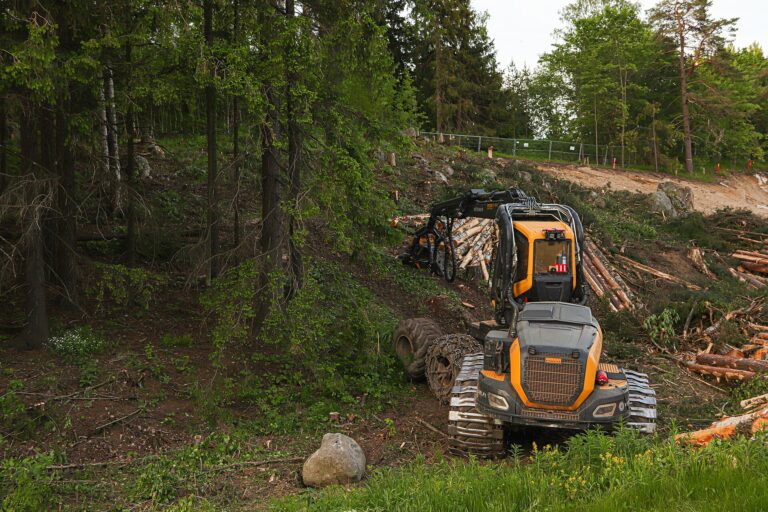
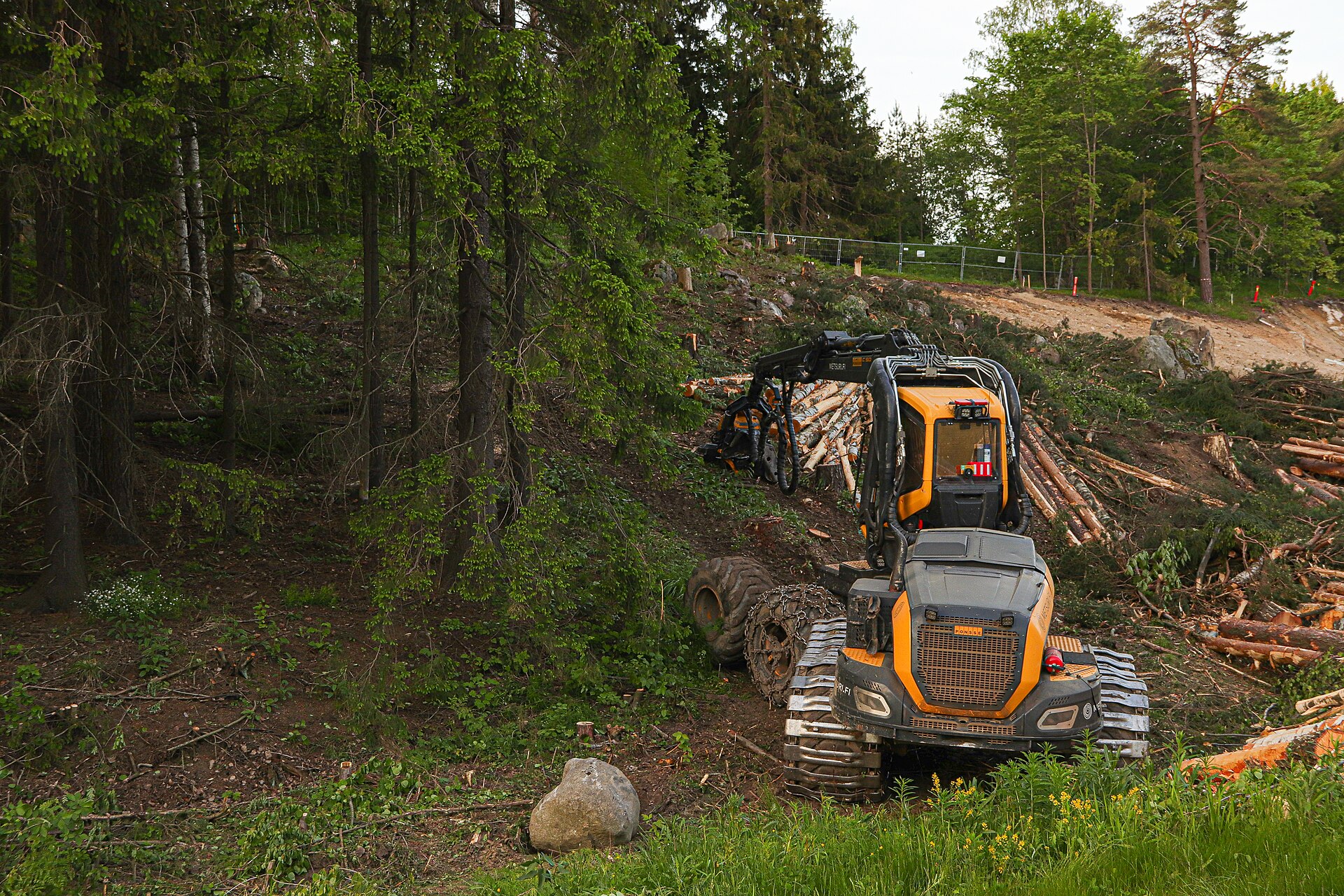
Finland offers a clear illustration. As the BBC reported on the halt ordered at two planned Google sites, the national supervisory agency, LVV, told the company behind the projects at Muhos and Kajaani to suspend measures that would significantly alter the environment until the required assessments were done. The agency listed tree removal, topsoil stripping, site roads, storage areas and changes to ditches among the works already carried out.

Google acknowledged that it had fallen short of its own standards and said it would follow the agency’s guidance, while maintaining that it had acted in good faith under forestry rules and had run nature surveys. The Guardian’s account of the Finnish order adds the view of the Finnish Association for Nature Conservation, whose officials linked the problem to an overheated market for new facilities and to small municipalities lacking the expertise to keep up.
Why the Nordic boom raises the stakes
Northern Europe attracts data centre investment for practical reasons. A cool climate cuts the energy needed to keep servers at a safe temperature, and the region has access to low-carbon power. Those advantages are real, but they also mean that several large projects can land on rural communities at once. A small planning office that normally handles housing extensions or farm buildings may suddenly face applications covering vast areas of forest.
When demand runs ahead of local capacity, two risks appear. Developers may start groundwork before the paperwork is finished, and authorities may only spot the gap once the damage is visible. Restoration plans, such as replanting trees elsewhere on a site, can soften the result, but they rarely recreate an established habitat.
What residents and investors can watch for
For people living near a proposed site, the most useful questions are simple. Has the assessment been completed, or only started? Which works are allowed before it ends? Who supervises the site, and how can concerns be reported? Public consultation periods are the moment when local knowledge about wetlands, footpaths or protected species carries the most weight.
For investors and the companies themselves, the lesson is about sequencing. Respecting the assessment calendar can feel slow, yet a stop order, enforcement proceedings or a damaged reputation usually cost more than a few months of patience. Data centres are built to run for many years; treating the land they stand on with the same long view is part of building them responsibly.
Featured image. Source: Wikimedia Commons. Credit: Coen. License: CC BY-SA 4.0.