



| IN A NUTSHELL |
|
In the heart of Oslo’s historic neighborhood of Bjørvika, a remarkable discovery has surfaced, captivating historians and archaeologists alike. Thousands of well-preserved leather goods from the medieval era have been unearthed, offering a rare glimpse into Norway’s past. This excavation, led by the Norwegian Maritime Museum, has provided a treasure trove of artifacts that illuminate the lives and social structures of medieval Norwegians. From intricately designed shoes to various leather bags, these items reveal a tapestry of daily life and the cultural significance of leather in the 13th and 14th centuries.
That’s a Lot of Leather
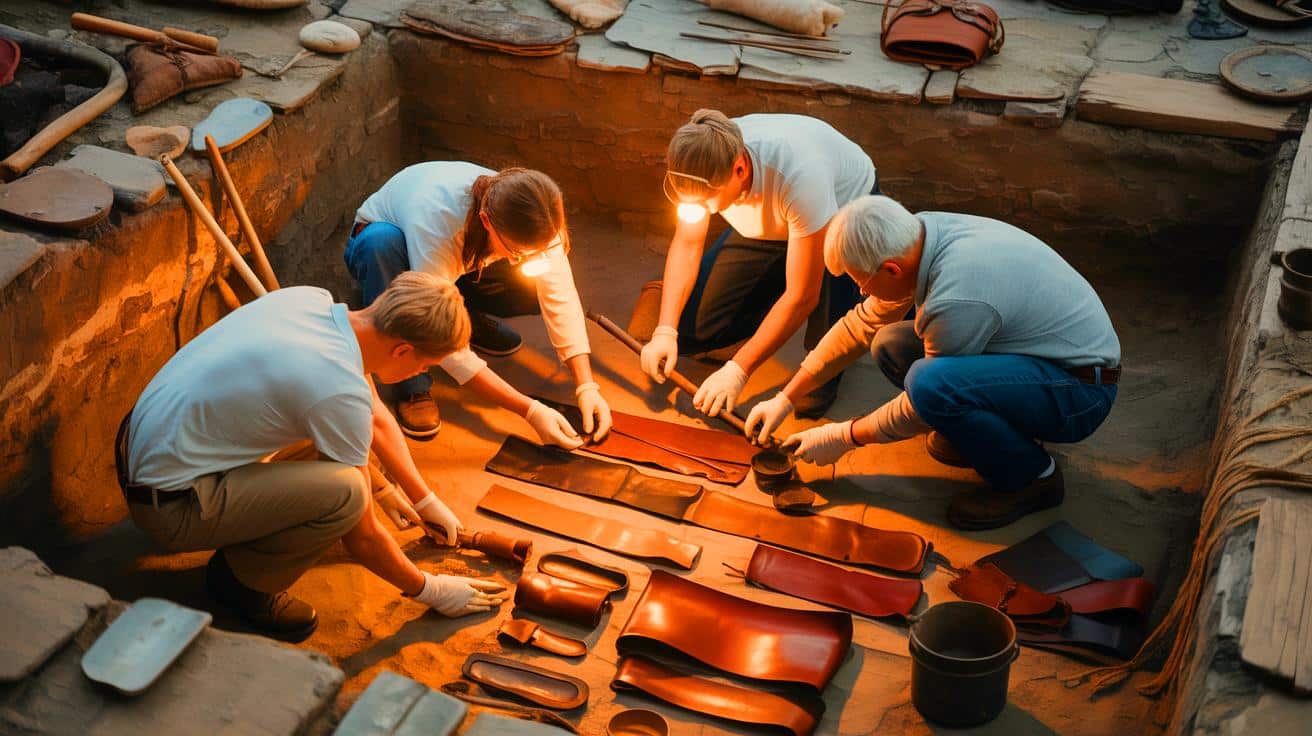
The Norwegian Maritime Museum’s excavation has brought to light a staggering collection of leather artifacts, echoing the everyday essentials of medieval life. As the team delved into an old harbor site, they uncovered thousands of waterlogged leather pieces, preserved by the oxygen-deprived clay. This exceptional preservation allowed researchers to identify and catalog approximately 2,500 leather goods, including bags, purses, and shoes. These items were crafted from tanned leather, often sourced from goats or calves, and displayed a wide array of styles. Ranging from simple to elaborate designs, the bags often featured embossed patterns or embroidery, reflecting the owner’s status and wealth. Each artifact tells a story, providing a tangible connection to the past and highlighting the intricate craftsmanship of medieval Norway.
Most of Which Were Shoes
Among the leather goods, shoes were particularly abundant, with 227 recovered so far and over 1,000 expected to be cataloged. The variety in design and wear patterns offers a fascinating insight into the lives of their medieval owners. As head archaeologist Marja-Liisa Petrelius Grue notes, these shoes serve as a “footprint” from the Middle Ages, embodying the daily journeys and experiences of their wearers. Notably, forty of these shoes belonged to children, an especially valuable find that sheds light on the often-overlooked lives of medieval youth. These children’s shoes, with their numerous repairs and adjustments, reveal the care and attention given by parents to ensure their offspring were well-equipped for life’s adventures. The discovery of these leather goods, particularly the shoes, provides a vivid snapshot of medieval Norwegian society, emphasizing the importance of footwear in daily life.
The Medieval Footprint
The significance of this excavation extends beyond the sheer volume of artifacts. It offers a unique perspective on the social dynamics and cultural values of medieval Norway. Leather items, such as shoes and bags, were not merely functional; they were symbols of identity and status. The variety in design and decoration indicates a society where personal expression and distinction were valued. Each piece of leather tells a story, revealing the intricacies of daily life and the shared human experiences that transcend time. The preservation of these items allows modern archaeologists to piece together a vivid picture of the past, providing insights into the trade connections and economic activities of the era. This discovery underscores the enduring relevance of archaeology in unraveling the mysteries of history and connecting us to our ancestors.
The Future of Archaeological Discoveries
The excavation under Bjørvika School serves as a testament to the rich history waiting to be uncovered beneath our feet. As new construction projects emerge, they offer opportunities to explore and document the past. The findings in Oslo highlight the importance of preserving archaeological sites and investing in research to deepen our understanding of historical societies. These leather goods, once discarded and forgotten, now serve as invaluable teaching tools, inspiring future generations to appreciate and learn from the past. This discovery prompts us to consider the untapped potential of other historical sites and the stories they might reveal about human history and cultural evolution. As we continue to explore and protect our archaeological heritage, what other secrets might lie hidden, waiting to be discovered?