



Science and technology desk
Science
Research institutions, laboratories and discoveries, with Britain in the foreground: the site’s largest section covers physics, climate, archaeology and the funding that keeps British research running.
Continue reading
Home stories include Harwell’s 80 years in the nation’s nuclear history, the funding threat hanging over Jodrell Bank, the end of the BP partnership at the Science Museum Group Academy and a purpose-built tower tracking greenhouse gases in real time. A US modular reactor reaching a UK milestone also features.
International research fills the rest: MIT work on the atomic nucleus and on atomic clock precision, boron isotopes for nuclear waste, lab-grown human blood, monkeys tapping to music, pre-Incan brewing and the faces of Colombian mummies. Reports name the institution behind the work, so readers can trace the original study.
107 stories
Top stories
Latest stories
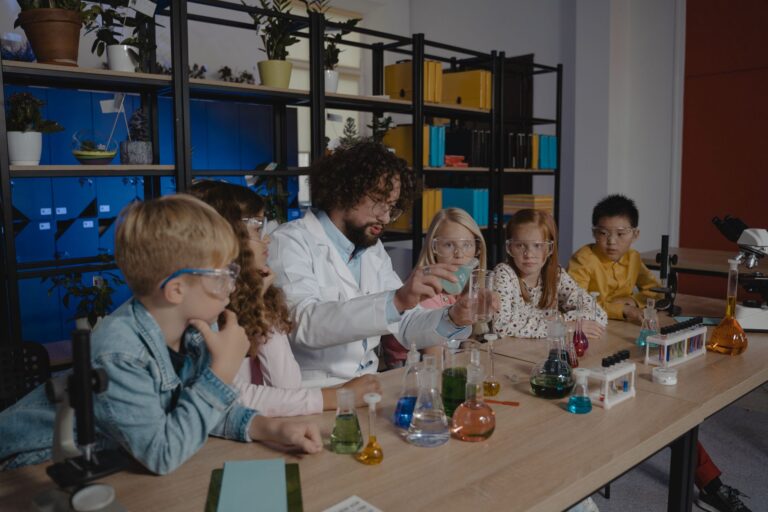
Rosalind Franklin is the only woman named in compulsory GCSE science
A Cambridge-led study of over 40 exam specifications found that just three women appear, and only Rosalind Franklin is in compulsory GCSE science.

Adults don’t lose their creativity, they lose the confidence to use it
Judges rated grown-ups' work as more original and useful than that of children aged four to seven, yet adults reported less confidence and more anxiety.
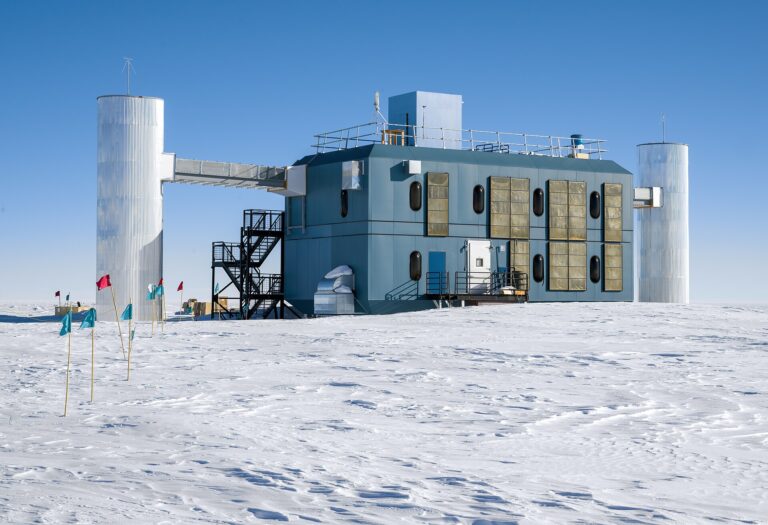
Neutrino telescopes and the ice that makes them possible
Neutrinos cross almost everything in their path. This guide explains how a huge block of clear ice and buried light sensors turn rare collisions into…
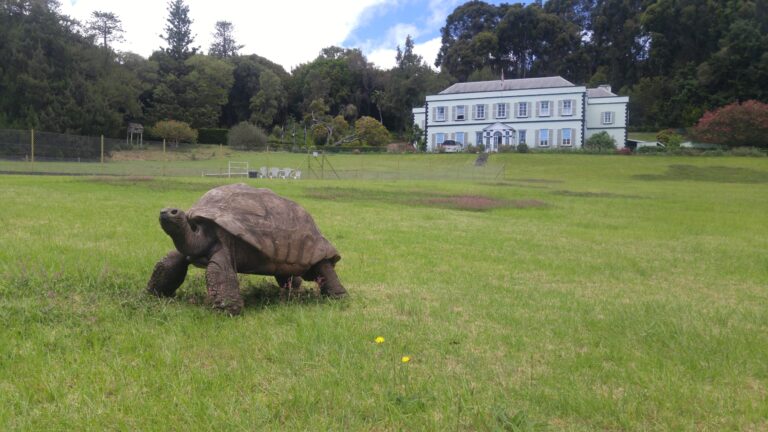
Jonathan the tortoise’s DNA hints at how cells stay youthful
A study in Science Advances found that the energy switches in a 194-year-old giant tortoise’s cells look far younger than the rest of his genome.

The Nobel chemistry breakthrough that makes one molecular mirror image dominate
Henri B Kagan and Kensō Soai showed how reactions can strongly favour one molecular mirror image, a capability relevant to drug chemistry and the asymmetry…
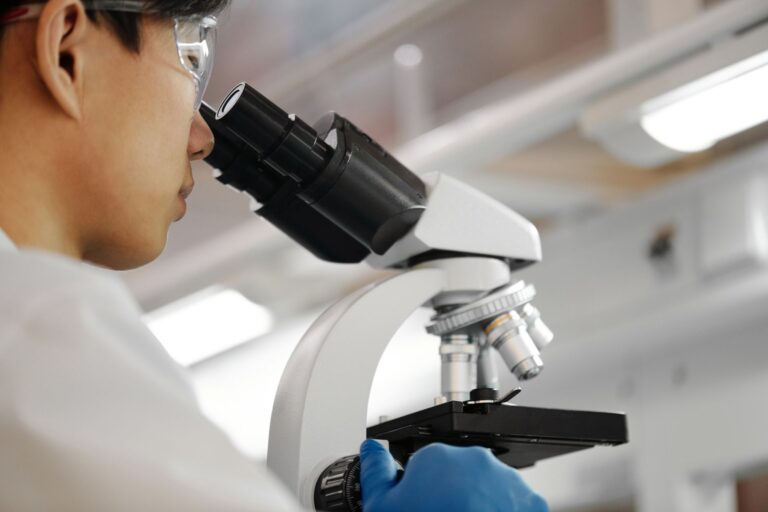
Optogenetics gives brain researchers a precise way to test what neurons do
Karl Deisseroth, Peter Hegemann and Georg Nagel share the award for work that gave neuroscience a precise way to activate or silence selected nerve cells…
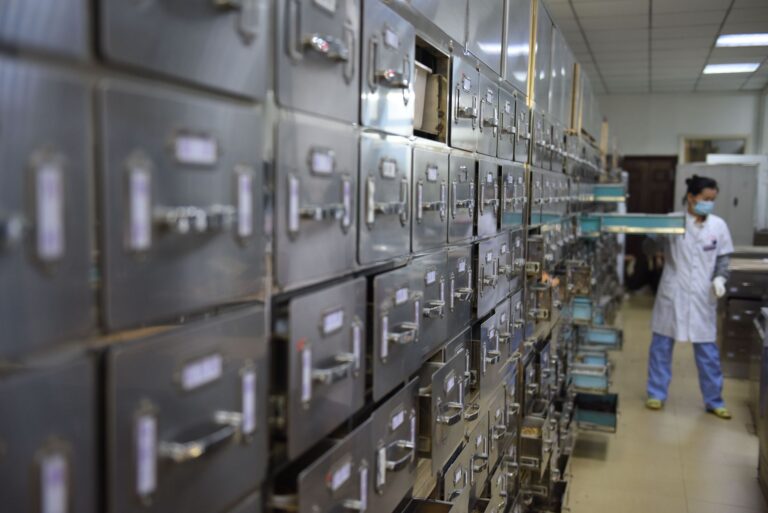
Harwell marks 80 years at the centre of Britain’s nuclear legacy
Established in 1946, Harwell is marking eight decades that have taken the Oxfordshire site from early atomic research to radiological safety, medical applications and nuclear…
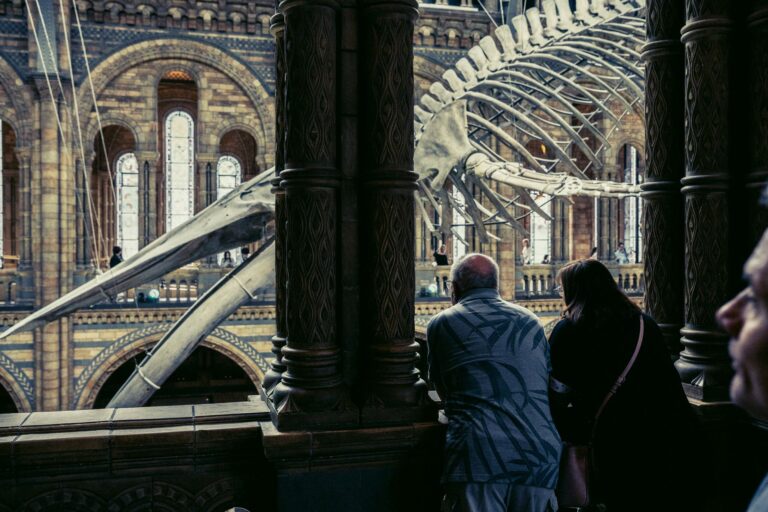
Science Museum Group Academy ends BP partnership as contract term concludes
The Science Museum Group Academy’s partnership with BP will end on 31 August 2026, closing a long-running arrangement that supported science-engagement training for education and…
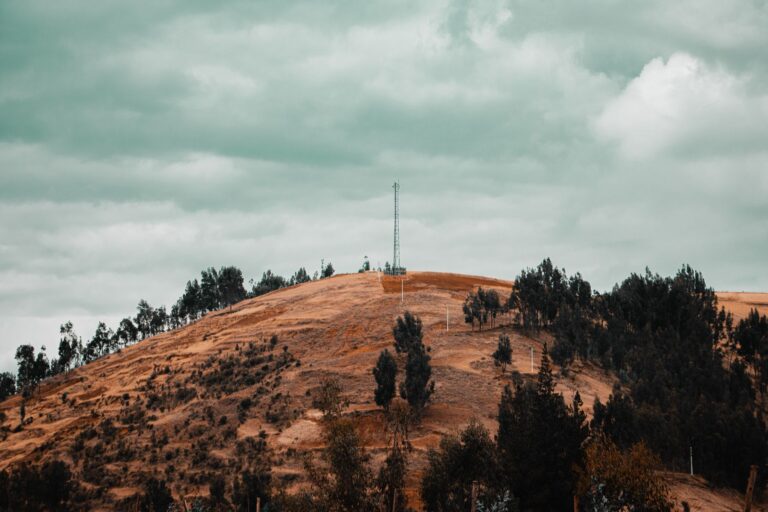
UK’s First Purpose-Built Science Tower to Track Greenhouse Gases in Real Time
A new 100-metre observatory in Angus is designed to collect continuous atmospheric measurements, helping researchers refine estimates of greenhouse gas emissions across Scotland and the…

Jodrell Bank funding threat unites science, music and public life
A funding decision puts Jodrell Bank's scientific observations at risk after March 2028, drawing support from researchers, musicians and public figures across the UK.

US Firm’s Modular Reactor Achieves Key UK Milestone, Promising a Greener Future with Efficient Energy Solutions
In brief The BWRX-300 reactor reaches a key regulatory milestone, advancing nuclear technology deployment globally. Global investments in the BWRX-300 highlight its potential to revolutionize…
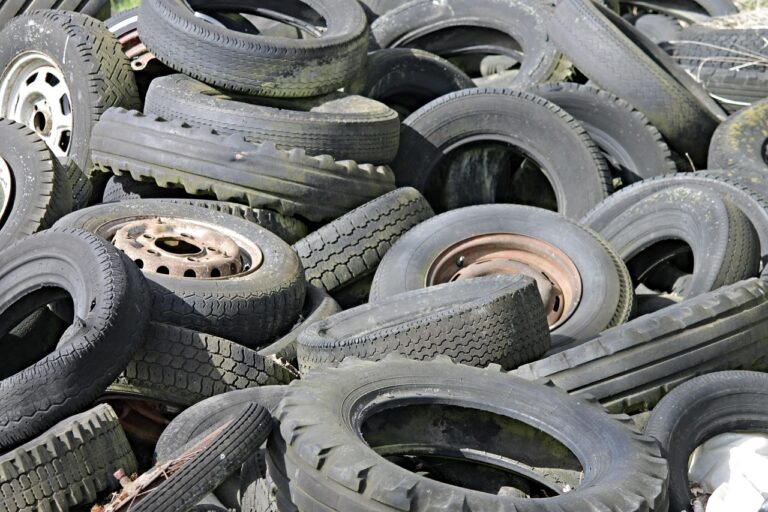
Old Tires Transform Roads, Offering Longer Lifespan and Heat Resistance: A Sustainable Solution for Modern Infrastructure
In brief Researchers at CDU aim to enhance road durability using recycled tires and plastics. The study targets the extreme heat conditions of Australia’s Northern…