


How a UK by-election works and why it matters
A plain guide to UK parliamentary by-elections: why seats fall vacant, how the vote and count work, and what to look for in the result.
 By
Callum Fairbairn
By
Callum Fairbairn
A by-election is a special vote held to fill a single vacant seat in the House of Commons between general elections. It looks like a small affair, one constituency and one result, yet it often carries more political weight than its size suggests. Understanding how these contests work, and why parties and commentators pay so much attention to them, makes it easier to read the headlines when the next one comes around.
In brief
- It looks like a small affair, one constituency and one result, yet it often carries more political weight than its size suggests.
- The returning officer reads out the totals and declares the winner, often in the small hours, in front of the candidates and their supporters.
- Reading the numbers in context, rather than relying on a headline, is the most reliable way to judge what a by-election really tells us.
Why a seat becomes vacant
A constituency needs a new member whenever its sitting MP leaves the Commons mid-term. The most common reasons are death, resignation, elevation to the House of Lords, or disqualification. Sometimes an MP steps down to take up another role, and sometimes a seat falls empty for reasons that were not expected at all. In each case the vacancy is formally recorded and a by-election is arranged, with the timing set through a motion in the Commons rather than by a fixed calendar.
Until the new member is sworn in, the constituency has no MP in Parliament. Local casework is normally handled by the council and by neighbouring members who volunteer help, but nobody holds the seat’s vote in the Commons.
How the contest is run
The rules are the same as in a general election. Voters in the constituency choose one candidate under the first-past-the-post system, and the person with the most votes wins, even without an overall majority. Candidates must be formally nominated, and the list of those standing is published before polling day. It can range from a handful of names to a long ballot that includes minor parties and independents.
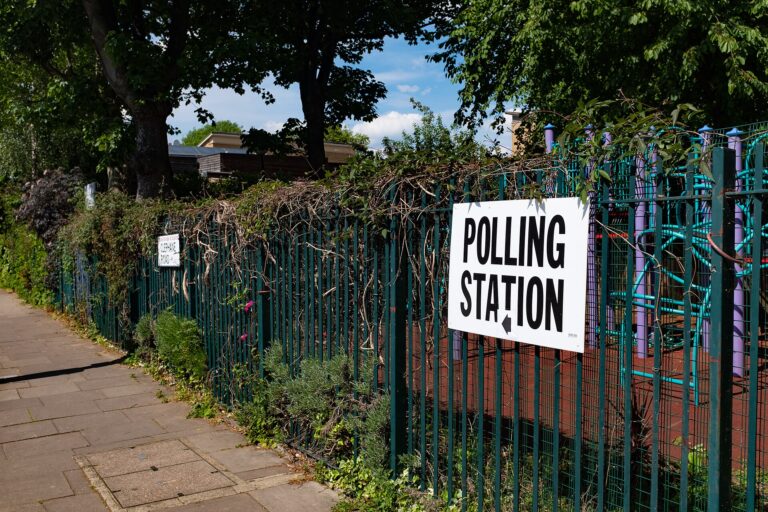
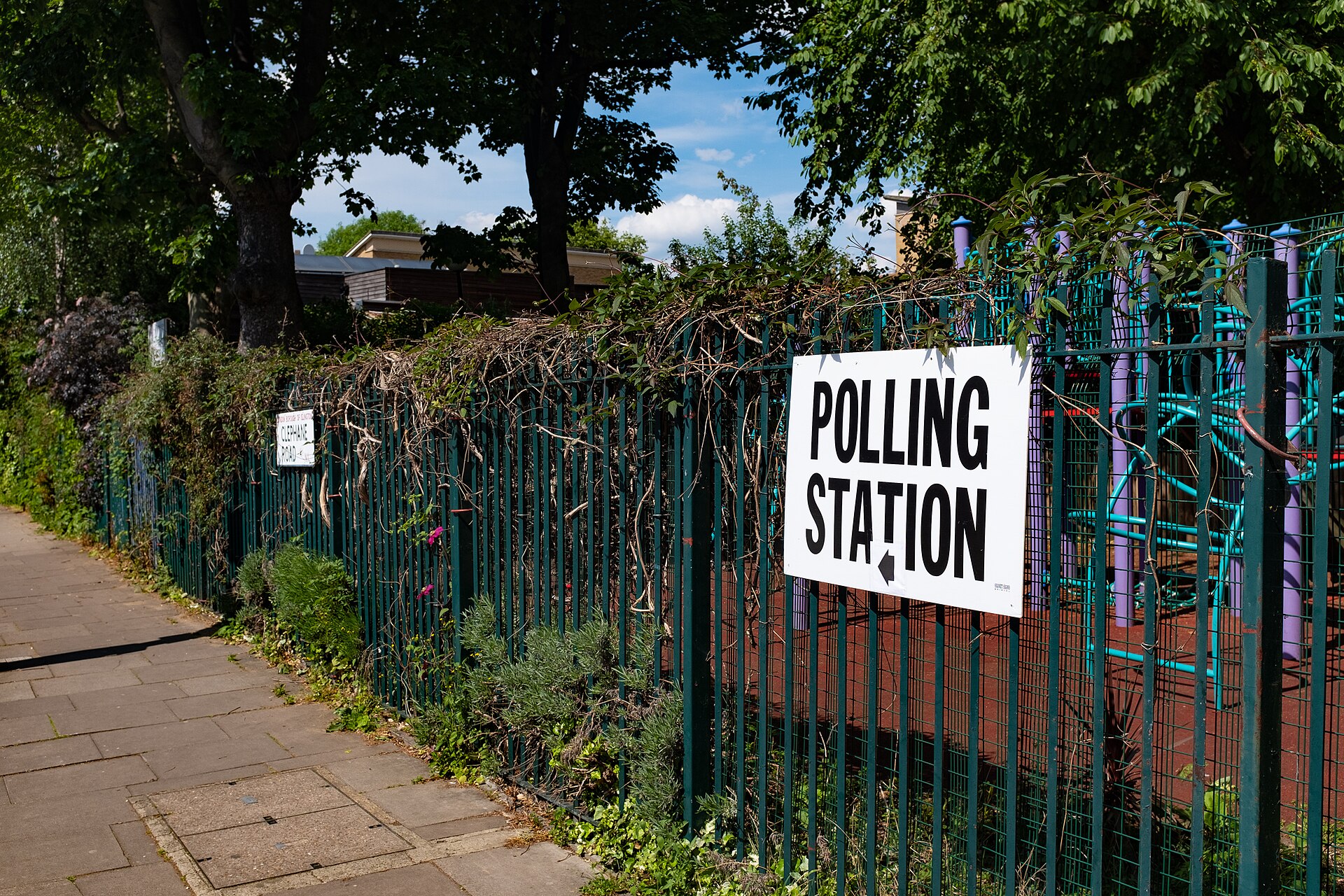
Polling stations are open from early morning until late evening, and voters are asked to show approved photographic identification before they receive a ballot paper. The boxes are then taken to a central venue, usually a sports hall or leisure centre, where the count takes place overnight. The returning officer reads out the totals and declares the winner, often in the small hours, in front of the candidates and their supporters.
Why these elections matter
By-elections are closely watched because they are one of the few moments when voters can express a view on the government without changing who runs the country. That freedom changes behaviour. Some people who normally back one of the larger parties choose to register a protest, others stay at home, and smaller parties can concentrate their campaigning resources on a single area.
Several features are worth looking for in the result:
- The size of the winner’s majority compared with the previous general election, which shows whether support has grown or slipped.
- The share of the vote taken by challengers, particularly when a smaller party moves into second place.
- Turnout, which is usually lower than in a general election and affects how far the result can be read as a national signal.
- The fate of candidates who lose their deposit, a sign of how little backing they attracted.
Analysts also remind readers that a by-election is a poor predictor of a general election. Local issues, the personality of the candidates and tactical voting can all distort the picture, and governments have often recovered from bad by-election nights. Still, a strong swing in a safe seat can show the direction of travel and put pressure on party leaders.
What happens after the declaration
Once the result is announced, the winner is entitled to take the seat. The new member attends the Commons, takes the oath or makes an affirmation, and is introduced to the chamber by colleagues. From that point they can speak and vote like any other MP. The party that held the seat before often hopes to keep it, while rivals see even a narrow gain as a boost in morale and in the next round of media coverage.
For constituents, the practical effect is simple: they once again have a representative to take up local issues, from housing and transport to public services. For parties, the result becomes a talking point that can shape strategy for months, which is why campaigns in a single seat can attract activists and journalists from across the country.
How to follow one without being misled
When a by-election is under way, it helps to separate what is known from what is merely predicted. Polls of a single constituency are small and can be wrong, and betting odds reflect expectations rather than votes. Wait for the declaration, check the official figures published by the local authority, and compare them with the last full contest in the same seat. Reading the numbers in context, rather than relying on a headline, is the most reliable way to judge what a by-election really tells us.
Featured image. Source: Wikimedia Commons. Credit: Russss. License: CC0.