
Hurricane Isaias hits Florida near Destin as category 2
Three states declared emergencies, hundreds of thousands lost power and Gulf oil output was cut as the season’s first hurricane came ashore on Friday night.
 By
Ellis Marwood
By
Ellis Marwood
Hurricane Isaias, the first hurricane of the 2026 Atlantic season, struck Florida’s northern Gulf Coast on Friday night, forcing evacuations and cutting power across the region.
In brief
- According to The Guardian , the National Hurricane Center placed landfall near Destin, with the storm rated category 2.
- Shortly before landfall she said President Trump had approved her state’s emergency declaration, explaining: “This will help cut tape for our federal partners to aid in any response.”
- For residents still at home, the BBC quoted Melissa Watson, a meteorologist with the National Weather Service in Florida, who said that “the main thing will be having multiple ways to receive warnings”.
According to The Guardian, the National Hurricane Center placed landfall near Destin, with the storm rated category 2. Earlier that Friday it had peaked at category 3 before losing some strength on its approach.
A late storm that weakened before coming ashore
Those wind fields describe a large system. Along the Panhandle, NOAA recorded water at Panama City Beach standing 5.4 feet (1.64 m) higher than average, an early sign of the coastal flooding forecasters had warned about.
After moving inland, Isaias lost hurricane status. The BBC, citing its US partner CBS News, reported that it had been reclassified as a post-tropical cyclone and was still heading north through the Southeastern US.
The timing is unusual. Isaias ranks as one of the two latest-forming Atlantic hurricanes on record, matching a mark set on 8 October 1905. The BBC notes it is the first time in more than three decades that no hurricane formed before October.
Emergency orders, evacuations and troops
Accounts of which states declared emergencies do not fully match. The BBC lists Florida, Alabama and Georgia; The Guardian names Mississippi, Alabama and Florida. Both agree on Florida and Alabama, which also issued mandatory evacuation orders covering thousands of residents.

In Alabama, Governor Kay Ivey told non-residents, tourists and visitors in key counties to leave. Shortly before landfall she said President Trump had approved her state’s emergency declaration, explaining: “This will help cut tape for our federal partners to aid in any response.”
Florida’s national guard sent out roughly 5,000 soldiers and airmen. Some prisons moved inmates out, and most flights were grounded at several Panhandle airports. Florida’s governor was blunt with those who stayed.
“The storm is here. Buckle down at this point. Don’t be getting out on the roads,”
Ron DeSantis, Governor of Florida
Even the Waffle House chain, whose closures are widely read in the South as a gauge of storm severity, shut a number of restaurants in the path of the storm. The Guardian put the figure at dozens in the Florida Panhandle.
Surge and outage figures do not line up
| Measure | BBC | The Guardian |
|---|---|---|
| Storm surge warning | Up to 9 feet (2.7m) of flooding in some areas | Up to 7ft (2.1m) along the Alabama-Florida line |
| Power cuts | Over 430,000 in Florida, nearly 300,000 in Alabama, about 40,000 in Georgia (Saturday morning) | Nearly 500,000 customers across Alabama and Florida (Friday evening) |
Gulf energy output and the road inland
Before Isaias arrived, oil and gas companies halted a significant share of offshore Gulf production. That matters beyond the coast: the Gulf supplies almost 15% of the crude oil pumped in the US each year.
The National Hurricane Center expected the storm’s centre to cross Alabama and reach the Tennessee Valley over the weekend, with the National Weather Service specifying Saturday and Sunday.
By Saturday morning the NHC had discontinued every hurricane warning. A storm surge warning still covered parts of Florida, while tropical storm warnings remained in place in Florida and east Alabama. For residents still at home, the BBC quoted Melissa Watson, a meteorologist with the National Weather Service in Florida, who said that “the main thing will be having multiple ways to receive warnings”.
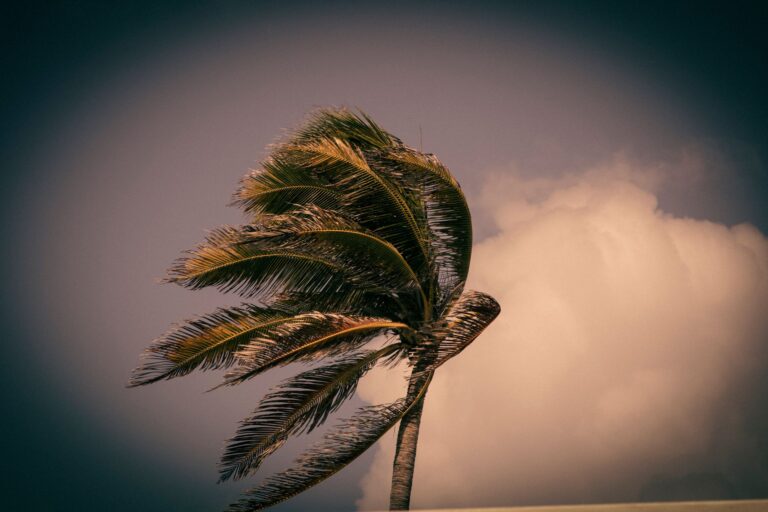
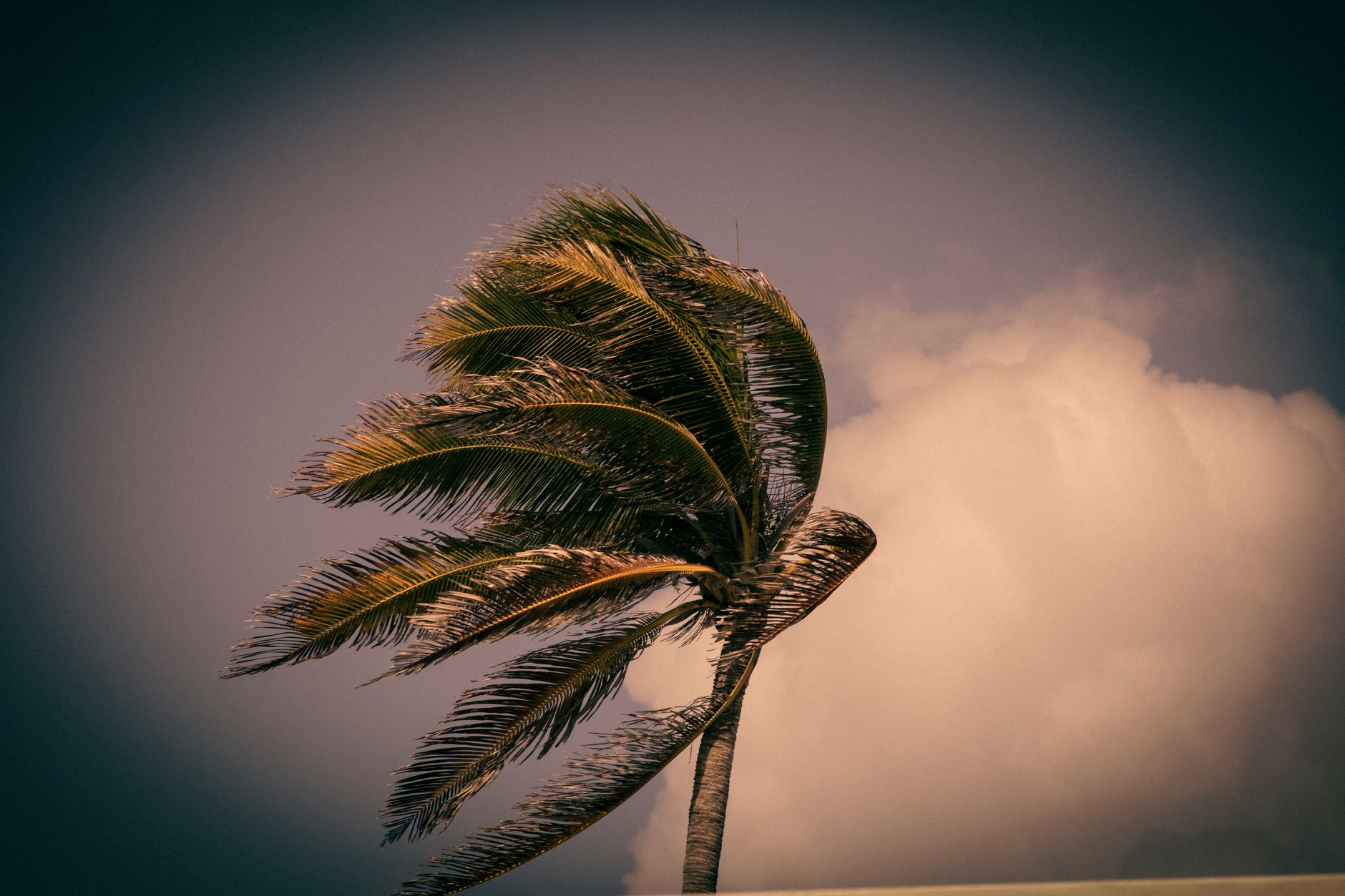
Featured image. Source: Pexels. Credit: Fernando Contreras. License: Pexels License.
Continue reading