


| IN A NUTSHELL |
|
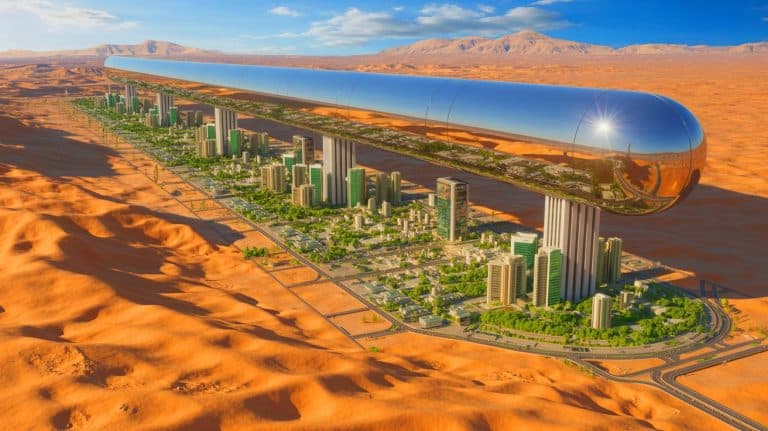
Saudi Arabia’s ambitious Line project has captured global attention with its futuristic vision of a mirrored skyscraper city stretching 105 miles across the desert. As a cornerstone of the kingdom’s strategy to pivot from an oil-dependent economy to one centered on tourism and technology, the Line represents a significant gamble. However, recent reports suggest that Saudi authorities are reassessing the project’s feasibility. This reevaluation may have profound implications, given the project’s scale and the substantial financial resources already invested. Concerns over spiraling costs and human rights issues have shadowed the project from the outset, raising questions about its ultimate viability.
The Ambitious Vision of the Line
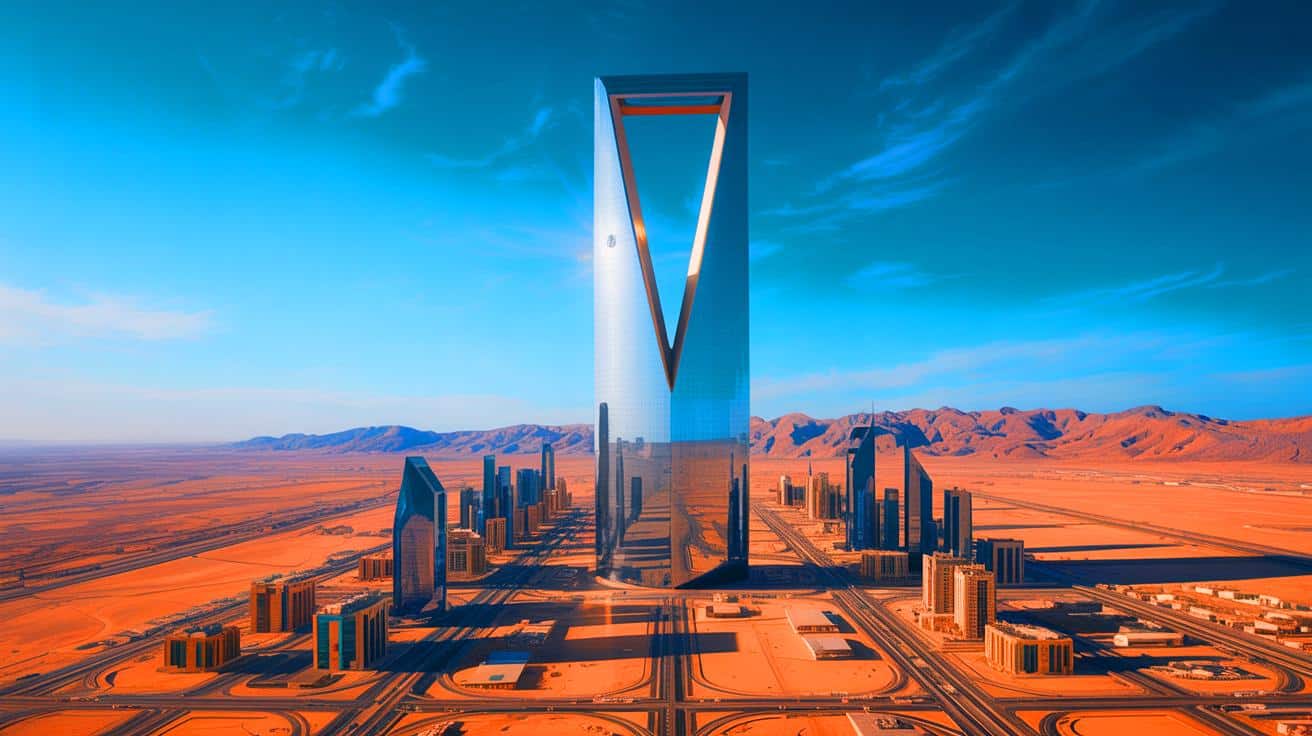
The Line is envisioned as a linear city, a bold reimagining of urban planning that stands in stark contrast to traditional urban sprawl. This ambitious project aims to house millions of residents within a confined space, reducing environmental impact and promoting sustainable living. The design includes two parallel mirrored skyscrapers with a desert oasis nestled between them. The structure’s mirrored exterior is intended to blend seamlessly with the desert landscape, creating an illusion of invisibility.
This grand vision is not merely architectural in nature. It forms a key component of Saudi Arabia’s Vision 2030 initiative, which seeks to diversify the nation’s economic portfolio beyond oil. By investing in tourism and technology, the kingdom aims to become a global hub for innovation and attract international investment. Yet, achieving this vision requires overcoming significant challenges, both technical and financial.
Financial Challenges Amidst Falling Oil Prices
Saudi Arabia’s recent economic landscape has been shaped by fluctuating oil prices, which have exerted pressure on the kingdom’s finances. As oil revenues constitute a substantial portion of the national budget, low oil prices have prompted the government to reassess large-scale projects like the Line. According to Bloomberg, this reassessment involves a strategic review of the project’s practicality and costs, conducted by consulting firms under the leadership of Neom’s new CEO, Aiman Al-Mudaifer.
The potential for cost-cutting measures is a focal point of this review. Options on the table include reducing the project’s height and length or reconsidering the mirrored facade. These decisions could significantly alter the project’s scope and feasibility. However, despite these challenges, the Saudi government may decide to proceed without changes, underscoring the project’s symbolic importance in the nation’s broader economic transformation strategy.
Human Rights Concerns and Criticisms
Beyond financial considerations, the Line has faced criticism over alleged human rights abuses. Reports have surfaced regarding the displacement of local communities to accommodate the project’s development. Human rights organizations have called for greater transparency and accountability in the construction process, urging the Saudi government to address these concerns promptly.
Critics argue that the rush to realize such grandiose projects often overlooks the social and ethical implications. The balance between economic development and human rights remains a contentious issue, with the Line serving as a focal point in this ongoing debate. As the project progresses, how Saudi Arabia addresses these criticisms will likely influence both domestic and international perceptions of its development agenda.
Implications for Saudi Arabia’s Future
The Line is not an isolated endeavor. It is part of a broader suite of megaprojects that includes the Mukaab, the JEC Tower, and tourism-centric developments like Treyam. These initiatives collectively aim to transform Saudi Arabia into a global destination for innovation and tourism. However, their success depends on overcoming the financial, technical, and social challenges they face.
As Saudi Arabia navigates this complex landscape, the outcomes of these projects will have lasting implications for the kingdom’s future. Success could position Saudi Arabia as a leader in sustainable urban development, while failure could undermine its economic diversification efforts. The reassessment of the Line, therefore, represents a critical juncture in Saudi Arabia’s ambitious transformation journey.
The reassessment of the Line project underscores the complexities inherent in realizing such an ambitious vision. As Saudi Arabia weighs its options, the world watches with keen interest. Will the kingdom’s ambitious projects redefine urban living and economic development, or will they falter under the weight of their own aspirations? The answer to this question may shape the future of urban planning and economic diversification in the region for decades to come.