

Why Dales hill farms are swapping sheep for cattle
One Dales farm cut its flock from over 800 ewes to 45 and says cattle pay better, while record lamb prices fail to stop the national decline.
 By
Ellis Marwood
In brief
- The UK now has 14.7 million breeding ewes, the lowest figure in living memory, according to the National Sheep Association.
- The national flock fell to 30.4 million sheep in 2025, a level last seen in the mid-20th Century.
- Average household purchases of sheep meat fell from 128g to 23g per person each week between 1980 and 2024.
- Sustainable Farming Incentive payments now favour cattle and ponies over sheep on English moorland.
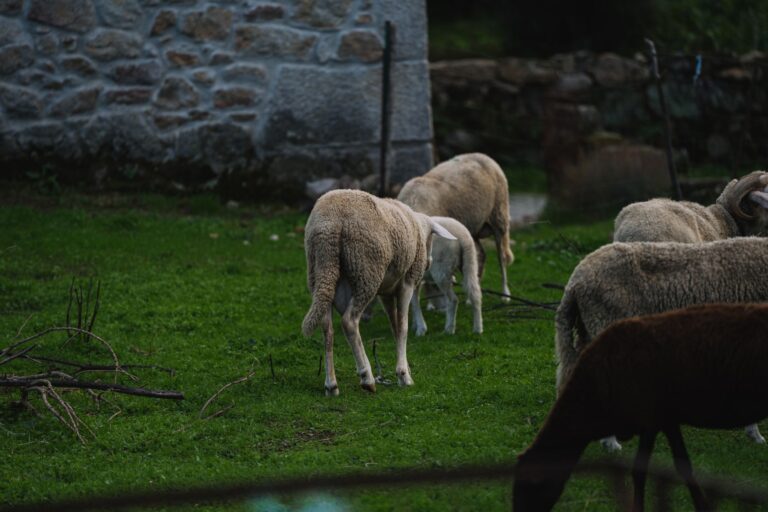
Neil Heseltine’s family has worked Hill Top Farm in Malhamdale, in the Yorkshire Dales, for four generations, and for most of that time sheep carried the business. Over roughly 20 years the 1,500-acre farm has dropped from a peak of more than 800 lambing sheep to 45 this spring. In their place he now keeps 300 cattle that graze outdoors all year, a change he says has made the farm more profitable and sharply reduced his working hours.
“I dread to think where the farm would have been financially had we not started to make those changes,” Heseltine told the BBC. In its BBC News report, the shift is described as one mirrored across the Dales and the wider British farming industry, even though most upland farmers still keep some sheep.
A flock back at mid-century levels
The mid-century comparison is less stark than it sounds, because the population was smaller then, and so was the potential market for home-reared lamb and mutton. Demand has also changed. Mutton is eaten far less than by earlier generations, and lamb has drifted from a weekly staple to a meat more often saved for special occasions, with chicken increasingly chosen instead.
The auction ring tells the same story. Jeremy Eaton, general manager of Craven Cattle Mart near Skipton, started in the trade 47 years ago and recalls sales that regularly handled 19,000 store lambs. “Now we’re fortunate if we get to 8,000 or 9,000.”
Squeezed from several sides
Hill farmers face a stack of pressures at once:
- An ageing workforce. The NFU puts the average British farmer at 60. Hayley Baines, a 39-year-old sheep farmer from Gisburn, says most of the generation at the mart is over 60, with few young people because “there’s better options”.
- Rising costs. A bale of hay averages £155 a tonne this spring, against £75 a tonne a year earlier, while fuel and other inputs have also climbed.
- Trade competition. Post-Brexit deals with New Zealand and Australia remove tariffs and grant large lamb quotas. Farmers and Compassion in World Farming worry that UK farms, bound by high welfare standards, may be undercut by partners that are not held to the same rules.
- Lower subsidy income. The NFU’s Matthew Cole says the move away from EU payments tied to livestock numbers or land area, towards schemes focused on farming for nature, has left many farmers with much less support.
Record prices, yet fewer flocks
The paradox is that scarcity has pushed money up. According to Becky Smith of the AHDB, the shrinking flock has driven strong growth in lamb prices, which hit record highs in 2024. Globally, an OECD and FAO report expects lamb consumption to rise 15% by 2032. Yet upland farmers on tight margins feel cost increases harder than most, so higher prices have not halted the retreat.
Policy is pulling in the same direction. The Sustainable Farming Incentive, updated last month, offers further payments to English farmers who graze moorland with cattle and ponies rather than sheep, on the grounds that this benefits biodiversity. Cattle graze less closely than sheep, which lets smaller plants flower. The Climate Change Committee has previously advised ministers to encourage people to eat less meat and dairy, and Peta’s Mimi Bekhechi welcomes the decline: “Fewer sheep means less suffering”, a view she puts forward as an animal welfare argument.
Not every farmer feels supported. James Foster, who has farmed beef and sheep on the Bolton Abbey Estate for 30 years, says: “I do believe the government don’t want us, but people have to eat and we just have to adapt with that.”
What governments say they are doing
Defra says an average of £2.3bn a year is going into its farming schemes in England, and that it is protecting farmers in trade negotiations and making supply chains fairer. In Scotland, the Holyrood government is also weighting subsidies towards environmental benefits. Its Sheep and Trees initiative aims to help farmers plant woodland without shrinking their flocks. After complaints that some schemes are hard to access, Agriculture Minister Jim Farlie has committed to reviewing certain projects, and farming bodies including NFU Scotland raised concerns at the start of this year about the size of the agricultural budget.
Photo: Diogo Miranda / Pexels