




| IN A NUTSHELL |
|
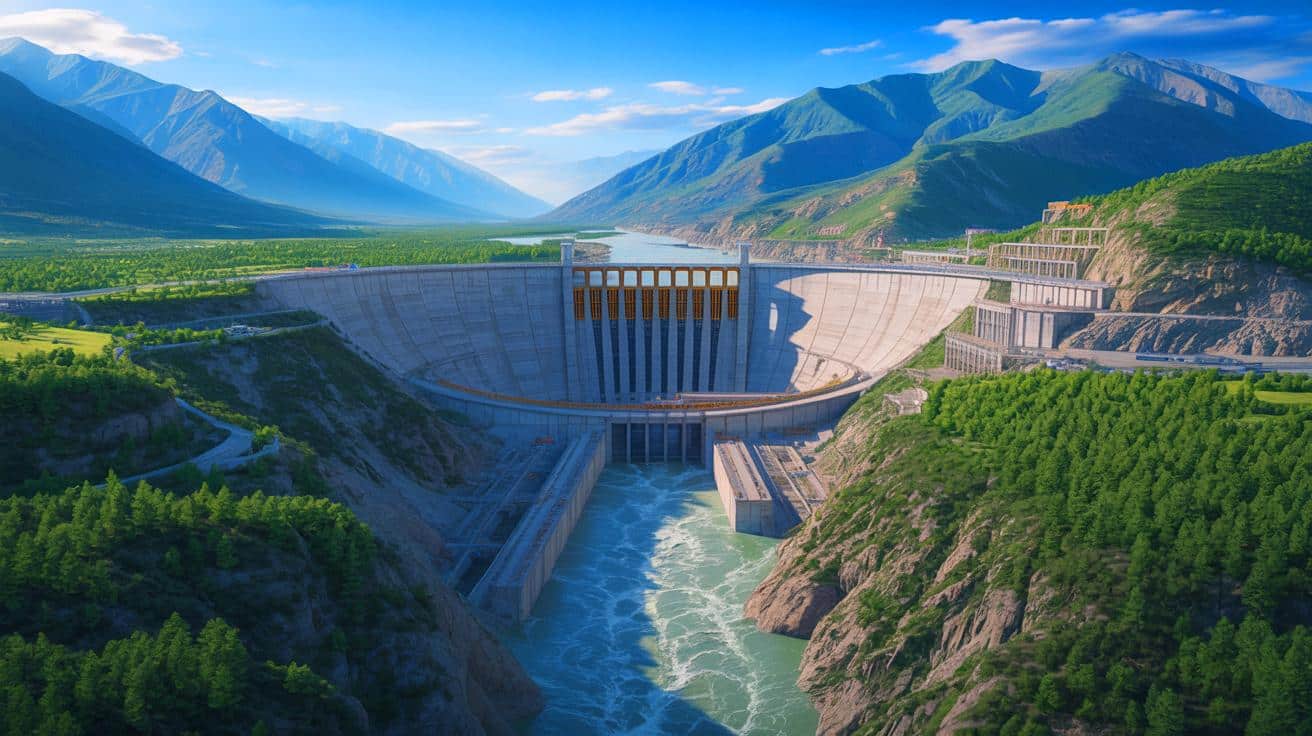
The announcement of China’s plan to build the largest hydroelectric dam in the world has captured global attention. This ambitious project is set to be constructed on the Yarlung Zangbo River in Tibet and promises to produce nearly triple the power of the current record-holder, the Three Gorges Dam. This development is part of China’s 14th Five-Year Plan, which aims to boost renewable energy and combat pollution. However, the enormous scale of the project, its location near the Indian border, and the environmental implications have sparked both interest and concern worldwide.
China’s Ambitious Energy Vision
China’s decision to construct a new hydroelectric dam is a testament to its commitment to renewable energy. The proposed dam on the Yarlung Zangbo River is expected to generate an astonishing 300 TWh annually. This is enough to supply energy to approximately 300 million people in China, significantly contributing to the country’s renewable energy targets.
The current champion of hydroelectric power, the Three Gorges Dam, produces between 95 and 112 TWh each year. The new project aims to surpass this by nearly threefold, marking a new era in China’s energy strategy. The project’s location in Tibet is strategic, taking advantage of the river’s steep geography to maximize hydropower potential. This initiative aligns with China’s broader environmental goals and its 14th Five-Year Plan.
The project’s scale and ambition highlight China’s leadership in renewable energy, a crucial step towards reducing reliance on fossil fuels. However, the geopolitical implications of such a massive undertaking are significant, particularly for neighboring countries like India.
Geopolitical Concerns and Potential Conflicts
The Yarlung Zangbo River, which becomes the Brahmaputra River when it enters India, is a vital water source for millions of people downstream. India’s concerns about China’s control over the river’s flow are understandable. The potential for altered water flow could impact agriculture, drinking water supplies, and ecological balance in the region.
China’s proposed dam could exacerbate existing tensions between the two countries. India fears that the dam might be used as a political tool, affecting water availability and security. In response, Indian authorities are closely monitoring the project and its potential impacts. This situation underscores the complex interplay of energy development and international relations.
While Chinese officials assert that thorough geological studies have been conducted, the lack of a set timeline for construction adds an element of uncertainty. The project’s success hinges not only on its engineering but also on diplomatic negotiations and environmental assessments.
Environmental and Geological Challenges
The Yarlung Zangbo River runs through one of the most seismically active regions in the world. The area is prone to earthquakes due to its location on tectonic plates, posing significant challenges for the dam’s construction. Additionally, the river’s steep drop and fast flow rate make the project both promising and perilous.
To harness the river’s hydropower potential, engineers plan to drill multiple tunnels to divert the river’s flow. This ambitious engineering feat must consider the river’s flow rate of approximately 70,600 cubic feet per second. The environmental impact of such a massive construction project in a fragile ecosystem is a significant concern.
While the potential for renewable energy is immense, the risks associated with building in such a volatile environment cannot be underestimated. Balancing the benefits of renewable energy with environmental preservation will be crucial for the project’s success and sustainability.
The Global Implications of China’s Project
The proposed dam is not just a national project; it has global implications. As the world grapples with climate change, the push for renewable energy resources is more urgent than ever. China’s leadership in this area could inspire other nations to invest in similar projects, advancing global renewable energy goals.
However, the geopolitical tensions and environmental risks associated with the dam highlight the complexities of large-scale renewable energy projects. The international community will be watching closely as China navigates these challenges.
The success of this project could redefine the future of energy production, but it also serves as a reminder of the delicate balance between technological advancement and environmental stewardship.
As China moves forward with its ambitious hydroelectric dam project, questions remain about the geopolitical, environmental, and social impacts. How can countries collaborate to ensure that renewable energy projects benefit all parties involved? Will this project set a precedent for future developments in renewable energy? The answers to these questions will shape the global discourse on sustainable energy production.


Wow, that’s a massive project! But how will it affect the local wildlife? 🐾
China’s taking renewable energy to the next level! Impressive! ⚡️
Why build it in such a seismically active area? 🤔
Are there any plans for international collaboration? 🌐
This is going to spark some serious geopolitical tension with India.
Hope this doesn’t turn into another Three Gorges Dam controversy! 😅
What about the people living near the river? Will they be displaced?
So much power! But at what environmental cost?
Thanks for the article! It’s an eye-opener on global energy strategies.
300 TWh is a lot, but how does it compare to solar or wind energy?
Can’t wait to see how this impacts global climate change efforts! 🌍