



| IN A NUTSHELL |
|
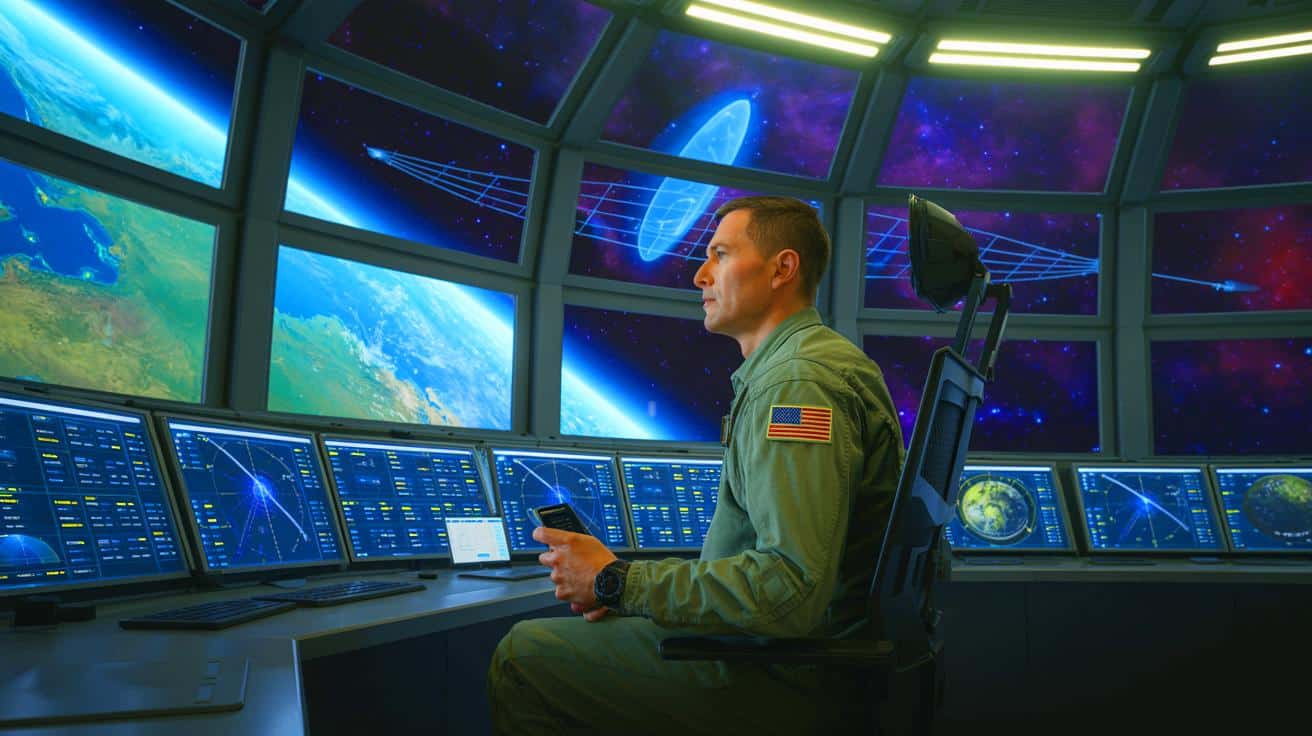
The rapid pace of modern satellite launches has transformed the space domain into a dynamic and, at times, unpredictable arena. With the increasing frequency of launches, primarily driven by commercial entities such as SpaceX, the task of monitoring and managing space traffic has grown significantly more complex. This responsibility falls largely on the shoulders of the U.S. Space Force’s Mission Delta 2, a unit deeply involved in tracking the approximately 50,000 objects currently orbiting the Earth. As geopolitical tensions rise, the stakes of space domain awareness become ever more critical, especially with launches from nations like China and Russia.
Challenges of Tracking Non-Cooperative Launches
One of the major challenges faced by the U.S. Space Force is dealing with non-cooperative launches. These are launches from countries like China and Russia, which often do not disclose specific details about the payloads and trajectories of their satellites. Such opacity raises concerns about the potential military applications of these satellites. Col. Raj Agrawal, the former commander of Mission Delta 2, highlights the anxiety these launches create among U.S. military operators, who must ensure that adversaries do not gain an advantage in space.
To prepare for these launches, the Space Force combines open-source information, such as airspace and maritime notices, with intelligence to predict when and where a launch might occur. Although similar to the methods used by hobbyists and space reporters, the Space Force benefits from access to classified intelligence, offering deeper insights into potential threats. Despite these efforts, the lack of transparency from countries like China and Russia continues to pose a significant challenge, as the U.S. must remain vigilant to protect its space assets.
Coordinating a Response to Potential Threats
In the event of a non-cooperative launch, the Space Force adopts a proactive stance, mobilizing its resources to monitor and respond to potential threats. This involves developing mission plans that involve multiple units within the Space Force and other branches of the military. These plans are crafted with the understanding that the launch could pose a threat, requiring a coordinated response to ensure national security.
Agrawal emphasizes the sophistication of these mission plans, which incorporate input from intelligence, missile warning, and satellite communications units. The plans are executed at a tactical level by trained personnel, often involving coordination with international partners. This comprehensive approach underscores the importance of maintaining robust space domain awareness to counter potential threats and ensure the safety of U.S. and allied space assets.
Innovations in Space Domain Awareness
Advancements in technology have significantly enhanced the Space Force’s ability to track and respond to satellite launches. The development of high-speed satellite communications and data processing capabilities has reduced the time required to assess and respond to launches from hours to mere minutes. This technological progress allows for quicker decision-making and more effective management of space resources.
The Space Force has also made strides in data fusion and processing, enabling more accurate predictions of satellite trajectories and behaviors. These improvements not only enhance the Space Force’s ability to protect its assets but also contribute to the broader goal of maintaining a secure and stable space environment. As the number of satellite launches continues to rise, these innovations will be crucial in ensuring effective space domain awareness.
Collaborating for a Safer Space Environment
To address the challenges posed by non-cooperative launches, the U.S. Space Force is actively seeking collaboration with international partners. By fostering agreements with other nations, the Space Force aims to promote transparency and cooperation in space operations. This collaborative approach helps mitigate the risks associated with non-cooperative launches and encourages responsible use of space resources.
Agrawal highlights the importance of these partnerships, noting that working together as allies and partners reduces the need for a heightened alert posture. By sharing data and coordinating efforts, the Space Force and its partners can better anticipate and respond to potential threats. This collaborative framework not only strengthens global space security but also promotes peaceful and cooperative exploration of space.
As the world continues to grapple with the complexities of space domain awareness, the role of the U.S. Space Force remains pivotal. Their efforts to track and manage satellite launches are critical to maintaining national security and ensuring the safety of space assets. The question remains: How will the international community continue to address these challenges and foster a secure and cooperative space environment for future generations?