

RAF Fairford: why the US moved its B-1 bombers and what it says about airbase defence
A full squadron of B-1 bombers left RAF Fairford on 4 October 2026 after a security scare near the Gloucestershire base. Washington gave differing reasons, London said the site was safe, and experts pointed to how hard airfields are to defend.
 By
Callum Fairbairn
By
Callum Fairbairn
In brief
- Some of the bombers left in such a hurry that tanker aircraft had to be sent up to refuel them on the way, the Guardian reported on 5 October 2026.
- Other officials indicated they had been kept out of the loop on American thinking, while the Ministry of Defence and Gloucestershire Police both declined to say whether residents faced any additional risk.
- A man who said he had watched bombs being loaded onto aircraft from his back garden recalled seeing the jets take off “one, after another, after another” on 4 October.
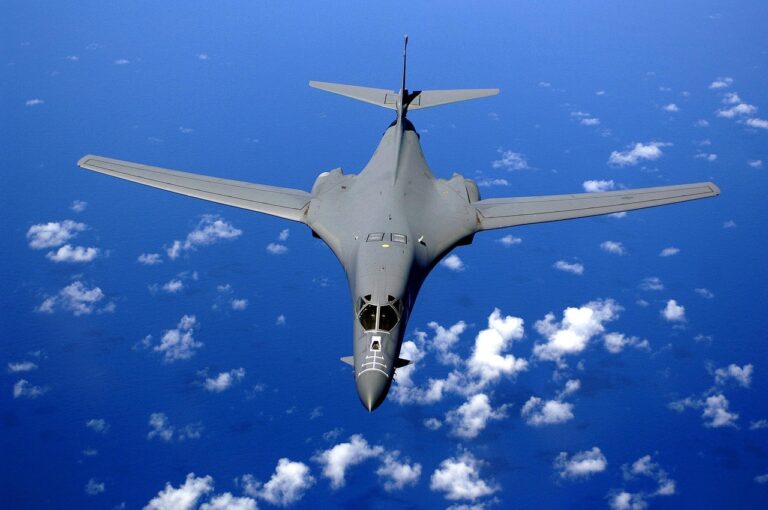
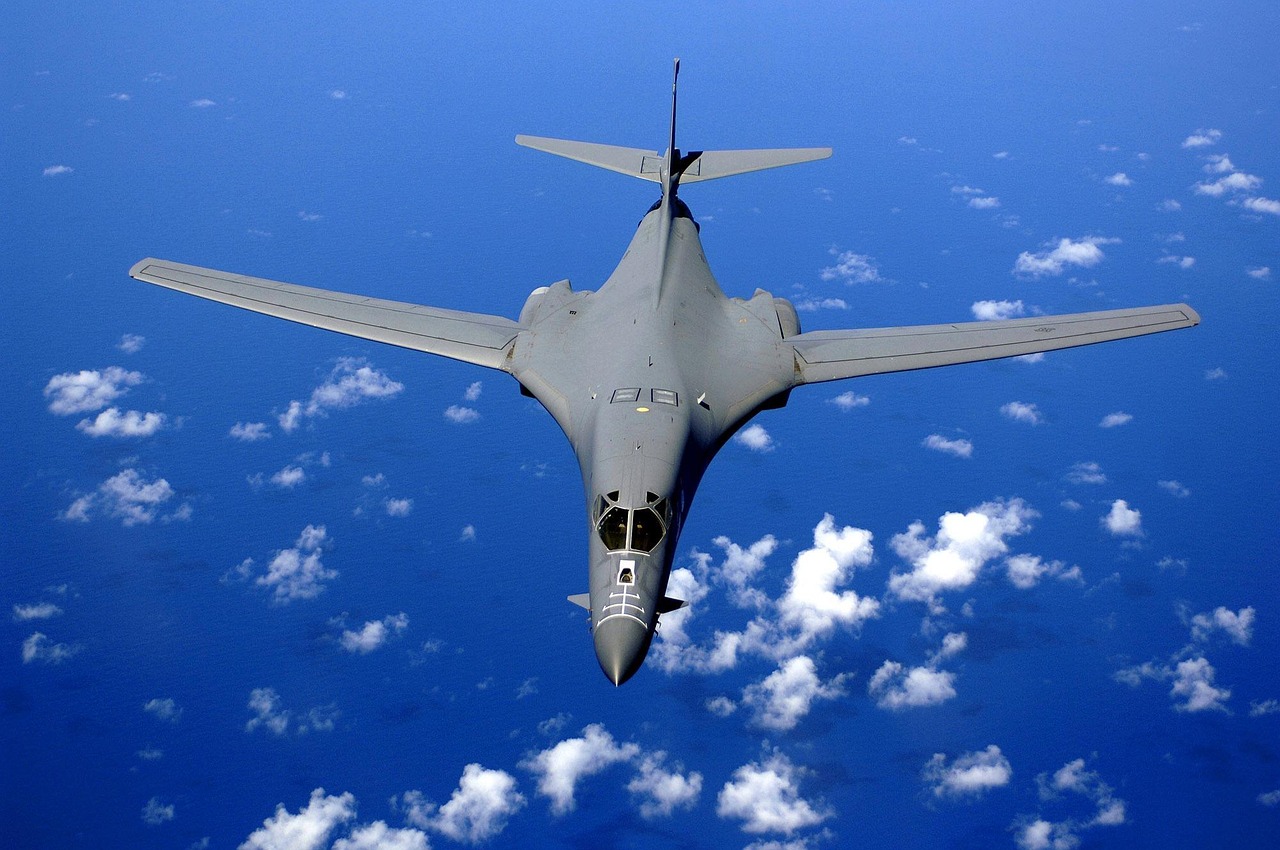
On Sunday 4 October 2026, the United States pulled a full squadron of 12 B-1 bombers out of RAF Fairford, the Gloucestershire airfield near the village of Whelford that American crews have used as a forward base for decades. Aircraft trackers followed the jets as they headed back across the Atlantic, and the Pentagon confirmed the move that evening. Some of the bombers left in such a hurry that tanker aircraft had to be sent up to refuel them on the way, the Guardian reported on 5 October 2026.
Downing Street responded on Monday 5 October. Asked whether the base was safe, the prime minister’s spokesperson simply answered “yes” and declined to discuss what other countries’ armed forces were doing. He pointed to an earlier remark by Defence Secretary Wes Streeting, who had spoken of “tried and tested approaches” to protecting British bases at home and abroad, according to the BBC’s report on the withdrawal.
What happened near the base
The withdrawal followed an incident on 27 September 2026, when officers received reports of three “suspicious vehicles” close to the airfield. Five men from London, who had driven white vans to Whelford, were detained late at night on suspicion of carrying explosives. According to the Guardian, searches of the vans and of the men turned up no explosive device, only a barrel of petrol, and all five were freed on bail the next day without being charged. Another man, who holds both British and Iranian nationality, was later held in London on suspicion of planning terrorist acts and was also bailed. Counter-terrorism police said their inquiries were continuing. Donald Trump later said he was surprised the five had been let out on bail, insisting that Washington knew everything about them.
Washington’s shifting explanations
The American account of the decision did not stay the same. On 5 October 2026 the New York Times, citing two US officials, reported that US commanders had been given fresh intelligence pointing to a plot, backed by Iran, against the base. The paper said this belonged to a stream of warnings that had started about three weeks earlier, and that officials moved fast once specific details surfaced within a single day. A report on ITV News said US planners feared an attack by several drones at once.
Vice President JD Vance put the decision down to an “abundance of caution” and said Washington believed Iran was continuing what he described as decades of terrorism against the US and others. Donald Trump spoke of “some threats” without describing them and said the bombers had been shifted around, “not very far”. Secretary of State Marco Rubio, for his part, said he would not link the move to the arrests near Fairford, described such repositioning of aircraft as a normal part of exercises and rotations, and said the US had full trust in how its bases were protected and in British cooperation. In the days after the incident, Rubio had told Fox News that it showed the hand of a foreign actor, without going further.
London’s reading
On the British side, Whitehall sources did not contest that the move was a response to the Gloucestershire incident. The BBC was told the choice was military rather than political, made at an operational level and passed on by the American armed forces to their UK counterparts. British sources quoted by the Guardian said they knew of no fresh terrorist threat against the base and doubted Iran could mount another attack. Other officials indicated they had been kept out of the loop on American thinking, while the Ministry of Defence and Gloucestershire Police both declined to say whether residents faced any additional risk.
Prime Minister Andy Burnham said in the days after the incident that there were “strong indications” of an Iranian role, without giving details. Tehran has firmly rejected any involvement. In July 2026, Iran warned that any base involved in aggression against its territory would be a legitimate target for its forces, and its Islamic Revolutionary Guard Corps singled out Fairford in those terms.
Why airfields are hard to protect
The episode turned attention to how exposed parked aircraft can be. According to ITV News, as relayed by the Guardian, US planners had in mind a swarm attack along the lines of Ukraine’s Operation Spiderweb, in which inexpensive drones released from lorries wrecked 10 Russian bombers in a coordinated strike in June 2025.

British sources were sceptical that Iran could organise something so complex 2,700 miles from home, the Guardian added, noting that the Ukrainian operation reportedly took around 18 months to prepare. Still, Iran had managed to destroy an American Awacs radar aircraft on the ground during the fighting of March 2026. Missiles launched from Iran might be able to reach Britain, but they would probably be intercepted first, and a drone operation near the airfield would be risky for anyone attempting it.
Experts urged caution in reading the signals. Matthew Savill of the Royal United Services Institute said airfields are difficult to defend, but suggested Washington might also be sending a message or simply acting with great care. Ezra Cohen, a defence official during Trump’s first term, called the decision “prudent” when speaking on the Today programme on BBC Radio 4. He stressed that the B-1 is no longer manufactured, that only a limited fleet exists, and that the US would shield such a strategic asset from every kind of threat.
What the withdrawal changes
Technically, the US can still carry out precision strikes straight from American soil without a British base, as it did with Operation Midnight Hammer in 2025. But giving up Fairford deprives it of a foothold outside continental Europe. Earlier in 2026, B-1 and B-52 bombers had flown from the Gloucestershire base towards the Middle East, once London had approved an American request to operate from it for what were described as defensive strikes against Iran.
The Guardian suggested the hasty departure could be read as a win for Tehran, obtained without any attack taking place. Some experts quoted by the paper instead saw it as part of a broader repositioning that could precede a step-up in American action against Iran once the November 2026 midterm elections in the US are over.
For James MacCleary, who speaks on defence for the Liberal Democrats, the withdrawal was “deeply concerning”. He called on the government to set out how it would make sure British military bases are “fit for purpose”.
Around the base itself, the mood was different. Residents told the BBC they were relieved. One woman described herself as “thrilled”, pointing to the noise and to a growing sense of vulnerability in the weeks before the departure. A man who said he had watched bombs being loaded onto aircraft from his back garden recalled seeing the jets take off “one, after another, after another” on 4 October.
The episode leaves two accounts side by side: in Washington, a threat judged serious enough to move a fleet of aircraft that are no longer built; in London, a base described as safe and an investigation that had produced no charges by early October 2026.
Featured image. Source: Pixabay. Credit: WikiImages. License: Pixabay Content License.