



Digital content creators gain a clearer role in the UK screen economy
A ScreenSkills and BBC study highlights closer links between digital creators, film and television, while setting out the broad skills and support challenges shaping the sector.
 By
Callum Fairbairn
By
Callum Fairbairn
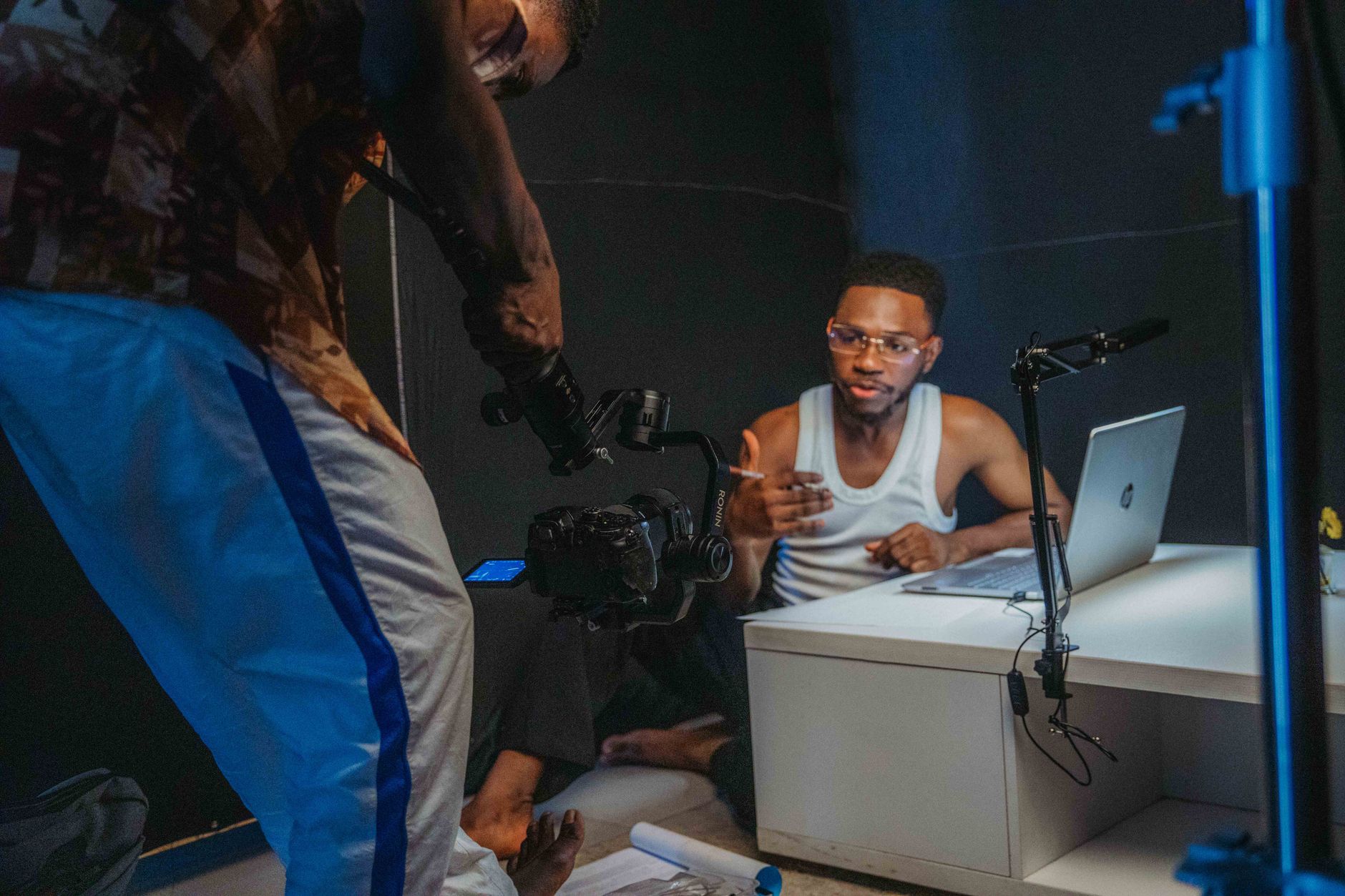
Digital content creators have become a more visible part of the UK’s screen and creative economy, but a new study argues that their routes into work, training and business growth do not always align with those of film and television. The research, jointly published by ScreenSkills and the BBC, identifies growing overlap between the creator community and established screen industries, alongside practical barriers to moving between them.
In brief
- ScreenSkills and the BBC have published a study of opportunities and challenges in the UK digital content creator sector.
- The research identifies growing convergence between creator work and film and television production.
- It finds that creators often develop skills through practice-based learning and peer mentoring.
- The study says legal, intellectual property, financial and employment-management knowledge becomes more important as creator businesses grow.
The study, Creator Skills: Progression, Provision and Priorities, was conducted by Creative Industries consultancy Olsberg•SPI through engagement with digital content creators and UK screen-industry representatives. Its central finding is not that the sectors have become identical, but that they increasingly share creative and technical foundations while applying them in different working settings.
That matters within an economy where the creative industries have a substantial established footprint. The UK government’s Creative Industries Sector Vision states that the wider sector generated £108 billion in economic value in 2021 and employed 2.3 million people that year. Against that backdrop, the new research places creator work within a broader discussion about skills, career progression and the structure of screen production.
Creator work and screen production are moving closer together
The report describes a growing convergence between film and television and the digital creator community. It says there is a need to support transitions in both directions: creators moving into film and television work, and screen professionals moving into digital-first production.
This is a more specific question than whether online content belongs in the creative economy. The study focuses on how skills compare across the sectors and on the conditions that allow people to use those skills in a different production environment. Video recording, editing and storytelling may be familiar across creator, film and television work, but the report notes that shared capabilities can be used differently in practice.

For creators, digital platforms can lower the geographical barrier to entering a career across the UK’s nations and regions when compared with television and film. Yet the study also says that access to film and television entry networks can still be weighted towards London and larger cities. The result is a mixed picture: online publishing may widen the routes through which work begins, while access to some established screen networks remains uneven.
The relationship also has an economic dimension. Lisa Opie, Executive Chair of ScreenSkills, said the digital content creator sector contributes more than £2.2 billion to UK GDP and supports thousands of jobs. The figure is presented in the study coverage without a stated period or calculation method, so it should be understood as an indication of the sector’s reported significance rather than a directly comparable annual measure.
Within the wider UK economy, the report therefore draws attention to a segment of screen work whose development depends not only on creative output, but also on how people gain skills, form teams and manage growing businesses.
Informal learning remains central to creator careers
One of the study’s clearest findings concerns how creators learn. Many acquire skills through informal, practice-based learning and peer mentoring rather than through formal training. That route reflects the pace and accessibility of digital publishing, where individuals can build experience by making work, responding to audiences and learning from other creators.
Informal learning does not mean that the skill set is narrow. The report identifies a combination of creative, business, technical and transversal abilities. Technical production skills, including video recording and editing, are described as fundamental. But it also highlights platform literacy, storytelling, two-way communication with audiences and resilience as important factors that distinguish successful creators.
This framing avoids treating creators as a single type of professional. The skills required can change with the kind of content produced, the platform used and the scale of the operation. The study does not say that every creator must master every skill it lists. Instead, it identifies the range of capabilities that the sector may draw upon as careers and businesses develop.

It also points to pressures that extend beyond production itself. Online safety, harassment, isolation and wellbeing pressures are described as major challenges to sustaining creator careers, particularly where audience growth is rapid and support structures are not in place. These issues sit alongside commercial and technical concerns, rather than outside them.
Business and rights knowledge grows in importance as operations expand
The report finds that legal, intellectual property, financial and employment-management skills become more important when creators scale their activity. The transition can involve commercial partnerships, the hiring of teams or efforts to protect original formats. In those circumstances, the work of creating content becomes connected to decisions about rights, finances and employment.
Protecting original formats and managing commercial relationships are among the areas highlighted as creator businesses grow. The finding is significant because it places business knowledge alongside creative and technical ability, rather than treating it as a separate concern to be addressed only by larger production companies.
The study also considers how the film and television industry, creator-sector bodies and government can convene to support the UK creator sector as it progresses, scales and builds sustainable creative content businesses. It does not set out a specific new training programme or identify the measures that government will take. Its contribution is instead to define the areas where support and cross-sector understanding are needed.
For the screen sector, the immediate change is one of clearer recognition. Digital content creators are being examined not simply as platform users, but as participants in a screen economy with overlapping skills, distinct working conditions and increasingly important business needs. The study’s emphasis on transitions suggests that future discussions of talent and training will need to account for both sides of that relationship.
Featured image. Source: Pexels. Credit: Gists And Thrills Studios. License: Pexels License.