




| IN A NUTSHELL |
|
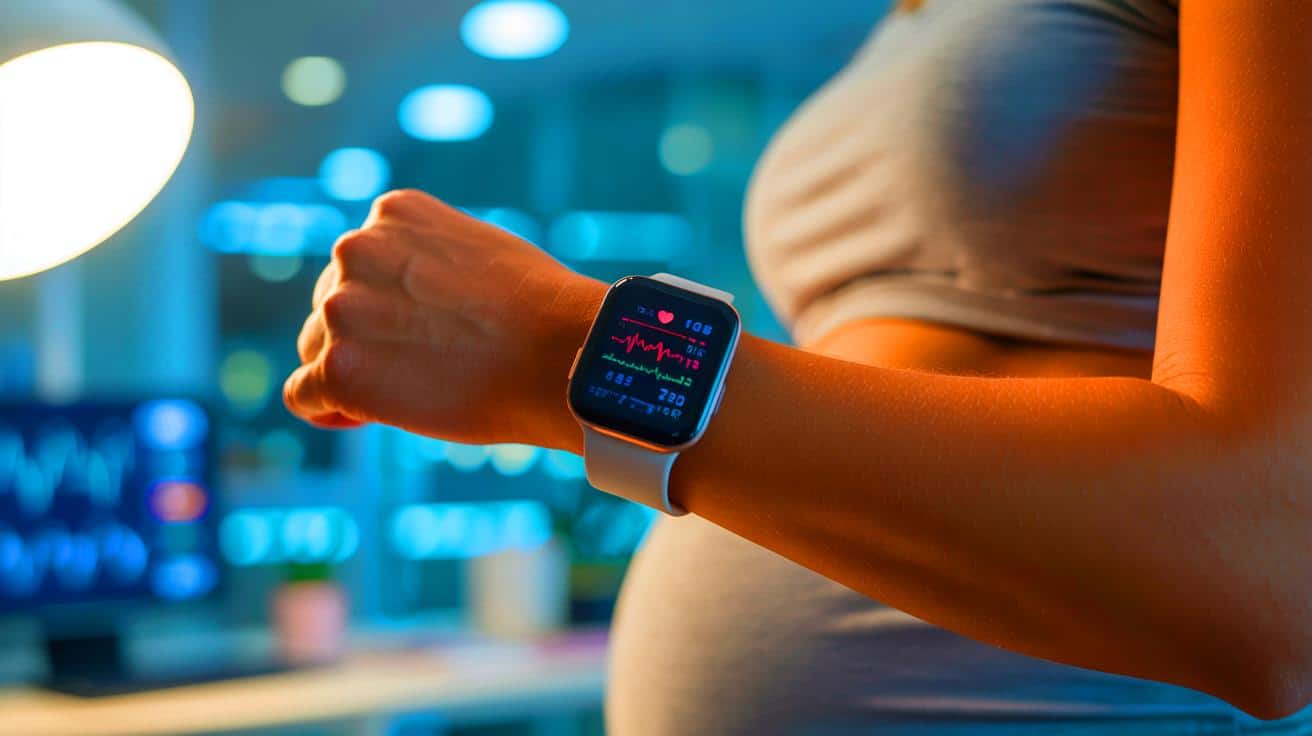
In recent years, wearable technology has emerged as a promising tool in the health care sector, with applications extending beyond fitness and wellness into more critical areas such as pregnancy monitoring. This development is particularly significant given the ongoing challenges associated with pregnancy complications, such as miscarriage and preterm birth, which pose substantial risks to both mothers and their children. A recent study published in Lancet eBioMedicine suggests that devices like Apple watches and fitness trackers could revolutionize prenatal care by providing continuous monitoring of physiological changes throughout pregnancy. With more than 41.2 million women in the U.S. owning such devices, this innovation could bridge the gap in maternal care, especially in areas with limited access to obstetric services.
Understanding the Potential of Wearable Technology
Wearable devices offer a unique opportunity to address the high rates of adverse pregnancy outcomes in the United States. By collecting and analyzing data from various physiological parameters, these devices can provide insights into the progression of a pregnancy. Researchers from Scripps Research conducted a study involving 5,600 participants, including 108 women who provided detailed health information three months before conception and six months postpartum. The study monitored heart rate, sleep, and activity levels to identify patterns associated with key pregnancy hormones such as estrogen, progesterone, and human chorionic gonadotropin (hCG).
The findings revealed compelling correlations between heart rate data and hormonal fluctuations. For example, heart rates showed a decrease around weeks five to nine of pregnancy, followed by a steady increase, peaking at up to 9.4 beats per minute above pre-pregnancy levels before birth. Postpartum, heart rates dropped below baseline levels and stabilized around six months after delivery. These patterns were validated against existing hormone-level data from previous pregnancy studies, suggesting that wearables might play a crucial role in prenatal care.
Hormonal Insights from Heart Rate Monitoring
The association between heart rate and hormonal changes offers new avenues for predicting pregnancy outcomes. According to co-senior author Tolúwalàṣẹ Àjàyí, understanding these relationships could lead to the early detection of adverse outcomes like gestational diabetes or preeclampsia. The study also noted that in pregnancies ending in miscarriage or stillbirth, heart rate patterns differed significantly from those of healthy pregnancies, underscoring the potential for wearables to signal early warning signs.
While these findings are promising, further research is needed to confirm the reliability of wearable technology in prenatal care. Researchers are planning to expand their analysis to consider demographic, socioeconomic, and geographical factors, aiming to personalize pregnancy care. The ultimate goal is to determine whether wearable devices can support clinical decision-making by providing continuous monitoring and early detection, potentially reducing the need for in-person visits and enhancing the accessibility of care.
Bridging Maternal Care Gaps
One of the most significant advantages of wearable technology is its potential to fill gaps in maternal care, particularly in “maternal care deserts” where access to obstetric services is limited. With 24% of women in the U.S. owning a smartwatch, these devices could become valuable tools in ensuring that expectant mothers receive the necessary monitoring and support throughout their pregnancies. By transforming consumer technology into medical monitoring tools, wearable devices can provide continuous oversight, allowing for the timely identification of potential complications.
Senior author Giulia Milan noted that future studies must investigate whether physiological changes captured by wearables could inform clinical decisions and improve patient outcomes. The integration of wearable technology into prenatal care could lead to more personalized and effective approaches to managing pregnancies, ultimately reducing the risks associated with complications.
Future Directions and Considerations
As the use of wearable devices in health care continues to evolve, researchers and medical professionals must consider various factors that could influence their effectiveness in prenatal care. While the current study offers valuable insights, larger-scale research is necessary to validate these findings and explore the potential limitations of wearable technology. Additionally, the adoption of wearables in clinical settings may require changes in health care policies and practices to ensure data accuracy, privacy, and security.
As the landscape of maternal care evolves, wearable technology stands out as a promising solution to some of the most pressing challenges. However, the question remains: how can we ensure that these innovations are accessible and reliable for all women, particularly those in underserved communities?