



| IN A NUTSHELL |
|
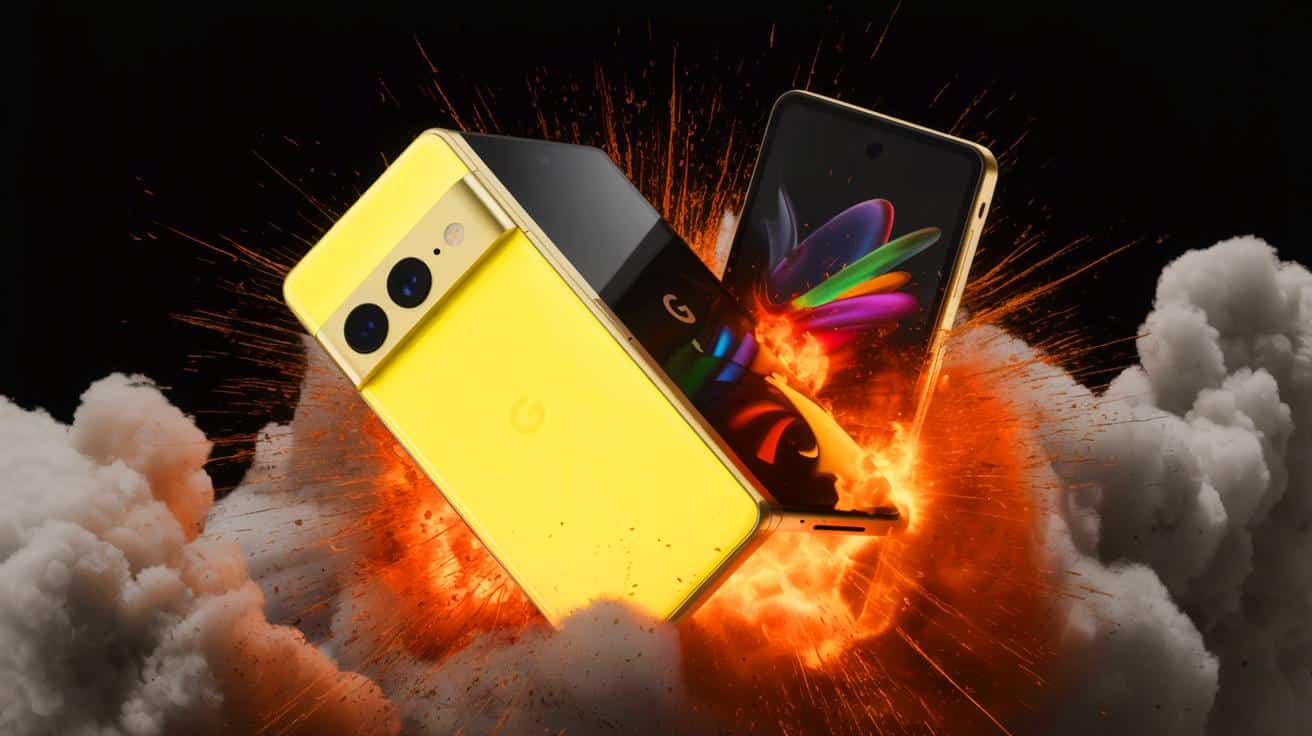
In the ever-evolving landscape of technology, durability remains a key concern for consumers, especially as devices become more complex and feature-rich. Google’s Pixel 10 Pro Fold recently became a focal point in this ongoing conversation when it failed dramatically during a widely-viewed durability test on YouTube. What should have been a routine assessment turned into an explosive spectacle, quite literally, as the phone became the first device to ignite during a test conducted by Zack Nelson, known as JerryRigEverything. This incident raises serious questions about the true resilience of modern technological advancements and whether manufacturers are keeping pace with their own ambitious claims.
Challenges in Foldable Phone Durability
Foldable phones have been hailed as the future of mobile technology, combining the convenience of a smartphone with the expanded functionality of a tablet. However, the transition from concept to consumer-ready product has not been without its hurdles. The Google Pixel 10 Pro Fold’s recent failure highlights these challenges. Despite being advertised with strong materials like Gorilla Glass Victus 2 and having an IP68 rating for dust and water resistance, the device showed significant vulnerabilities during stress tests.
The phone’s inner screen, protected by a soft polymer layer, easily sustained scratches, revealing weaknesses that may concern potential buyers. Although the polymer is designed to withstand folding, it failed to protect the device from everyday hazards. The hinge, a critical component in foldable technology, also faltered when exposed to sand, casting doubt on the phone’s advertised resilience.
Catastrophic Bend Test and Explosion
The Pixel 10 Pro Fold’s failure reached a climax during the bend test. Despite Google’s claims that its hinge can endure long-term use, the device snapped when pressure was applied in the opposite direction. This breakage occurred not at the hinge itself, but along antenna lines on the left side, a recurring weak spot identified in previous Google models. This oversight proved costly when the battery subsequently caught fire, an unprecedented event in the tester’s history.
Nelson’s analysis pointed to a short circuit caused by the pinched antenna lines, which led to a thermal reaction and the battery’s explosion. The incident not only damaged Google’s reputation but also underscored the risks associated with ignoring known design flaws. The incident serves as a cautionary tale for manufacturers in the tech industry, emphasizing the need for rigorous testing and innovation in product design.
Google’s Durability Claims Questioned
The incident has reignited debate over Google’s durability claims. Nelson’s teardown revealed that certain expectations set by the company, such as the existence of an under-display camera, were misleading. Instead, the sensor was merely a proximity and light sensor, which paled in comparison to the marketing narrative.
“By far the weakest folding phone I’ve ever tested,” Nelson declared, criticizing Google for overstating the device’s robustness.
With each iteration of its foldable phone line, Google has faced scrutiny for failing to address known structural issues. The Pixel 10 Pro Fold’s catastrophic failure, including the explosive incident, has intensified calls for the company to reassess its design and durability strategies. These events highlight the gap between consumer expectations shaped by marketing and the real-world performance of high-tech gadgets.
Implications for Future Foldable Devices
This incident compels the tech industry to reconsider the trajectory of foldable devices. As companies push the boundaries of design and functionality, ensuring safety and reliability must remain a priority. The Pixel 10 Pro Fold’s failure is a stark reminder that while innovation is critical, it should not come at the cost of consumer safety or product integrity.
Manufacturers must learn from such missteps to deliver products that not only meet but exceed the durability standards set by their predecessors. The balance between cutting-edge features and reliable performance will define the success of future devices in this competitive market.
As we look to the future, the question remains: will manufacturers take these lessons to heart and improve their designs, or are we destined to see more high-profile failures in the race to innovate? The tech world watches closely, eager to see how this dynamic industry will navigate the challenges of modern gadgetry.