



| IN A NUTSHELL |
|
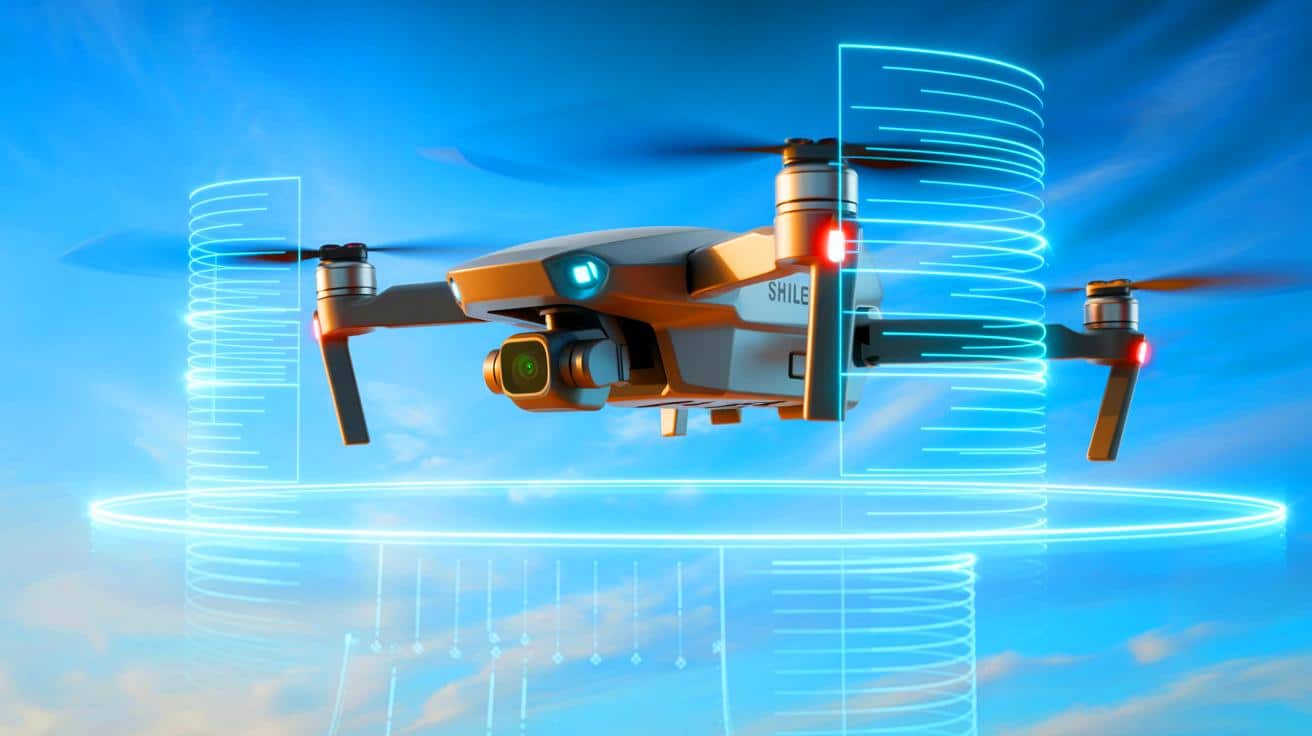
In an era where drones are becoming ubiquitous, their vulnerability to cyberattacks has emerged as a critical concern. The potential for these machines to be hijacked and used maliciously poses threats not only to the industries that rely on them but also to public safety. Addressing this pressing issue, researchers at Florida International University (FIU) have developed an innovative system called SHIELD. This real-time defense mechanism helps drones recover from cyber hijacks while still airborne. By providing a comprehensive approach to drone security, SHIELD could become a cornerstone in ensuring the safe expansion of drone technology across various sectors.
Understanding the Threat: Why Traditional Defenses Fail
Traditional defenses for drones primarily focus on navigation sensors designed to prevent collisions and guide flight paths. However, these sensors are susceptible to manipulation. One of the most common attacks, GPS spoofing, involves hackers transmitting false location data to mislead drones into flying off course. Such vulnerabilities highlight the limitations of sensor-based defenses.
Advanced cyberattacks bypass these sensors entirely, targeting a drone’s internal systems with malware. Muneeba Asif, a Ph.D. candidate at FIU, explained the shortcomings of relying solely on sensors: “A detection and recovery system that only considers sensors misses the bigger picture. It remains blind to other attacks occurring across the system at different levels.”
SHIELD addresses these shortcomings by monitoring a drone’s entire control system, including its hardware. It detects malicious activity through signs like battery fluctuations or an overworked processor. Using machine learning models, SHIELD recognizes attack patterns, detecting cyberattacks in an average of 0.21 seconds and initiating recovery in 0.36 seconds. This comprehensive approach allows SHIELD to catch attacks before they cause significant damage.
SHIELD: A New Era in Drone Defense
SHIELD represents a paradigm shift in drone defense technology. Unlike existing methods that focus mainly on software, SHIELD monitors both software and hardware for signs of attack. Once an anomaly is detected, it identifies the type of attack and triggers a recovery plan to restore normal operations. This capability is crucial for drones to complete their missions even under attack.
Lead researcher Mohammad Ashiqur Rahman emphasized the importance of recovery mechanisms: “Without robust recovery mechanisms, a drone cannot complete its mission under attacks because even if it is possible to detect the attacks, the mission often gets terminated as a fail-safe move.” The SHIELD framework allows drones to recover and continue their missions, ensuring that their utility is not compromised by cyber threats.
The FIU research team has likened this approach to how doctors diagnose patients. Just as a single symptom may not reveal the full extent of an illness, sensor data alone cannot always identify cyber threats. Instead, deeper physical evidence provides a more accurate diagnosis, allowing SHIELD to address each attack with a tailored response.
Securing the Future of Flight
The demand for reliable drone defense systems is increasing as the Federal Aviation Administration proposes expanding drone use across industries. From deliveries to agriculture and disaster response, drones are expected to operate in sensitive environments where security breaches could have significant repercussions.
Rahman expressed optimism about the potential of SHIELD to contribute to the industry’s growth: “Reliable and secure drones are the key to unlocking future advancements. It’s our hope this work can play a role in moving the industry forward.” By empowering drones to detect, react, and recover from cyberattacks, SHIELD could play a pivotal role in ensuring safer skies.
The research findings were presented at the IEEE/IFIP International Conference on Dependable Systems and Networks, a leading event in cybersecurity research. This recognition underscores the significance of SHIELD’s contributions to advancing drone security technologies.
Implications for Industry and Regulation
The introduction of SHIELD has implications not only for drone manufacturers and operators but also for regulatory bodies. As drones become more integrated into various industries, ensuring their security becomes paramount to protect public safety and maintain trust in the technology. SHIELD’s ability to provide real-time detection and recovery from cyberattacks makes it a valuable tool for industries that depend on drones for critical operations.
Moreover, SHIELD’s development highlights the need for regulatory frameworks that mandate comprehensive security measures for drones. As more drones take to the skies, regulators must ensure that robust security systems like SHIELD are in place to prevent potential cyber threats. This proactive approach is essential to safeguard the growing drone ecosystem.
With SHIELD offering a promising solution to the threat of drone hijacking, the next step lies in its widespread adoption and integration into existing drone systems. How will industries and regulatory bodies respond to the challenges and opportunities presented by this groundbreaking technology? The future of drone security depends on the answers to these critical questions.