




| IN A NUTSHELL |
|
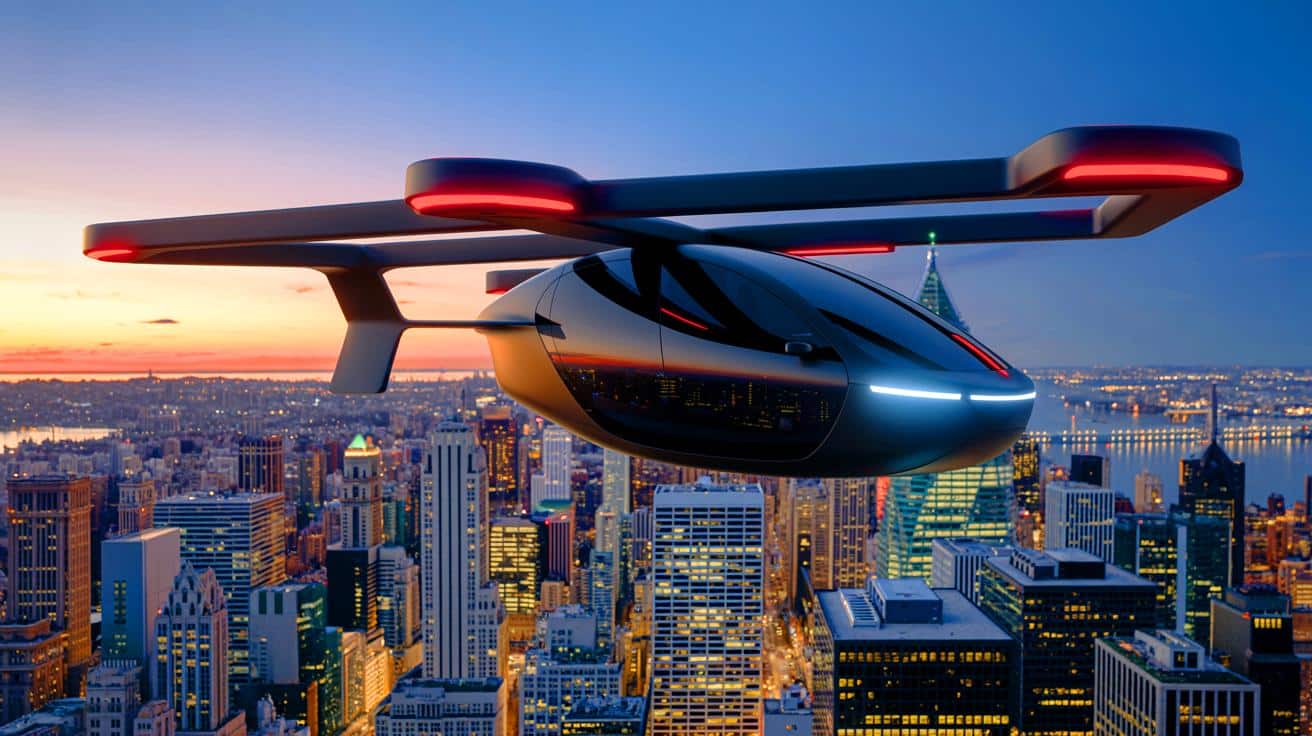
The era of flying cars, a concept once relegated to science fiction, is gradually materializing with the advent of vehicles like China’s GAC Group’s Govy AirCab. This all-electric flying car represents a significant leap in urban transportation, promising to redefine how we navigate cities. While the initial price of approximately $233,000 may seem steep, the potential benefits could justify the cost. This article delves into the groundbreaking features of the AirCab and its implications for the future of travel.
Revolutionizing Urban Travel
The Govy AirCab, a two-seater electric vertical take-off and landing (eVTOL) vehicle, is poised to transform urban transportation. Unlike traditional cars, the AirCab is designed for short-distance flights within cities, capable of traveling nearly 19 miles on a single charge. This makes it an ideal solution for quick commutes or avoiding traffic congestion in densely populated areas. The vehicle’s ability to charge rapidly further enhances its practicality, allowing for frequent use throughout the day.
As urban areas continue to grow and traffic becomes increasingly burdensome, solutions like the AirCab are gaining traction. The vehicle’s lightweight carbon fiber construction and high-density batteries enable efficient energy consumption and performance. The AirCab’s introduction into the market marks a significant step toward integrating flying cars into everyday transportation, promising to alleviate some of the challenges faced by traditional ground vehicles.
Will “Recycled EV Batteries” Save the Planet or Fuel This New Environmental Nightmare?
Cutting-Edge Technology and Features
The Govy AirCab is equipped with state-of-the-art technology that sets it apart from conventional vehicles. The inclusion of 5G connectivity, voice assistants, and cloud-based smart features ensures that passengers remain connected and informed during their flights. Advanced controls for temperature, music, and even scent provide a customized and comfortable travel experience.
One of the most remarkable features of the AirCab is its Level 4 ground autonomy technology. This allows the vehicle to operate independently under specific conditions, enhancing safety and convenience for passengers. In the event of an emergency, the passenger cab can detach, adding an extra layer of security. These technological advancements underscore the AirCab’s potential to revolutionize personal and commercial transportation, making it a leader in the emerging market of flying cars.
The Economic Potential of Low-Altitude Travel
The concept of a “low-altitude economy,” as introduced by GAC, refers to the burgeoning market for air taxis and small, private aircraft. This sector is anticipated to grow substantially, with projections estimating a market value of $9 trillion by 2050, according to Morgan Stanley. This growth is driven by the increasing demand for efficient, environmentally friendly transportation solutions.
The AirCab’s entry into this market places GAC at the forefront of innovation in the transportation industry. Other companies, including Virgin Atlantic, Joby Aviation, and Beta Technologies, are also exploring similar technologies, indicating a broad interest in the potential of flying cars. As this market expands, the AirCab and similar vehicles could become commonplace, offering new opportunities for businesses and consumers alike.
EV Battery Recycling: “This Is a Ticking Time Bomb” Threatening America’s Green Future
Environmental and Societal Implications
One of the most compelling arguments for the adoption of flying cars like the AirCab is their potential to reduce environmental impact. By transitioning to electric-powered air travel, reliance on fossil fuels can be diminished, leading to a decrease in heat-trapping emissions from traditional vehicles. This aligns with broader efforts to combat climate change and promote sustainable practices.
The AirCab’s introduction also raises questions about the societal implications of widespread flying car adoption. While the initial cost may limit access to such technology, the long-term benefits, including reduced traffic congestion and pollution, could have positive effects on urban living. As technology advances and becomes more accessible, flying cars may become a viable option for a broader segment of the population.
The Govy AirCab represents a significant advancement in the evolution of transportation, offering a glimpse into a future where flying cars are an integral part of urban life. As the market for low-altitude vehicles continues to expand, the implications for technology, economy, and environment are vast. How will cities adapt to the integration of flying cars, and what new opportunities or challenges might arise with their widespread adoption?