


Science Museum Group Academy ends BP partnership as contract term concludes
The Science Museum Group Academy’s partnership with BP will end on 31 August 2026, closing a long-running arrangement that supported science-engagement training for education and museum professionals.
 By
Farah Choudhury
By
Farah Choudhury

The Science Museum Group Academy is ending its partnership with BP on 31 August 2026, bringing a decades-long relationship with the Science Museum to the end of its agreed term. The arrangement supported training and resources for people working in education, museums and science.
In brief
- The Science Museum Group Academy has confirmed that its partnership with BP is ending at the close of the agreed contract term.
- The change follows growing scrutiny of fossil-fuel sponsorship and the group’s recent application of Paris-aligned sustainability expectations to sponsors.
- BP’s support helped fund research-informed training for more than 11,000 education, museum and science professionals.
The announcement concerns BP’s support for the Academy, the Science Museum Group programme established in 2018. It marks a significant change for an institution whose corporate partnerships have prompted sustained debate about the relationship between science education, public trust and environmental policy.
BP’s contributions supported research-informed science-engagement training for more than 11,000 education, museum and science professionals. That work was designed to help practitioners bring science to life for young people across the country, giving the partnership a role beyond a conventional gallery sponsorship.
An educational partnership reaches its end
The Science Museum Group said the arrangement had concluded at the end of its current contractual period. BP confirmed that the Academy partnership would end on Monday 31 August at the close of the agreed term.
For teachers, museum practitioners and science professionals, the immediate point is that a source of support for Academy activity is ending. The announcement does not set out how future training will be financed, nor does it establish that every connection between BP and the wider Science Museum Group has ended.

The Academy operates nationally and internationally, providing training and resources to teachers, museum professionals and people working across science, technology, engineering and mathematics. Its work has placed it at the intersection of public education and a wider conversation about who funds cultural and scientific institutions.
Climate policy forms the wider context
The change comes after BP announced in February 2025 that it was abandoning earlier climate goals, including plans to reduce oil and gas production. That decision intensified attention on the company’s cultural partnerships, while the Science Museum Group’s sustainability policy required sponsors to follow a pathway aligned with the carbon-reduction aims of the Paris Agreement.
The end of the contract has not been formally presented as a direct consequence of BP’s revised plans. Even so, the company’s shift on climate commitments remains central context for readers assessing why sponsorship from fossil-fuel businesses has become a more prominent public issue.
A related decision had already shown how the group’s sustainability expectations could affect a sponsorship arrangement. In 2024, the Science Museum ended its partnership with Equinor after the company’s emissions-reduction approach was judged insufficiently aligned with limiting global heating to 1.5°C. The end of the Equinor agreement placed the group’s Paris-alignment standard at the centre of its approach to sponsorship.
BP’s relationship with the Science Museum had lasted for decades before this latest agreement reached its end. The Academy partnership therefore closes a long-standing association at a time when institutions are under increasing pressure to show how their funding choices match their published environmental commitments.

Funding, trust and the public role of museums
Corporate support can help museums develop exhibitions, learning programmes and professional training. It can also raise difficult questions about whether a sponsor’s activities are compatible with an institution’s public purpose. Those questions are especially acute where organisations explain science, climate and technology to visitors and schools.
The Academy’s partnership with BP illustrates the practical scale of that challenge. Its training reached thousands of professionals, but the relationship also became part of a wider argument about the standards that should apply when energy companies fund educational work.
The debate around BP sponsorship after the company changed its climate plans highlighted the tension between institutional funding needs and sustainability policies. The Academy announcement now gives that debate a concrete outcome, even though it does not answer every question about the group’s future funding arrangements.
A narrow decision with broader relevance
The agreement’s conclusion is specific: BP’s support for the Science Museum Group Academy ends on 31 August. It does not prove that all fossil-fuel-linked sponsorships within the group have ceased, or that a single event determined the outcome.
Its importance lies in what the decision represents for the science sector. Museums are expected to make complex funding choices while maintaining confidence among visitors, educators and communities. As climate commitments increasingly shape public expectations, the terms on which institutions accept corporate support are likely to remain under close attention.
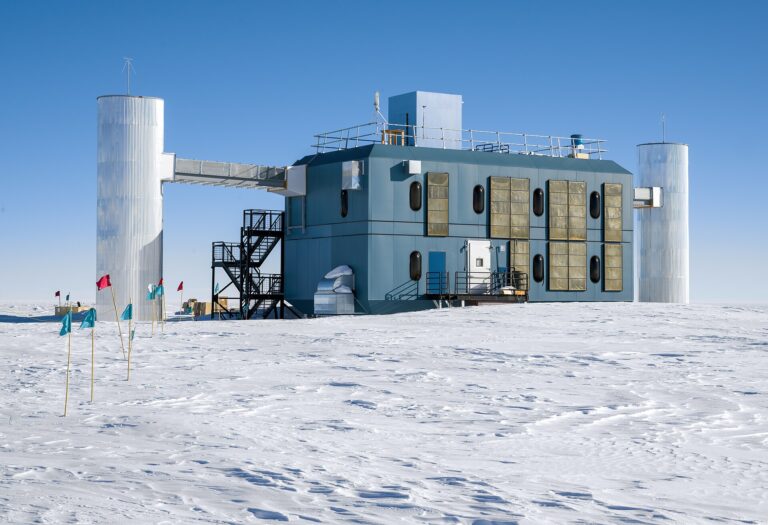
Featured image. Source: Pexels. Credit: Ray Zhu. License: Pexels License.