



| IN A NUTSHELL |
|
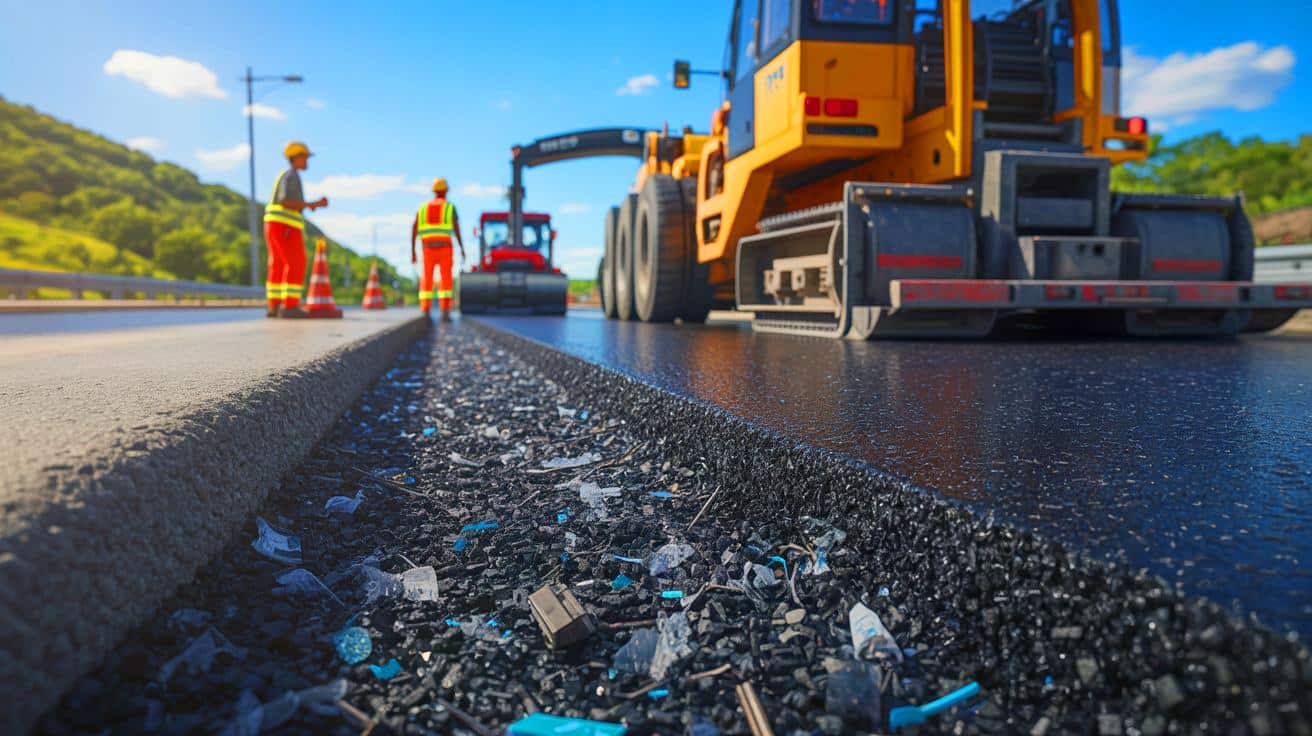
In the Northern Territory of Australia, scientists are tackling the challenge of waste management and infrastructure durability by transforming discarded tires and plastics into reliable road materials. In collaboration with the Northern Territory Government, researchers from Charles Darwin University (CDU) are exploring the potential of these recycled elements to create roads that are not only more cost-effective but also environmentally friendly. This initiative is part of a broader effort to address the Territory’s unique climate challenges, such as extreme heat and UV exposure, which often degrade traditional asphalt. The research aims to establish a circular economy by reducing landfill waste and promoting the use of sustainable materials in construction.
Adapting Roads to Extreme Heat
The Northern Territory’s harsh climate poses significant challenges for road infrastructure. According to CDU Ph.D. candidate Ramin Shahbazi, roads designed for cooler environments often deteriorate quickly under the intense local conditions. He notes that the high temperatures can cause the materials in the pavement to undergo chemical reactions, leading to brittleness and damage. This situation has prompted researchers to seek alternatives that can withstand these environmental stresses.
By integrating recycled rubber and plastics, the team aims to create a pavement mixture that not only meets but surpasses the performance of traditional materials. Shahbazi highlights that using these recycled materials could also lower construction costs by eliminating the need for expensive polymers. This approach not only addresses the financial aspect but also aligns with environmental sustainability goals, as it repurposes materials that would otherwise contribute to landfill waste.
“This Shocking Discovery: Ancient Man’s Secrets Revealed (And They Could Change Your Health)”
Testing Recycled Materials for Durability
The research focuses on two specific types of modified binders: crumb rubber-modified binder (CRMB) and recycled plastic-modified binder (RPMB). CRMB has shown promising results in resisting oxidative, thermal, and UV aging, suggesting its potential for enhancing asphalt durability in extreme environments. This makes it a viable candidate for use in regions like the Northern Territory, where traditional roads struggle to endure the conditions.
In contrast, RPMB’s performance is more variable. It depends on factors such as the type of polymer used, the dosage, and the specific environmental conditions. This variability indicates that further research is needed to ensure consistent and reliable results with RPMB. Additionally, the study examines moisture-induced damage, an important consideration for road longevity. While CRMB improves aggregate adhesion due to chemical interactions, the presence of undissolved rubber particles can be a drawback. Meanwhile, recycled plastics in asphalt show acceptable moisture resistance, though ongoing research is needed to fully understand how plastic properties affect the mixture.
Building a Circular Economy
One of the key goals of this research is to standardize the use of recycled materials in infrastructure projects. Shahbazi hopes that the findings will encourage investment in recycling facilities within the Northern Territory, thus contributing to a circular economy. This approach not only reduces environmental impact but also promotes economic sustainability by reusing materials that would otherwise contribute to waste.
The potential benefits of this initiative are significant. Tire Stewardship Australia’s 2023 to 24 annual report indicates that 500,000 metric tons of tires reach the end of their life across the country each year. Repurposing these materials into road construction could drastically reduce their environmental footprint. The collaboration between CDU and the Northern Territory Government’s Department of Logistics and Infrastructure aims to make these sustainable, durable roads a reality, showcasing a practical application of circular economy principles in one of Australia’s most challenging regions.
Environmental and Economic Impacts
The use of recycled tires and plastics in road construction offers both environmental and economic advantages. By diverting waste from landfills and repurposing it in infrastructure, the project significantly lowers the environmental impact of road construction. This is particularly important in regions like the Northern Territory, where waste management is a pressing issue.
Economically, the initiative could lead to substantial cost savings. Traditional road construction materials, like polymers, are expensive and often imported. By using locally sourced recycled materials, construction costs are reduced, making infrastructure projects more feasible and cost-effective. This financial benefit, coupled with the environmental advantages, underscores the project’s potential to reshape the future of road construction in Australia and beyond.
As the world seeks sustainable solutions to pressing environmental challenges, the innovative use of recycled materials in road construction offers a promising path forward. By turning waste into a valuable resource, this research not only addresses a local problem but also sets a precedent for sustainable infrastructure development globally. How might other regions and countries adopt similar practices to enhance their road networks while promoting environmental sustainability?