



| IN A NUTSHELL |
|
In an era where energy demands are skyrocketing and environmental concerns are at the forefront, China has embarked on an ambitious project that could redefine the global energy landscape. The country has initiated the construction of the world’s largest hydro-power facility on the Yarlung Tsangpo River in Tibet. This massive undertaking aims to generate a staggering 300 billion kilowatt-hours of electricity annually. However, this development has not come without controversy, particularly from neighboring countries such as India and Bangladesh, who are wary of its potential impact on shared water resources.
Understanding the Scale of the Project
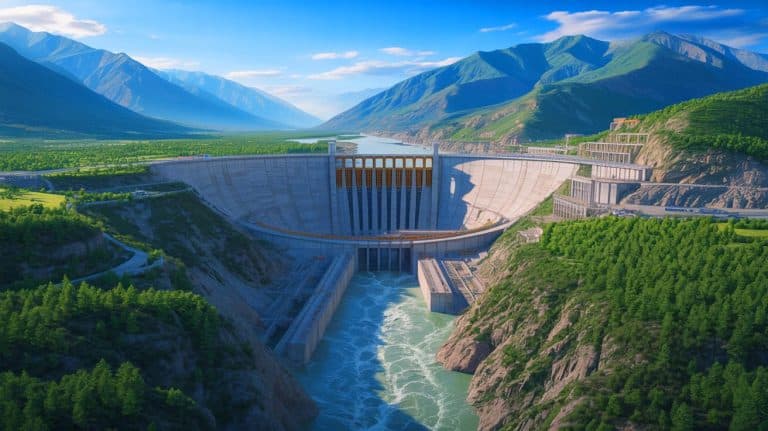
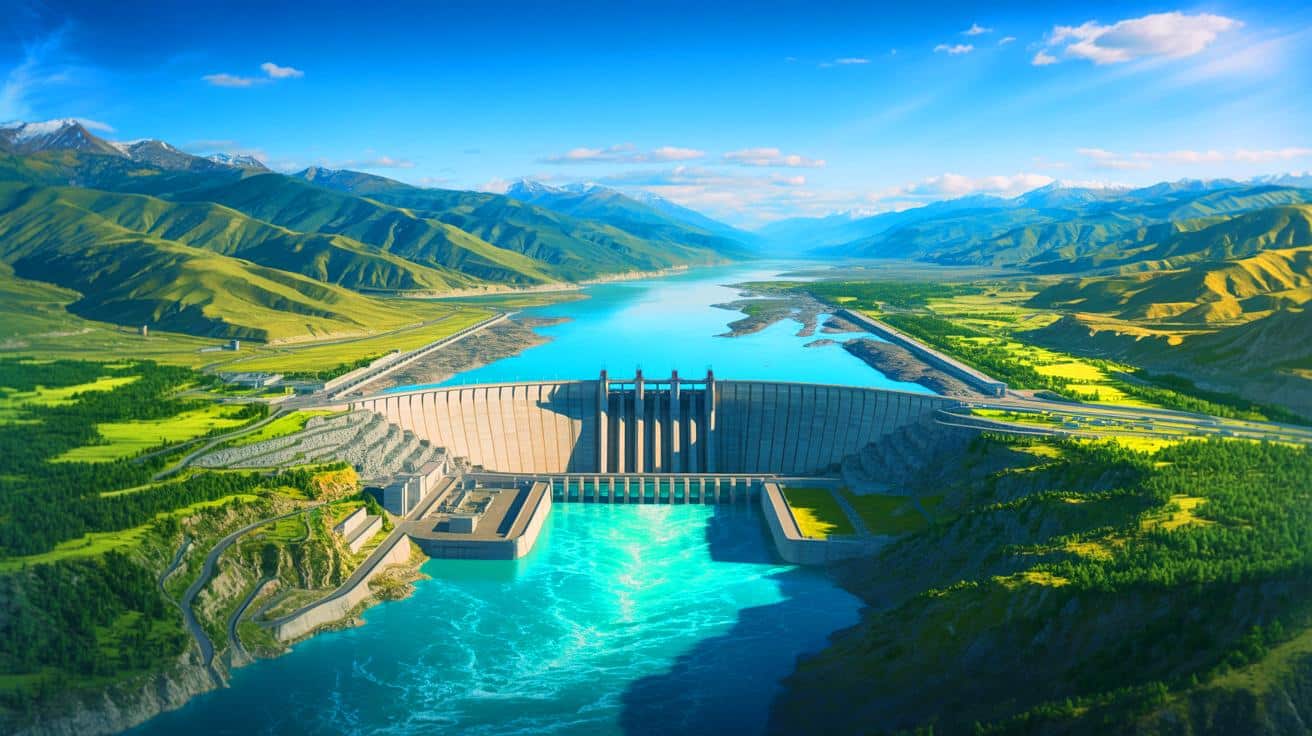
The new hydro-power project on the Yarlung Tsangpo River is set to eclipse existing facilities, including China’s own Three Gorges Dam. With an estimated annual electricity output of 300 billion kilowatt-hours, the project represents a significant leap in renewable energy generation. The dam will consist of five cascade hydro-power stations and requires an investment of approximately $167 billion. This colossal endeavor underscores China’s commitment to expanding its renewable energy portfolio, aiming to secure its position as a global leader in green energy.
The construction officially began with a groundbreaking ceremony in July 2025 in Nyingchi, a city near the Indian border. The Yarlung Tsangpo River, which originates in Tibet, transforms into the Brahmaputra River as it flows into India and Bangladesh. Given its trans-boundary nature, the project has raised alarms about its potential to disrupt downstream water flow, affecting agriculture and the environment in these neighboring regions.
Concerns in India, Bangladesh About the Project
The announcement of this project has led to heightened tensions in India and Bangladesh. Both countries rely heavily on the Brahmaputra River for agricultural activities, water supply, and ecological balance. The potential for reduced water flow has prompted India to fast-track its own hydro-power projects in Arunachal Pradesh as a countermeasure. Additionally, longstanding border disputes between India and China exacerbate these concerns, as infrastructure developments in disputed areas further strain diplomatic relations.
China has attempted to address these concerns by highlighting the comprehensive scientific assessments conducted to ensure minimal impact on downstream ecosystems. The Chinese government has emphasized that the dam will enhance disaster prevention, climate change adaptation, and regional cooperation. Despite these assurances, skepticism remains, with fears that China might use the dam as a political tool during times of tension, potentially manipulating river flow to create artificial floods or droughts.
Environmental and Social Implications
Beyond geopolitical concerns, the environmental and social implications of the project are significant. Environmental groups have raised alarms about the potential biodiversity loss, displacement of local communities, and disruption to the Himalayan ecosystem. The construction of such a large-scale facility in a fragile environment poses risks that could outweigh the benefits if not managed with utmost care.
China has established a new state-owned enterprise, the China Yajiang Group, to oversee the project. This company is tasked with ensuring compliance with environmental protections and technological innovations. During the company’s inauguration, Vice-Premier Zhang Guoqing stressed the importance of integrating ecological safeguards with technological advancements, aiming to set a benchmark for future projects of this nature.
Potential Benefits and Future Outlook
Despite the controversies, the project holds the promise of significant benefits. It is expected to generate electricity for export markets while also meeting some local energy needs in Tibet. The Chinese government has framed the project as a progressive step towards sustainable development and regional energy integration. By enhancing local infrastructure and providing clean energy, the project could contribute to economic growth and improved living standards in Tibet.
However, the success of this endeavor depends on balancing the energy needs with environmental and social responsibilities. The project serves as a critical test of China’s ability to manage large-scale infrastructure projects in sensitive regions. As the world watches closely, the outcomes of this hydro-power facility will likely influence future projects in similar contexts, shaping the narrative around renewable energy and international cooperation.
As China advances with this monumental hydro-power project, the world is left pondering the implications. Will it serve as a model for sustainable development, or will it exacerbate existing tensions and environmental challenges? How will neighboring countries adapt to these changes in water politics? The answers to these questions will undoubtedly influence the geopolitical and environmental landscape for years to come.