


| IN A NUTSHELL |
|
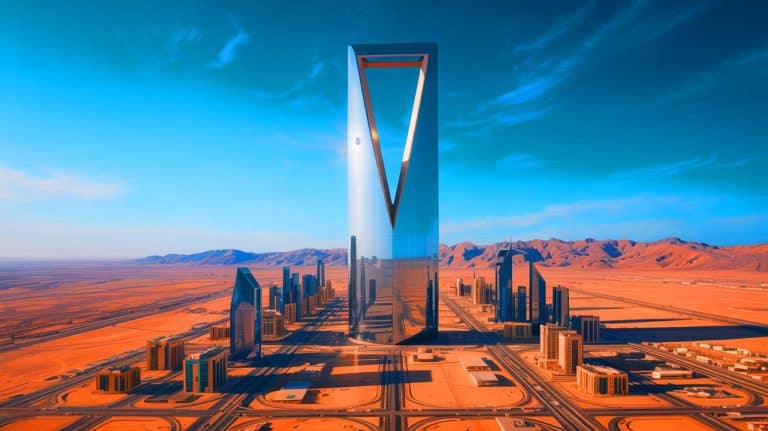
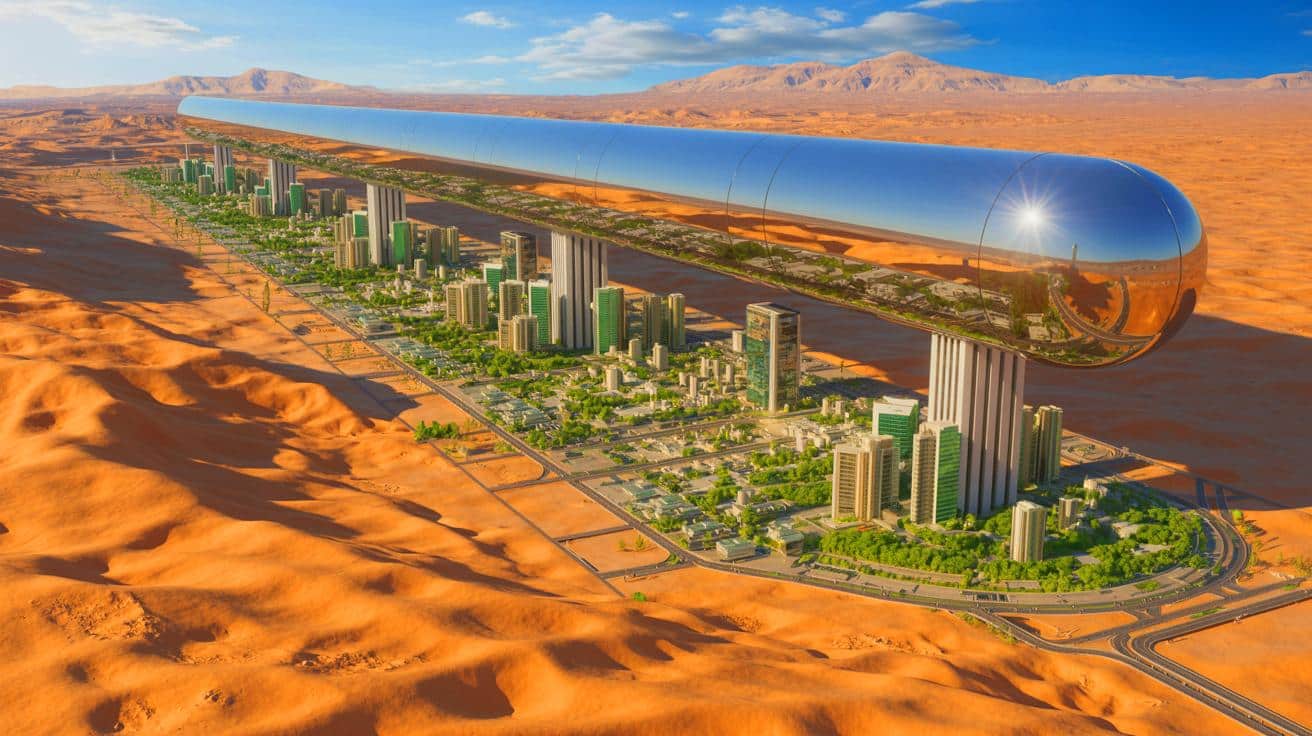
The ambitious Line project in Saudi Arabia is an integral component of the country’s Vision 2030 initiative, aiming to transform vast stretches of desert into a futuristic urban landscape. The project’s scope is impressive, with plans for a 105-mile-long linear city that promises to redefine urban living. However, as this grand vision unfolds, it raises significant environmental concerns, particularly regarding its potential impact on migratory birds. The project sits on a major avian route, and its mirrored facade could pose serious risks to bird populations. As construction progresses, the tension between technological advancement and environmental preservation becomes increasingly apparent.
The Scale and Ambition of The Line
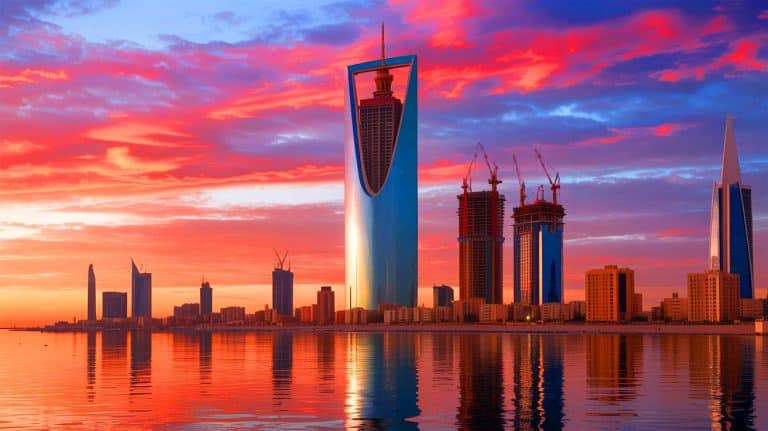
The Line’s ambition is nothing short of revolutionary, envisioning a city that stretches for 105 miles and rises to 1,640 feet in height. Designed to accommodate nine million residents, the city boasts a striking mirrored facade, which symbolizes the fusion of cutting-edge technology and sustainability. This project is a key part of Saudi Arabia’s Vision 2030, aimed at diversifying the economy and reducing reliance on oil. However, the scale of The Line has drawn scrutiny from environmentalists, who are concerned about its impact on local biodiversity, especially migratory birds.
Environmental assessments have highlighted the potential risks posed by The Line’s towering, reflective surfaces. These could become deadly obstacles for birds migrating through the region. Balancing the grand urban vision with the preservation of delicate ecosystems presents a significant challenge. The project’s success hinges on addressing these environmental concerns while still pushing forward with its ambitious goals. As debates continue, The Line remains a focal point in the broader discussion of sustainable urban development.
Environmental Implications and Avian Threats
The Line poses a substantial threat to avian populations due to its location on a major migratory route. The mirrored skyscraper could act as a lethal barrier for these birds, sparking intense debates about the feasibility of balancing urban expansion with wildlife conservation. The developers acknowledge the possible ecological impact, and this has led to calls for integrating more comprehensive environmental safeguards into the project’s plans.
| Avian Impact | A Threat to Migratory Birds |
|---|---|
| NEOM Project | Desert Transformation into a Futuristic City |
| Sustainability | An Ecological Ambition Under Scrutiny |
| Delays | Cumulative Construction Challenges |
The potential threat to birds underscores broader questions about development in environmentally sensitive areas. How can innovation be pursued without sacrificing biodiversity and ecological balance? This dilemma highlights the importance of integrating environmental considerations into urban planning to safeguard the natural world for future generations.
Construction Hurdles and Project Delays
The Line project is not without its construction challenges and delays. Initially set to house nine million residents, current projections estimate only 300,000 inhabitants by 2030, reflecting a significant deviation from the original vision. Construction is currently focused on excavation, with various foundational issues causing delays.
- Construction setbacks
- Balancing nature and urbanization
- Impact on biodiversity
- Project delays
These hurdles highlight the complexities of pursuing sustainable construction in fragile environments. The project’s ambitious goals necessitate overcoming these obstacles while ensuring ecological integrity. As The Line progresses, it serves as a poignant case study in the ongoing dialogue about sustainable development.
Balancing Innovation and Ecological Preservation
The Line project exemplifies the tension between urban innovation and ecological preservation. Its ambitions are as vast as the desert it seeks to transform, but the environmental cost cannot be overlooked. Balancing technological and architectural progress with nature’s preservation is crucial to ensuring a sustainable future.
As we move forward, we must ask ourselves: How can we strike a balance between creating advanced, innovative urban environments and preserving the natural world for future generations? What sacrifices are we willing to make in the pursuit of progress, and how can we ensure that our actions today do not come at the expense of tomorrow’s ecosystem?