




| IN A NUTSHELL |
|
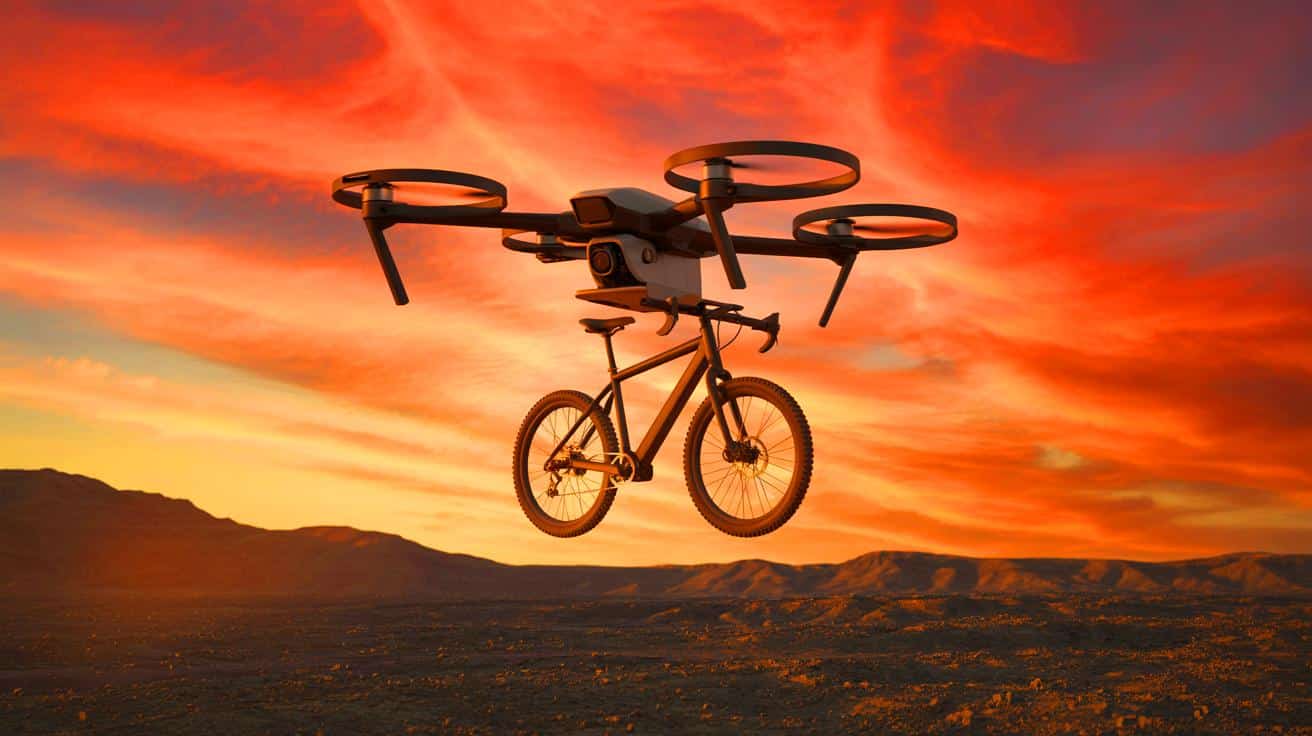
The ongoing conflict in Ukraine has spurred a remarkable race in drone technology, driven by the exigencies of modern warfare. As both Russian and Ukrainian forces push the boundaries of innovation, drones have emerged as a crucial tool on the battlefield. From transporting vital supplies to executing strategic military operations, drones are reshaping the landscape of combat. In a striking example of this shift, the Ukrainian National Guard recently utilized a heavy bomber drone to deliver an e-bike to a stranded soldier, demonstrating the versatility and potential of these unmanned aerial vehicles (UAVs).
The Evolution of Drone Technology in Warfare
The conflict in Ukraine has catalyzed an unprecedented development in drone technology. Both sides have leveraged drones for various tactical purposes, resulting in innovations that would have seemed futuristic just a few years ago. Among the developments are fiber-optic drones, which can avoid radio jamming, and kamikaze sea drones, which are now being equipped with anti-air missiles. These advancements highlight the increasing reliance on UAVs for both offensive and defensive operations.
Additionally, drones capable of deploying shotguns, dropping mines, and releasing incendiary devices like flaming thermite have been introduced. These features illustrate the diverse range of applications that drones can undertake in a combat setting. The introduction of long-range, aircraft-style drones that can serve as substitutes for small cruise missiles marks another leap in drone capability, emphasizing their growing strategic importance.
Will “Recycled EV Batteries” Save the Planet or Fuel This New Environmental Nightmare?
Drone Delivery: A Game-Changer in Modern Combat
In a remarkable display of drone utility, Ukraine’s 4th Rapid Reaction Brigade, also known as “Rubizh,” executed a daring mission to deliver an e-bike to a soldier trapped behind enemy lines. The operation showcased the potential of heavy bomber drones to transport significant payloads across challenging terrains. Despite the failure of initial attempts due to hostile forces and weight constraints, the successful delivery underscored the adaptability of drone technology in crisis situations.
This mission reflects the broader trend of utilizing drones for logistical support in war zones, where traditional armored vehicles have become increasingly vulnerable. As drones become more integral to military strategy, their ability to carry and deliver heavy loads such as an e-bike opens new possibilities for resupply and evacuation efforts in contested areas.
Challenges and Innovations in Drone Warfare
While drone technology has made significant strides, it is not without its challenges. The Ukrainian brigade’s mission to rescue the soldier, known by the callsign “Tankist,” illustrates the risks involved in drone operations. The first drone was shot down, and the second failed under the weight of the e-bike, highlighting the vulnerabilities that UAVs face in hostile environments. However, the eventual success of the mission demonstrates the resilience and determination of drone operators to overcome such obstacles.
Drone developers are now exploring the integration of artificial intelligence to enhance UAV autonomy, allowing drones to make targeting decisions independently if communication links are severed. This development represents a significant step forward in drone warfare, potentially increasing their effectiveness and reliability in complex scenarios.
Commercial Implications: Drones Beyond the Battlefield
The advancements in military drone technology have implications beyond the battlefield, influencing commercial sectors such as logistics and delivery. Companies like Amazon have long pursued drone delivery systems, although current commercial drones are limited to packages weighing under five pounds. The military’s ability to transport heavier loads like e-bikes suggests future possibilities for more robust commercial delivery systems.
As drone technology continues to evolve, its applications are likely to expand into various industries, offering innovative solutions to logistical challenges. This cross-pollination between military and commercial drone technologies could spur further advancements, driving both sectors toward greater efficiency and capability.
The rapid advancements in drone technology, driven by the conflict in Ukraine, are reshaping the future of warfare and logistics. As drones become more sophisticated and capable, their role in military strategy and commercial applications is set to expand. How will these developments influence global security dynamics and the future of transportation industries?