



| IN A NUTSHELL |
|
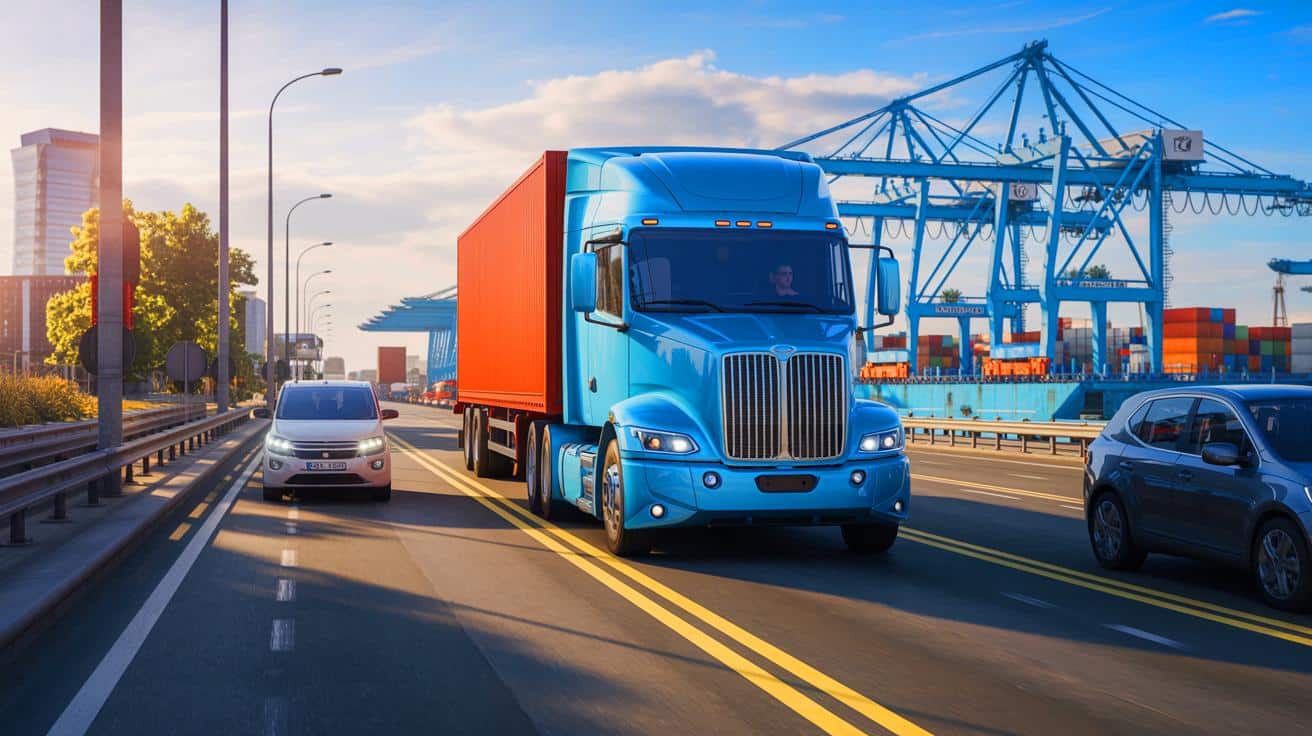
The landscape of transportation is undergoing a significant transformation, with autonomous vehicles leading the charge. At the forefront of this innovation is Einride, a Swedish company that has successfully introduced a fully autonomous heavy-duty vehicle on public roads in Belgium. This achievement marks a pivotal moment in the evolution of road freight, showcasing the potential for digital, electric, and autonomous solutions to revolutionize logistics. As we delve into this development, we explore how Einride’s breakthrough can reshape the future of transportation, particularly in Europe, and the implications it holds for the global logistics industry.
Einride’s Milestone in Belgium
Einride’s recent success in Belgium is more than just a technological achievement; it’s a statement of what the future holds for transportation. The demonstration at the Port of Antwerp-Bruges was conducted under Belgium’s regulatory framework, highlighting the country’s commitment to embracing autonomous freight technology. According to Johan Klaps, chairman of the board of directors at the Port of Antwerp-Bruges, this milestone underscores the port’s role as a testing ground for tomorrow’s mobility solutions.
The deployment of autonomous vehicles is not merely a technological leap but a strategic move towards sustainable applications. By reducing reliance on traditional fuel-powered freight, autonomous and electric solutions contribute significantly to lowering emissions and enhancing economic growth through innovation. This development positions Belgium, and Europe, as leaders in the advancement of autonomous transportation, setting a precedent for other regions to follow.
“Explosive Risk Looms”: China Advances Could Shift Global Power Dynamics in Hypersonic Warfare
Operational Reach and Technological Advancements
Einride has already established itself as a key player in the autonomous vehicle sector, with operations spanning Europe and the U.S. The company’s electric freight platform leverages extensive data accumulated over years of operations, enabling it to deploy autonomous technology at scale. The Port of Antwerp-Bruges, one of the world’s most complex logistics centers, serves as a prime example of how autonomous systems can optimize supply chains and reduce environmental impact.
Henrik Green, CTO and General Manager for Einride Autonomous Technologies, emphasized the importance of collaboration between public and private sectors to achieve shared goals. The European Commission’s recognition of autonomous vehicles as essential to EU competitiveness further reinforces the need for such innovations. By balancing regulation and technology, Europe can ensure safer, more efficient, and sustainable logistics, paving the way for a new era in transportation.
Expanding Fleet of Electric Trucks
Einride’s fleet of heavy-duty electric trucks is among the largest in the world, serving markets across North America, Europe, and the Middle East. The company’s freight platform, built on a foundation of robust data, is uniquely positioned to scale autonomous technology. Einride’s cabless vehicle design allows for more cost-effective logistics solutions, requiring fewer remote operators per vehicle.
This innovative approach not only reduces operational costs but also enhances the overall efficiency of logistics networks. Jacques Vandermeiren, CEO of the Port of Antwerp-Bruges, remarked on the transformative impact of autonomous solutions, noting that they are already enhancing safety and sustainability. As ports like Antwerp-Bruges continue to adapt, they will serve as gateways not only for goods but for the future of transportation itself.
Engineer Transforms $20 Vape Pen Into Mini Web Server, But Can It Handle 1,000 Users Simultaneously?
The Future of Autonomous Freight
As Einride continues to expand its operations and refine its technology, the implications for the logistics industry are profound. The integration of autonomous freight solutions presents opportunities for reduced emissions, improved efficiency, and enhanced safety. Moreover, the ability to operate with minimal human intervention could revolutionize how goods are transported globally.
The success of Einride’s deployment in Belgium is a testament to the potential of autonomous vehicles to reshape the logistics landscape. As more regions adopt similar technologies, the shift towards sustainable and efficient transportation becomes increasingly attainable. This evolution prompts us to consider the broader impact on global trade and the role of innovation in addressing environmental and economic challenges.
The advancements showcased by Einride in Belgium illustrate the transformative potential of autonomous freight technology. As the logistics industry continues to evolve, the question remains: How will other nations and companies adapt to this rapidly changing landscape, and what role will they play in shaping the future of transportation?