



| IN A NUTSHELL |
|
The discovery of 76-million-year-old dinosaur tracks in Dinosaur Provincial Park in Alberta, Canada, has revolutionized our understanding of dinosaur behavior. Archaeologists have unearthed evidence of a multispecies herd, revealing complex interactions among different dinosaur species. This unprecedented find offers a rare glimpse into the social dynamics of these ancient creatures, akin to the mixed-species herding seen today on the African plains. The study, published in the journal PLOS One, provides not only a snapshot of dinosaur herding but also hints at potential predator-prey interactions with the simultaneous discovery of tyrannosaur tracks. This new evidence invites us to rethink how dinosaurs lived and interacted millions of years ago.
Dinosaurs Banded Together
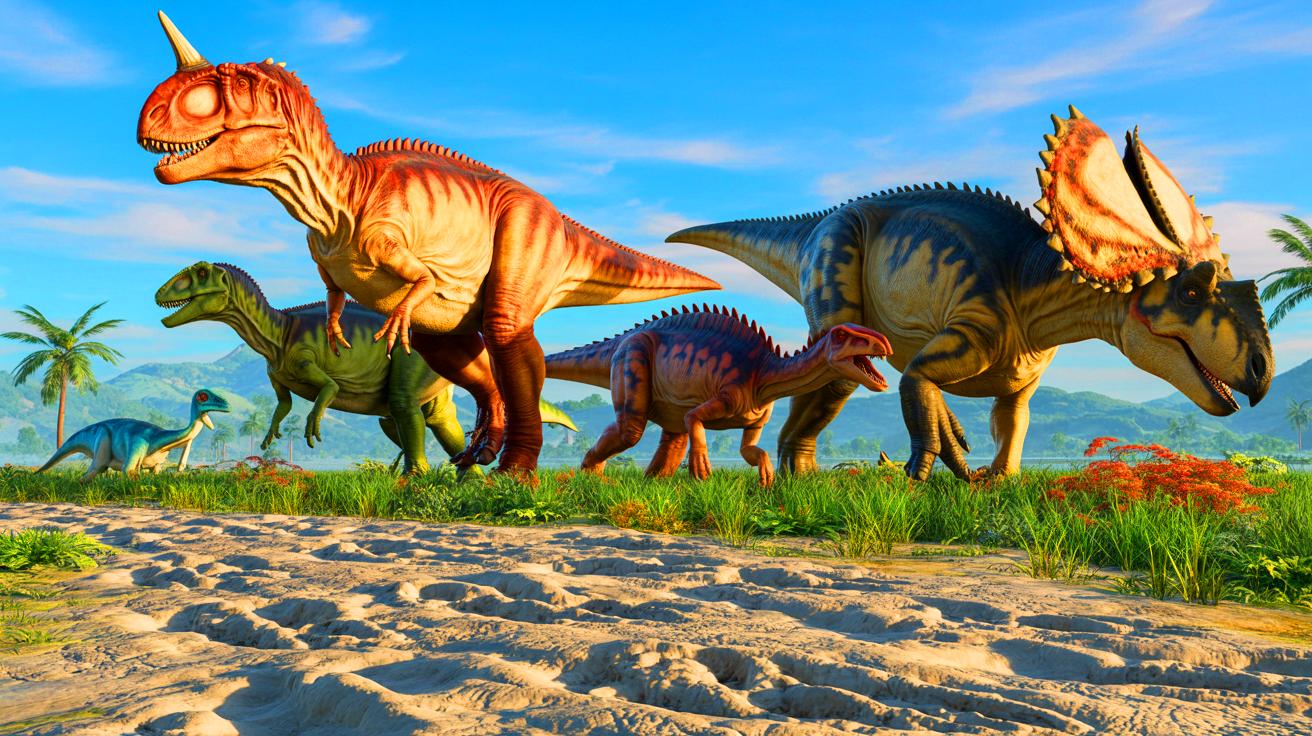
An international team of researchers embarked on an excavation of a 312.15-square-foot area within Dinosaur Provincial Park, a UNESCO World Heritage site renowned for its rich fossil deposits. Despite the park’s fame, it has long been thought to lack dinosaur footprints. This excavation has dispelled that belief, revealing a fascinating tableau of dinosaur activity. The team discovered 13 ceratopsian tracks, evidence of at least five horned dinosaurs walking in unison, and a probable ankylosaurid mingling with the group. Adding to the intrigue, the footprint of a small carnivorous dinosaur was also found.
Jack Lovegrove, a noted paleontologist, emphasized the rarity of such finds. While bone beds have suggested herding behavior in ceratopsians, they only confirm that these animals died together. The newly discovered trackways, however, provide rare evidence of these creatures living and moving as a group. The tracks offer a fresh perspective on dinosaur social behavior and hint at the complex dynamics within these ancient communities.
Much to Uncover in Dinosaur Paleontology
Dr. Brian Pickles of the University of Reading described his experience of walking in the footsteps of dinosaurs as “incredibly exciting.” This discovery has opened up new avenues for research and exploration within Dinosaur Provincial Park. Dr. Pickles emphasized the potential for further discoveries as the team identified additional tracksites using newly developed search images. These findings promise to deepen our understanding of dinosaur interactions and behaviors in their natural habitats.
Dr. Caleb Brown from the Royal Tyrrell Museum of Palaeontology highlighted the significance of these discoveries. Despite over a century of intense study, the park continues to reveal its secrets, offering new insights into dinosaur trackways and behaviors. This research underscores the ongoing potential for groundbreaking discoveries in dinosaur paleontology, illustrating that much remains to be uncovered about these ancient giants.
The Tyrannosaur Enigma
The discovery of two large tyrannosaur tracks walking side-by-side adds an intriguing layer to the story. Dr. Phil Bell, a lead researcher on the project, noted that these tracks provide a chilling glimpse into potential predator-prey interactions. The tyrannosaur tracks suggest that these formidable predators may have been eyeing the herd, raising questions about their hunting strategies. Dr. Bell remarked on the eerie feeling of observing the scene, capturing a moment that might have been a dinosaur hunt.
However, as Jack Lovegrove pointed out, it’s uncertain whether the tracks represent a singular event or a more complex series of interactions. The discovery leaves room for interpretation and further study, as researchers work to unravel the mysteries of these ancient ecosystems. The presence of both herbivores and potential predators in such close proximity opens up a world of questions about how these creatures coexisted and interacted.
A New Chapter in Dinosaur Research
This remarkable discovery at Dinosaur Provincial Park marks the beginning of a new chapter in dinosaur research. The evidence of multispecies herding and the potential interactions with predators provide a unique window into the past. As researchers continue to explore the park and analyze these tracks, we can expect more revelations about the lives of dinosaurs.
The findings challenge previous assumptions and highlight the dynamic and complex nature of dinosaur ecosystems. With each new discovery, researchers are piecing together the puzzle of how these incredible creatures lived, moved, and interacted. What other secrets might Dinosaur Provincial Park hold, and how will they reshape our understanding of the prehistoric world?