




| IN A NUTSHELL |
|
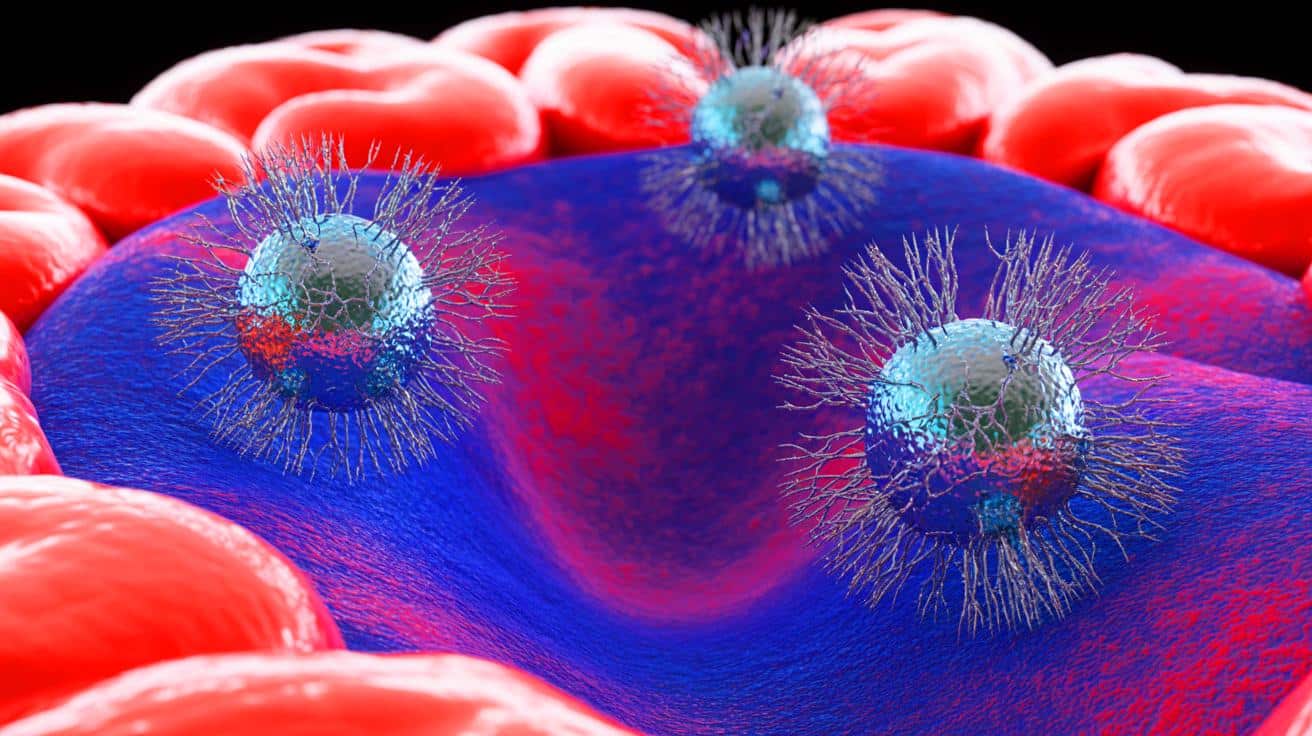
In a groundbreaking development, a team at Texas A&M AgriLife Research has introduced a novel method to potentially heal brain cells affected by neurodegenerative diseases like Parkinson’s and Alzheimer’s. Utilizing metallic nanoflowers, these researchers aim to transform the landscape of brain health treatment by focusing on the root causes rather than merely alleviating symptoms. This innovative approach could be a game-changer in neurotherapeutics, offering hope for more effective treatments.
Molecular Fix for Brain Health
The heart of this innovation lies in the mitochondria, the powerhouse of cells, responsible for converting food into energy. However, this conversion process also produces harmful byproducts, such as reactive oxygen species, which can accumulate and cause cellular damage. The Texas A&M team tested the therapeutic potential of nanoflowers on neurons and astrocytes, essential brain cells, by exposing them to these microscopic particles over 24 hours. Remarkably, the cells showed not only improved mitochondrial structure and quantity but also a significant reduction in oxidative stress.
As Dr. Dmitry Kurouski, the lead investigator, noted, “Even in healthy cells, some oxidative stress is expected. But the nanoflowers seem to fine-tune the performance of mitochondria, ultimately bringing the levels of their toxic byproducts down to almost nothing.” This enhancement of mitochondrial health could lead to overall better brain function, addressing the root cause of damage rather than just the symptoms. If successful, this approach could revolutionize how we treat neurodegenerative diseases.
Worm Model Shows Lifespan Boost
To further validate their findings, the research team extended their study beyond isolated cells to live organisms, using Caenorhabditis elegans, a tiny worm widely used in brain research. The results were promising; worms treated with nanoflowers not only lived several days longer than their untreated counterparts but also exhibited lower early-life mortality rates. These findings bolster the case for nanoflowers as potent neuroprotective agents.
However, before moving to human trials, Kurouski’s team plans to test the safety and distribution of nanoflowers in more complex animal models. Despite the promising results, they emphasize the need for rigorous research to ensure safety and efficacy. Kurouski stated, “We think this could become a new class of therapeutics. We want to make sure it’s safe, effective, and has a clear mechanism of action.”
Potential Applications in Medicine
The potential applications of nanoflowers in medicine extend beyond neurodegenerative diseases. Texas A&M Innovation has already filed a patent application for their use in brain health treatments. Kurouski’s team is also collaborating with the Texas A&M College of Medicine to explore applications in stroke and spinal cord injury recovery. The study, published in the Journal of Biological Chemistry, represents a significant step forward in innovative medical solutions.
Despite years of research, drugs capable of protecting neurons from degeneration are rare, with most treatments focusing on symptom reduction rather than halting disease progression. This breakthrough could alter that narrative, providing a new direction for therapeutic interventions. The potential impact of nanoflowers in medical science is immense, promising not just symptom management but a comprehensive treatment strategy.
The Road Ahead: Challenges and Opportunities
While the promise of nanoflowers is undeniable, the road to clinical application is fraught with challenges. Ensuring the safety and efficacy of these particles in humans is paramount. The team at Texas A&M is keenly aware of these challenges and is committed to thorough testing and validation processes. As they advance to more complex animal models, they aim to address these hurdles and pave the way for clinical trials.
Nevertheless, the opportunities are vast. If successful, nanoflowers could revolutionize treatments for a range of brain-related conditions, offering new hope to millions affected by neurodegenerative diseases. This innovative approach underscores the importance of addressing the root causes of diseases rather than just the symptoms, potentially leading to more sustainable and effective treatment strategies.
The research on metallic nanoflowers opens a new chapter in the quest for effective brain health treatments. With promising results in cellular and animal models, the future looks hopeful. As researchers continue to explore the potential of these nanoflowers, one can’t help but wonder: How might this innovation reshape the landscape of neurotherapeutics and overall brain health in the years to come?