


| IN A NUTSHELL |
|
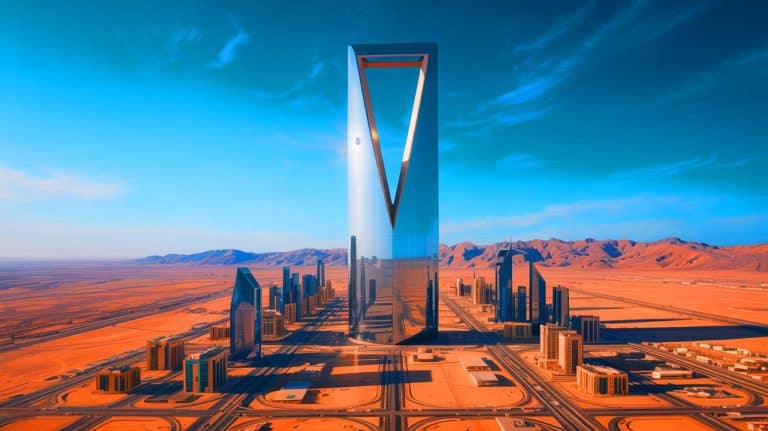
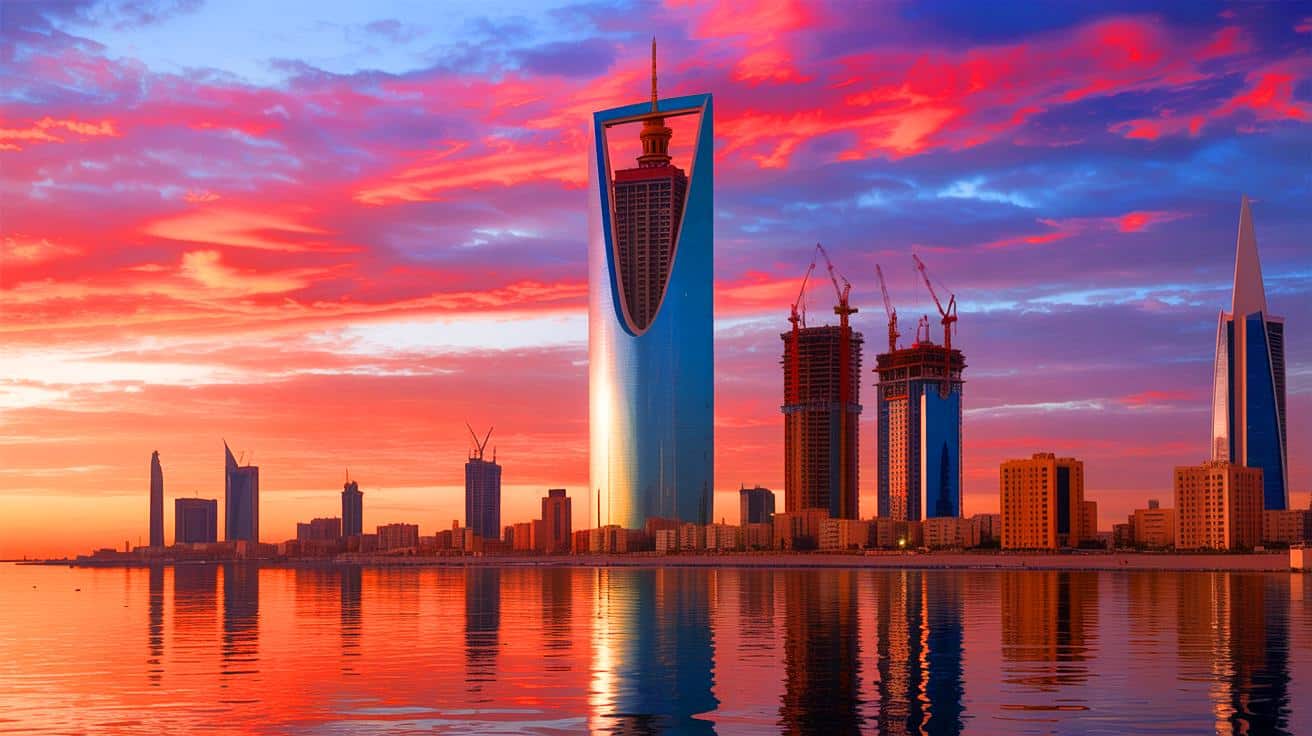
The skyline of Jeddah, a bustling city on the Red Sea, is set to transform dramatically with the rise of the Jeddah Economic Company Tower (JEC Tower). Conceived as the crown jewel of Saudi Arabia’s architectural ambitions, this skyscraper is poised to redefine urban landscapes with its unprecedented height of over 3,280 feet. Designed by the renowned firm Adrian Smith + Gordon Gill, the tower is a testament to human ingenuity and ambition. Its completion is anticipated by 2028, aligning with Saudi Arabia’s Vision 2030 plan. As construction progresses, the project symbolizes the kingdom’s efforts to diversify its economy beyond oil, fostering a new era of development.
The Vision Behind JEC Tower
At the heart of JEC Tower’s conception is Saudi Arabia’s desire to establish itself as a leader in global architecture and urban development. The project’s inception, led by Saudi Prince Al Waleed bin Talal Al Saud, signifies a bold step towards economic diversification. The tower, initially known as the Kingdom Tower, is part of a broader strategy to reduce the country’s dependency on oil revenue.
The design of JEC Tower, crafted by Adrian Smith, the architect behind Dubai’s Burj Khalifa, highlights a commitment to pushing architectural boundaries. The tower’s anticipated height ensures it will surpass the Burj Khalifa, currently the world’s tallest structure. This ambition aligns with Saudi Arabia’s Vision 2030, a framework aimed at transforming various sectors, including tourism and real estate.
Engineering Marvels and Challenges
The construction of JEC Tower is not just about height; it represents a significant engineering feat. Concrete is being poured at a rapid pace, with each floor expected to be completed in just four days. The current construction has reached the 64th floor, with concrete pumping capabilities extending up to 2,624 feet. Engineers are working tirelessly to increase this capacity to accommodate the tower’s full height.
Such advancements in construction technology underscore the project’s innovative nature. The ability to pump concrete to unprecedented heights is a testament to modern engineering. However, challenges remain, particularly in managing the logistics of building such a massive structure while adhering to tight deadlines. These hurdles highlight the complexities involved in realizing a project of this magnitude.
Beyond the Skyscraper: A Vision for Jeddah
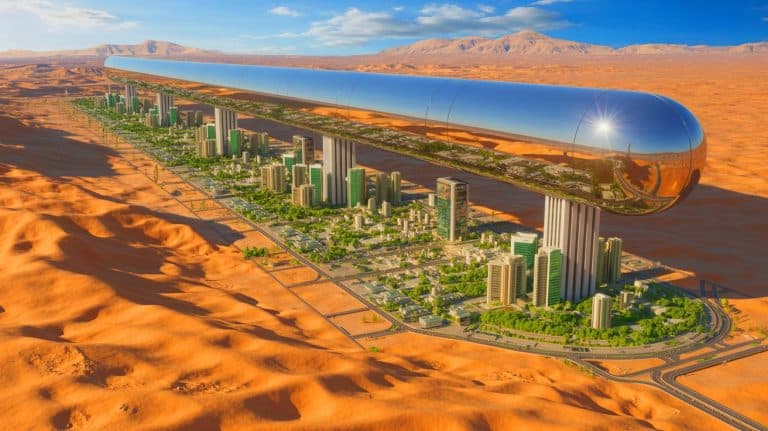
While the JEC Tower is a monumental project in itself, it represents only the first phase of a grander vision for Jeddah. The surrounding development will include essential infrastructure such as hospitals, schools, and universities, creating a self-sustaining community. The plan also incorporates housing to accommodate up to 100,000 people, illustrating a commitment to urban growth.
The development reflects Saudi Arabia’s broader goals of fostering sustainable cities and enhancing the quality of life for its citizens. By integrating residential, commercial, and educational facilities, the project aims to create a vibrant urban ecosystem. This holistic approach is crucial for ensuring the project’s long-term success and aligning with the kingdom’s economic diversification goals.
Global Implications and Future Prospects
The implications of the JEC Tower extend beyond Saudi Arabia’s borders. As the world’s tallest building, it will attract global attention, drawing tourists and investors alike. The project’s scale and ambition signal a shift in the global architectural landscape, positioning Saudi Arabia as a key player in urban development.
The tower’s completion will likely spur further innovations in construction technology and urban planning. As cities worldwide grapple with issues of density and sustainability, JEC Tower offers a blueprint for future skyscrapers. Its impact on the architecture industry will be significant, inspiring new designs and approaches to building in the 21st century.
As the JEC Tower rises, it invites reflection on the future of urban living. What role will such monumental structures play in shaping cities of tomorrow, and how will they influence global perceptions of architectural achievement?