




| IN A NUTSHELL |
|
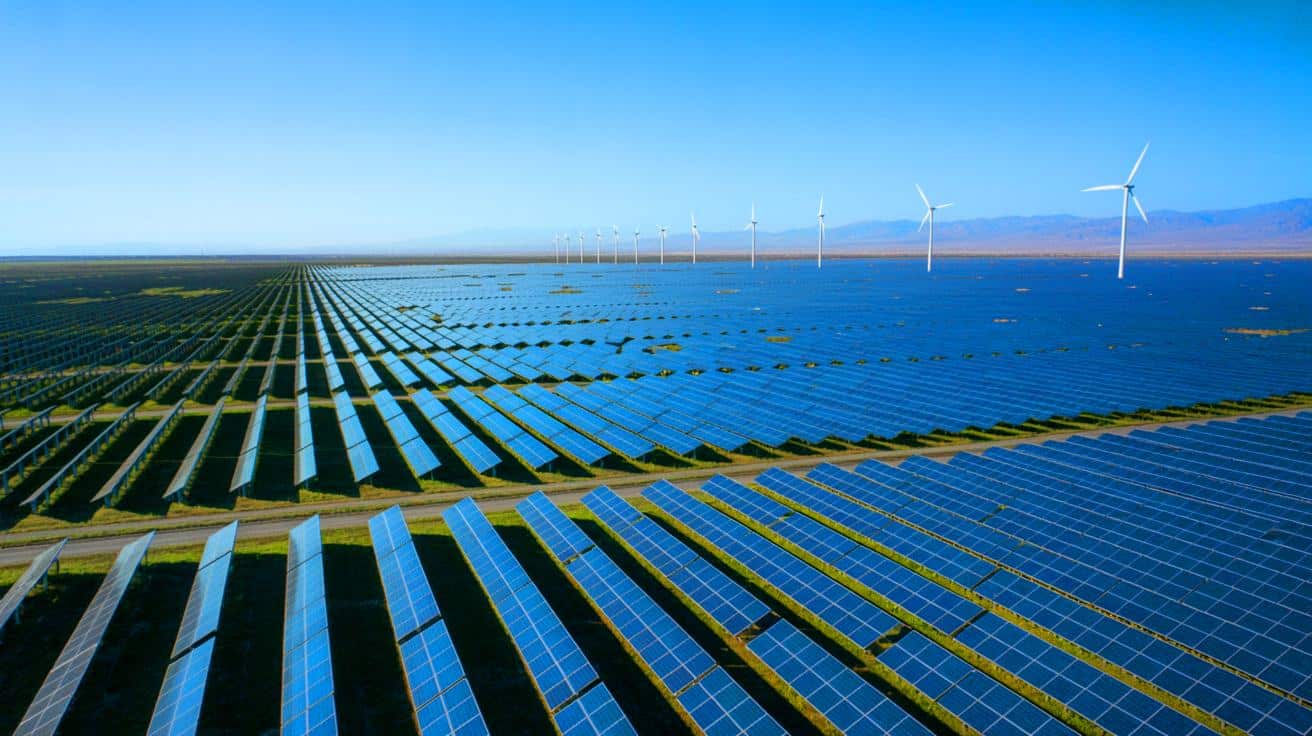
The landscape of energy production in the United States is undergoing a significant transformation. In the first half of this year alone, a remarkable shift has been observed in the energy sector, with solar and wind power leading the charge. Traditional energy sources like coal and nuclear power are taking a backseat, as utility-scale solar, batteries, and onshore wind dominate the newly added power plant capacity. This trend is likely to continue through 2030, shaping the future of energy in the U.S. as the country leans towards a cleaner, more sustainable grid.
The Rise of Solar and Wind Power
The numbers speak volumes about the ongoing shift in the energy sector. In the first six months of the year, the United States added 22,332 megawatts of power plant capacity. A staggering majority of this capacity came from renewable sources, notably utility-scale solar, batteries, and onshore wind. According to the Energy Information Administration (EIA), there were no new coal or nuclear plants added during this period. This marks a stark contrast to past energy trends, where fossil fuels played a dominant role.
Solar power emerged as the leader, with 12,034 megawatts of new capacity. Battery systems followed with 5,900 megawatts, and onshore wind accounted for 2,697 megawatts. Natural gas, while still part of the mix, contributed a smaller share with 1,691 megawatts. This shift towards renewables reflects a growing commitment to clean energy and a move away from traditional, environmentally harmful power sources.
Challenges and Opportunities in Clean Energy
Despite the encouraging trends, the journey towards a cleaner grid is not without its challenges. The development of renewable energy projects is a complex process that requires significant time and resources. Many of the projects completed this year began their development phases around 2020. This means they had to navigate through the COVID-19 pandemic, inflationary pressures, and supply chain disruptions.
Ric O’Connell, executive director of GridLab, points out that the current batch of power plants is noteworthy for enduring these adversities. “It’s been a rocky road for a lot of these projects, so it’s exciting to see them online,” he remarked. The resilience of these projects underscores the potential for renewable energy to weather economic and logistical challenges and continue its growth trajectory.
The Role of Policy and Regulation
Government policy plays a crucial role in shaping the energy landscape. The Trump administration’s push for fossil fuels contrasts sharply with the actual developments on the ground. As David Victor from the University of California San Diego notes,
“There’s a lot of inertia in the system, which means that when you’re trying to build new clean stuff, it takes a long time to get going in that direction.”
This inertia is evident in the ongoing construction of renewable projects despite recent policy shifts.
Moreover, the phaseout of tax credits under the One Big Beautiful Bill Act poses a potential setback for renewable energy. Yet, experts like Victor view this as a temporary slowdown rather than a reversal. The demand for electricity, driven by data centers and other large power consumers, continues to rise, providing a strong impetus for the development of cost-effective energy technologies like solar and batteries.
Looking Ahead: The Future of Energy
As we look towards the future, the trend towards renewable energy is set to continue. The EIA reports a planned addition of 254,126 megawatts of new power plant capacity by 2030. Solar power leads the pack with 120,269 megawatts, followed by batteries and natural gas. Notably absent from these plans are new coal-fired power plants, with only one nuclear project listed for completion by 2030.
While solar power dominates in terms of new capacity, it’s important to consider its limitations. Solar plants have an average capacity factor of 23 percent, meaning they produce electricity at full strength only part of the time. Developers are addressing this by pairing solar with battery storage to ensure a more reliable power supply. Despite these challenges, the momentum for renewable energy remains strong, driven by technological advancements and a growing recognition of its environmental benefits.
The shift towards renewable energy in the United States is a testament to the evolving dynamics of the energy sector. As solar and wind power continue to gain ground, the challenges of transitioning from fossil fuels become increasingly apparent. How will policymakers and industry leaders navigate these challenges to ensure a sustainable and reliable energy future for the nation?


Finally, we’re catching up with the renewable energy trend! 🌍🚀
Why is it taking so long to transition away from fossil fuels?
Great article! It’s about time we focus on clean energy. Thanks! 😊
What happens to all the coal workers? Are there new jobs for them in solar and wind?
Solar and wind are the future, but what about battery disposal issues?
Is it really feasible for the entire country to rely on solar and wind?
Renewable energy is cool and all, but nuclear power still has potential, right?