




| IN A NUTSHELL |
|
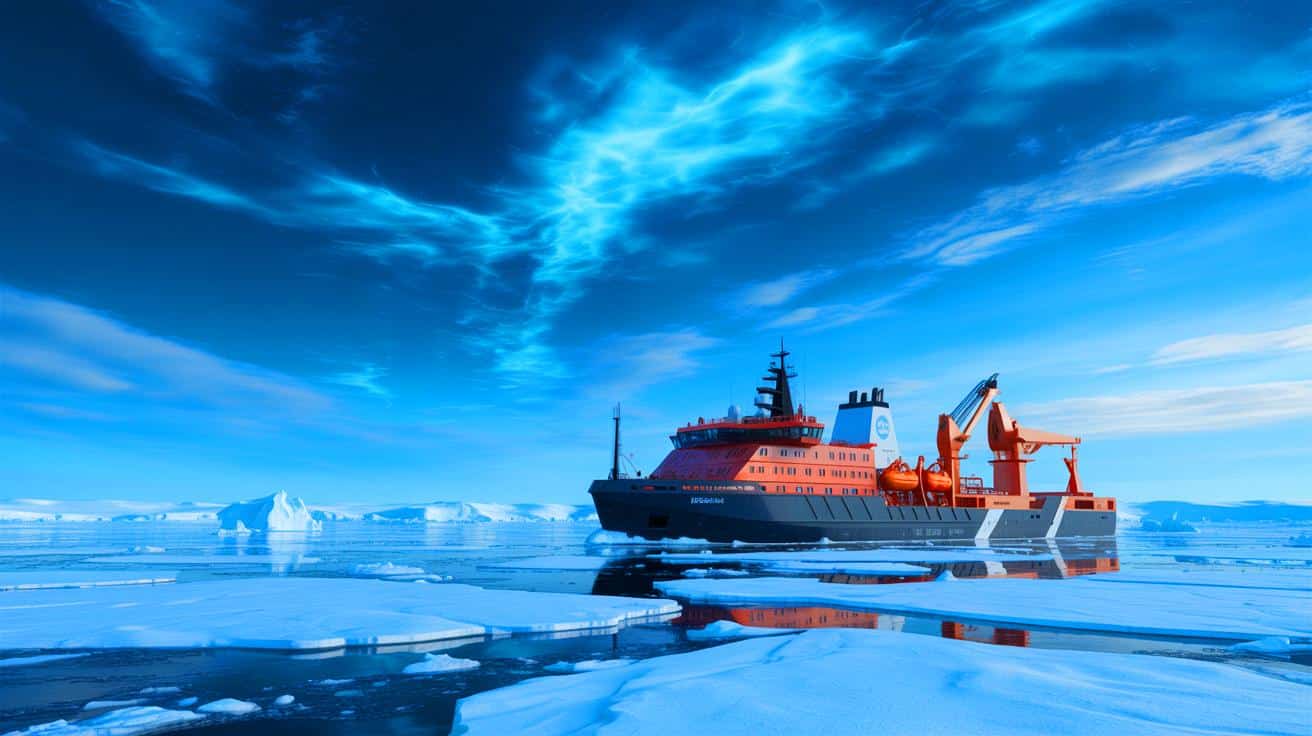
The Arctic Ocean, a region often shrouded in mystery and extreme conditions, is set to become the focus of a groundbreaking scientific mission. The Tara Polar Station, a new research vessel from the Tara Ocean Foundation, is preparing to embark on a series of missions to explore this largely unknown environment. By deliberately allowing itself to be trapped in the ice, the vessel aims to conduct in-depth studies on the Arctic’s biodiversity and the impacts of climate change. With temperatures in the Arctic rising three to four times faster than anywhere else on Earth, the findings could hold significant implications for our understanding of global climate dynamics.
An Unfamiliar and Hostile Environment
The Arctic Ocean remains one of the least explored regions on the planet. This is largely due to the severe and unforgiving conditions of the area. During the winter, temperatures can plummet to -20 to -25 degrees Fahrenheit, with extremes reaching as low as -50 degrees. The region experiences continuous daylight for six months, followed by an endless night for the remaining half of the year. The sea ice itself is dynamic, drifting across the ocean like tectonic plates under the influence of prevailing winds.
The Tara Polar Station is uniquely equipped to handle these conditions. It is designed for successive eighteen-month missions, with fourteen months dedicated to drifting in the ice. The goal is to conduct repeated observations over ten to twenty years, ideally following the same path each time. This long-term approach is intended to yield consistent data that can inform reliable climate models. The vessel’s ability to withstand the harsh Arctic environment makes it an invaluable tool in the quest to understand this remote part of the world.
A True Hotbed of Life
Despite its harsh conditions, the Arctic Ocean is a vibrant ecosystem teeming with life. Scientists believe that only 10% of its biodiversity has been discovered so far. The Tara Polar Station’s mission is to catalog this hidden richness. “The ice is frozen sea water, full of holes and bubbles,” explains Romain Troublé, CEO of the Tara Ocean Foundation. Beneath the surface, the ocean serves as an unexpected oasis, home to numerous organisms and animals adapted to its unique conditions.
One of the mission’s primary goals is to understand how these organisms cope with extreme seasonality. The long polar night challenges life to adapt and survive in ways we have yet to fully comprehend. The ability of these organisms to hibernate and then reawaken with the return of sunlight is a phenomenon that intrigues scientists. By studying these processes, researchers hope to gain insights into how the Arctic ecosystem functions and how it might respond to ongoing climate changes.
Climate Sentinel
The Arctic is experiencing climate change at an alarming rate, with temperatures increasing three to four times faster than the global average. This rapid warming has resulted in the loss of 70% of the sea ice volume over the past fifty years. The ice, once three meters thick, now averages just one meter. This dramatic reduction is significant because the ice plays a critical role in reflecting sunlight, thereby preventing the ocean from absorbing excessive heat. As the ice continues to melt, the ocean absorbs more heat, exacerbating global warming.
The Tara Polar Station aims to understand the implications of these changes. According to Marcel Babin, one of the project’s leading scientists, the station’s primary objective is to investigate how the Arctic Ocean is transforming in response to climate, pollution, and human activities. The data collected will refine weather models and improve our understanding of climate change’s effects. The mission is set to begin in 2026, involving 30 laboratories and 50 scientists from 12 countries, marking a significant international effort to tackle these pressing issues.
Global Implications
The findings from the Tara Polar Station’s missions could have far-reaching consequences. By improving our understanding of the Arctic’s response to climate change, scientists hope to refine global climate models, including those used by the Intergovernmental Panel on Climate Change (IPCC). These advancements could lead to more accurate weather predictions and a better grasp of the potential impacts of climate change on global ecosystems.
Before the official missions commence, the Tara Polar Station will undergo a series of technical tests at sea. Starting from Lorient in June, the vessel will head to Svalbard, Norway, for its major ice initiation in July and August. As the world eagerly anticipates the outcomes of these missions, it becomes increasingly apparent that the Arctic Ocean holds crucial clues to understanding the future of our planet.
The Tara Polar Station’s ambitious undertaking represents a significant step forward in Arctic exploration and climate research. By delving into the depths of this remote ocean, scientists hope to uncover valuable insights that could inform global climate strategies. As the missions unfold, one must wonder: How will these discoveries shape our understanding of the Earth’s fragile climate balance?