




| IN A NUTSHELL |
|
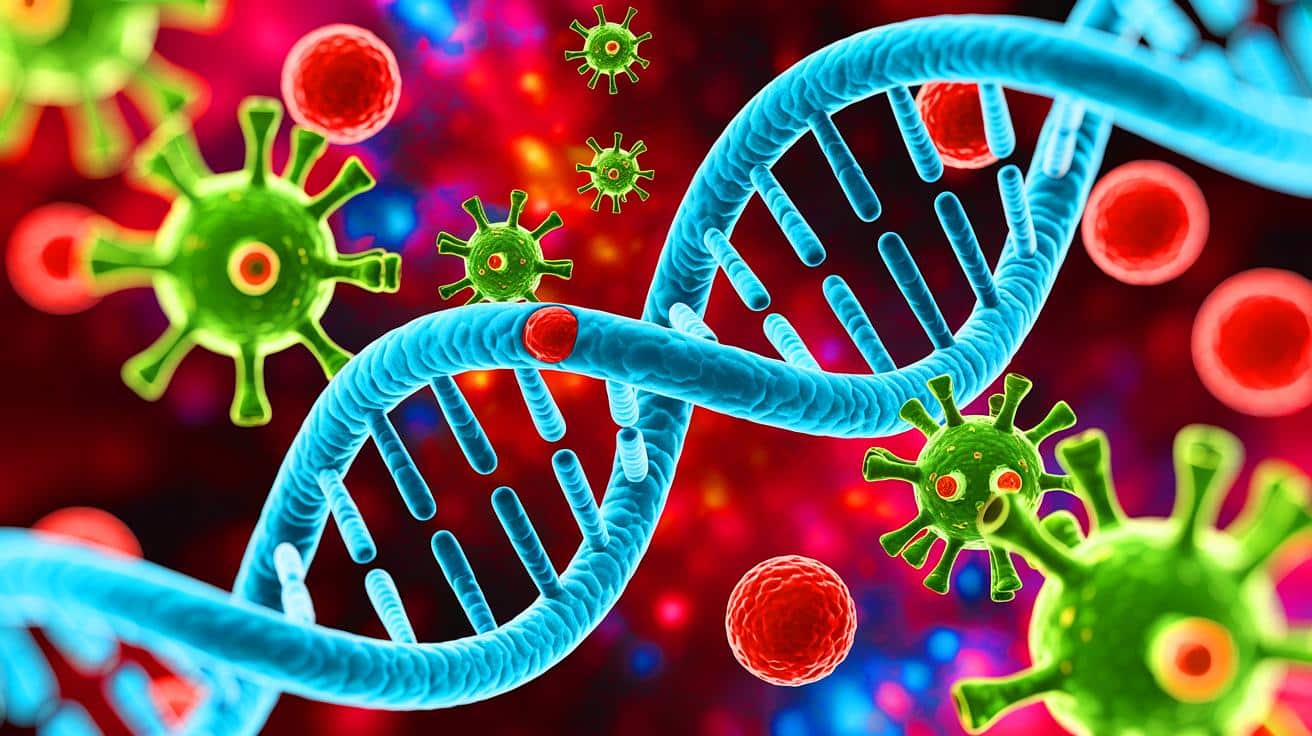
In the vast and intricate tapestry of human genetics, ancient viral DNA fragments are emerging as pivotal players. Long dismissed as “junk,” these viral remnants are now seen as dynamic elements capable of influencing gene activity. Recent groundbreaking research has uncovered that these sequences might be the hidden architects behind the genetic switches that dictate our biological functions. These findings not only challenge our understanding of human evolution but also open new avenues for exploring how our DNA continues to shape health and disease.
Viruses That Engineered Us
Scientists from McGill University and Kyoto University have revealed that a forgotten strand of viral DNA, previously overlooked, may play a crucial role in what makes us uniquely human. According to Guillaume Bourque, a key researcher in the study, around eight percent of our genome comprises viral DNA, remnants of ancient infections. While previously considered genetic clutter, these sequences are now believed to have been repurposed by evolution to fulfill essential biological roles.
The research focuses on a viral DNA family known as MER11, and particularly a subgroup called MER11_G4. This subgroup is active in human stem cells and is found solely in humans and chimpanzees, suggesting a unique evolutionary path. Bourque emphasizes that existing annotations of viral DNA should not be deemed definitive, advocating for a reevaluation of these sequences to better understand their impact on gene regulation.
When the human genome was first sequenced, viral DNA was noted but largely ignored due to technological limitations. However, modern computational methods are allowing scientists to uncover patterns and roles that were previously hidden. The study employs evolutionary history analysis to demonstrate how these viral sequences have influenced human development and health.
The Code Still Works
The discovery of the MER11_G4 subgroup sheds light on the potential regulatory functions of viral DNA. This fourth subtype, previously unknown, appears to be intricately involved in the regulation of genes within human stem cells, possibly affecting developmental processes. The implications for understanding how genes are switched on or off are profound, suggesting that viral DNA is more than mere evolutionary debris.
These viral elements could form part of the system controlling gene expression, impacting how cells evolve, respond to stress, and potentially contribute to diseases like cancer. By tracing these elements, researchers can better understand genetic disorders and the implications of certain gene mutations. This research, published in Science Advances, marks a significant step in recognizing the ongoing influence of ancient viral sequences on contemporary human biology.
The findings underscore the importance of reassessing previously discarded genetic material, hinting at the complex interplay between ancient viral DNA and our genetic makeup. As this research progresses, it could redefine our understanding of genetic evolution and its impact on current health paradigms.
Implications for Health and Disease
The revelation that ancient viral DNA might influence gene expression has significant implications for health and disease. By understanding how these sequences regulate genes, scientists can better comprehend the genetic basis of various conditions and potentially develop targeted therapies. The research suggests that these viral elements might play a role in the development of certain diseases, including some cancers.
The ability to trace the origins and effects of these viral sequences could lead to breakthroughs in diagnosing and treating genetic disorders. It also raises questions about how evolutionary relics continue to influence our biology. As researchers delve deeper into this field, the potential to unlock new genetic mysteries grows, offering hope for novel interventions in genetic medicine.
This new perspective on viral DNA not only challenges existing notions but also paves the way for a deeper understanding of the genetic factors that contribute to health and disease. By reexamining the role of these ancient sequences, scientists can gain insights into the complexities of gene regulation and its impact on human health.
Looking Ahead: The Future of Genetic Research
The discovery of active viral DNA elements in our genome heralds a new era in genetic research. As scientists continue to explore these sequences, the potential for uncovering new aspects of human evolution and biology is immense. This research not only highlights the dynamic nature of our genome but also underscores the importance of revisiting and refining our understanding of genetic material previously deemed irrelevant.
As we look to the future, the question remains: how will these ancient viral elements continue to shape our genetic landscape? Will they offer new solutions to age-old health challenges, or reveal deeper insights into the mysteries of human evolution? The answers lie in the ongoing exploration of these genetic relics, as researchers strive to unlock the full potential of our DNA.