


| IN A NUTSHELL |
|
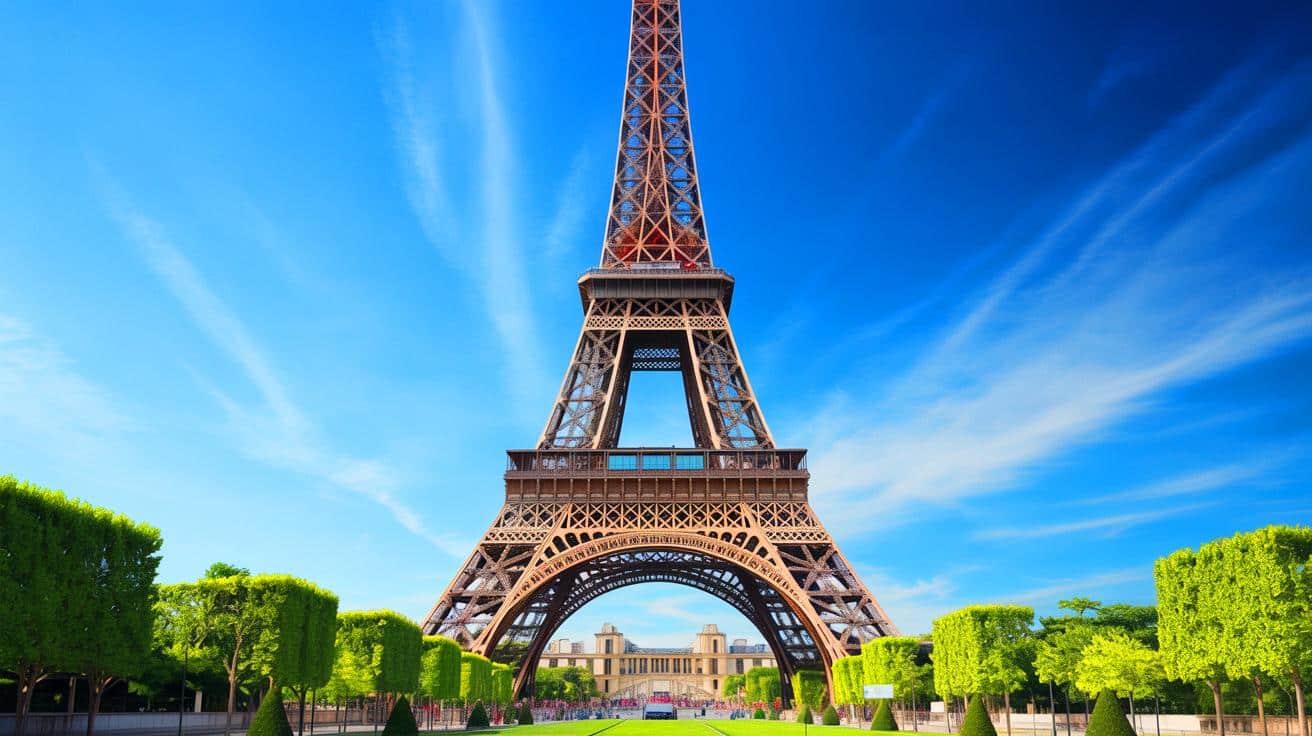
As the summer sun casts its warm glow over Paris, the Eiffel Tower, the city’s iconic iron structure, experiences a fascinating transformation. This architectural marvel, conceived in the late 19th century, is not static. It subtly grows in height during the hottest months. This seasonal phenomenon, driven by the principles of thermal expansion, captures the interplay between physics and architecture. Despite its imposing presence, the Eiffel Tower’s height fluctuates, expanding a few inches in the summer heat and contracting again in the winter cold. These changes, though minute, offer a captivating insight into the dynamic nature of seemingly rigid structures.
Understanding Thermal Expansion
Thermal expansion is a fundamental concept in physics that affects various materials differently. When solids are heated, their atoms vibrate more intensely, causing them to occupy more space. The degree of expansion depends on the material’s coefficient of thermal expansion, the length of the object, and the temperature change it undergoes. In metals, such as the iron and steel that make up the Eiffel Tower, this expansion is moderate compared to other materials like ceramics or polymers.
The Eiffel Tower’s iron lattice, with its specific thermal coefficient, expands measurably when temperatures rise. For instance, a 328-foot metal bar can expand nearly 5 inches with a 180°F temperature change. This principle, applied to the tower’s full height of 984 feet, results in a theoretical extension of over 14 inches. These calculations underscore the tangible impact of thermal forces on large structures, illustrating the importance of considering these effects in engineering and architecture.
The Tower’s Seasonal Changes
The Eiffel Tower’s structure is complex, comprising over 18,000 iron components arranged in a lattice framework. Despite this complexity, the primary thermal response is a vertical expansion. Engineers have observed that the tower’s height varies by 5 to 6 inches between winter and summer. This seasonal fluctuation aligns with theoretical predictions, adjusted for the tower’s geometry and the uneven heating it experiences.
Interestingly, the tower also exhibits a slight daily tilt due to uneven heating. The side facing the sun expands more than the shaded side, causing a minor lean. This movement, although imperceptible to the naked eye, highlights the tower’s role as a giant thermometer, reflecting Paris’s daily thermal cycles. Such dynamic behavior showcases the intricate balance between architectural design and natural forces.
A Broader Context in Engineering
Thermal expansion is not unique to the Eiffel Tower. It is a crucial consideration in various engineering projects worldwide. From bridges like the Garabit Viaduct and the Forth Bridge to everyday railway tracks, the principles of thermal expansion guide design and construction. However, the Eiffel Tower’s visibility in the heart of Paris makes it a compelling example of these scientific principles in action.
This phenomenon illustrates the importance of understanding material behavior under varying temperatures. The Eiffel Tower’s seasonal height changes serve as a vivid reminder of the dynamic interactions between human-made structures and the natural environment. Such insights reinforce the need for engineers and architects to incorporate thermal considerations into their designs, ensuring the longevity and stability of their creations.
The Implications of a Living Monument
The Eiffel Tower’s seasonal growth is a testament to the ever-changing world around us. This iconic structure, often perceived as static and unchanging, reveals its responsive nature through its subtle height variations. Each summer, its silhouette rises slightly higher, reminding us that even the most enduring landmarks are subject to the laws of physics.
As we consider the Eiffel Tower’s dynamic behavior, we are prompted to reflect on the broader implications of such changes. How do these natural forces influence other aspects of our built environment? What lessons can we learn from observing these interactions? These questions invite us to explore the intricate relationship between science and architecture, encouraging a deeper appreciation for the complex world we inhabit.
The Eiffel Tower’s seasonal fluctuations offer a unique perspective on the intersection of science and culture. This living monument, with its changing height, challenges our perceptions of permanence and invites us to consider the broader implications of thermal expansion in architecture. As we marvel at this iconic structure, we are left to ponder: How might other landmarks around the world respond to the subtle forces of nature, and what can they teach us about the ever-evolving relationship between humanity and the environment?