



| IN A NUTSHELL |
|
In a significant leap forward for the aviation industry, China has unveiled its new wind tunnel facility in Guangzhou, designed specifically for low-altitude aircraft testing. This facility marks a notable advancement in the testing and development of air taxis and drones, integrating traditional wind tunnel technology with innovative ‘windshaper’ systems. As urban air mobility becomes increasingly crucial for logistics and surveillance, this development is set to play a pivotal role in shaping the future of aviation. The facility is expected to streamline the testing process, reducing time and costs associated with traditional methods.
Revolutionizing Aerodynamic Testing
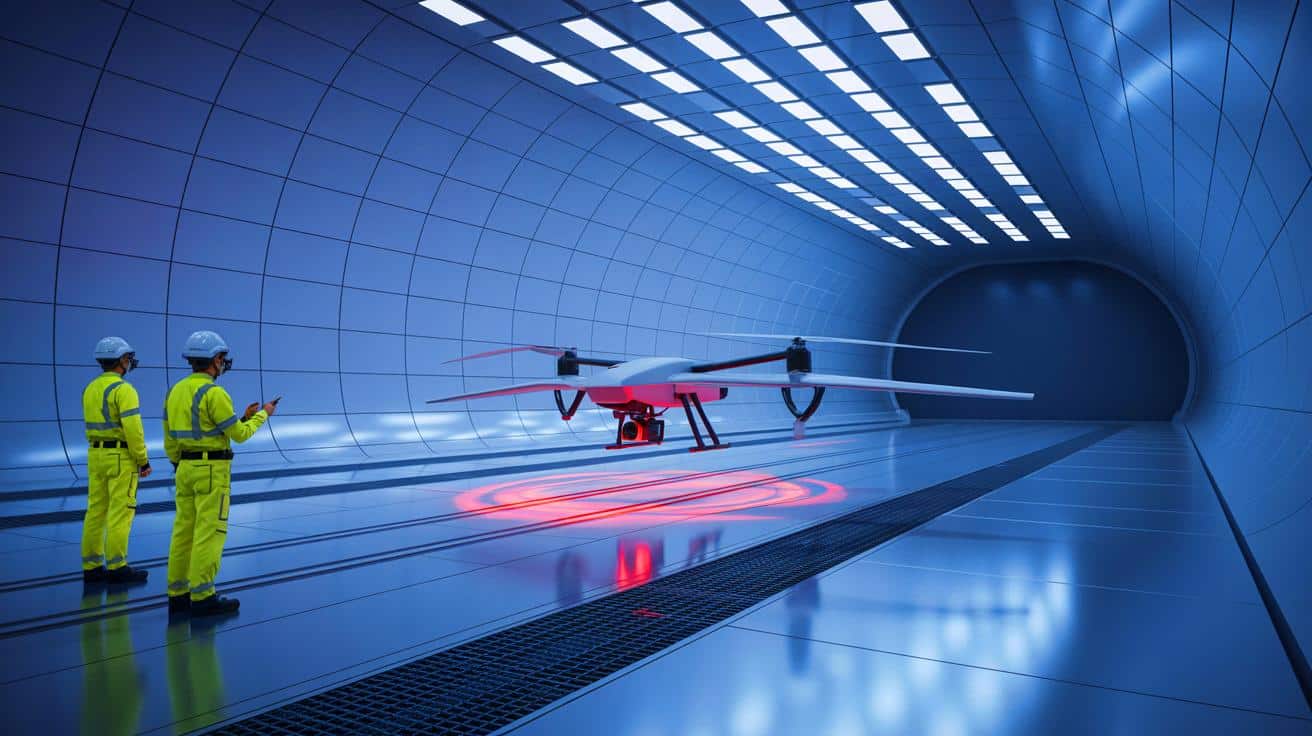
The new wind tunnel facility in Guangzhou integrates traditional aviation wind tunnel systems with pioneering ‘windshaper’ technology, offering an advanced platform for aerodynamic testing. This integration is particularly significant for the development of air taxis and drones, which require precise aerodynamic assessments to ensure optimal performance and safety. The windshaper technology enhances the facility’s ability to simulate various flight conditions, providing engineers with detailed insights into aerodynamic behaviors that were previously challenging to analyze.
By simulating the movement of air around aircraft models, the wind tunnel allows for the optimization of control systems and flight performance. This capability is crucial for the efficient development of low-altitude flyers, which are increasingly important in urban environments. The facility’s ability to offer comprehensive testing in a controlled environment not only accelerates the development process but also significantly reduces costs compared to outdoor test flights.
Addressing Industry Bottlenecks
The introduction of this new facility addresses a critical bottleneck in the aviation industry: the limited availability of testing slots. Previously, companies faced long wait times, sometimes exceeding a year, for testing slots at facilities like the one in Harbin. With the establishment of this new wind tunnel in the Greater Bay Area, the testing process has been dramatically streamlined. According to Shang Zuming, director of the wind tunnel testing platform at GARA, the entire process now takes just three to four months from coordination to testing completion.
This reduction in wait times is expected to significantly boost innovation and development within the industry. The facility’s strategic location in Guangzhou enhances accessibility for companies in the region, facilitating quicker turnaround times for testing and development. As a result, the industry can expect to see accelerated advancements in the design and deployment of low-altitude aircraft, ultimately benefiting urban air mobility and other sectors.
Key Features of the New Facility
The wind tunnel boasts a 4.5-meter diameter, making it suitable for testing medium-sized drones and small crewed aircraft. This size strikes a balance between accommodating a variety of aircraft models and maintaining efficient testing cycles. The facility’s design emphasizes flexibility and efficiency, allowing for rapid testing iterations that are crucial for the fast-paced development environment of urban air mobility vehicles.
Additionally, the facility’s integration of the windshaper system enables precise simulation of complex aerodynamic scenarios, providing engineers with invaluable data for optimizing aircraft designs. This capability not only enhances the safety and performance of the aircraft being tested but also contributes to the broader understanding of aerodynamics in low-altitude flight conditions. With these features, the new facility positions itself as a vital asset in the global aviation landscape.
The Broader Impact on Urban Air Mobility
The establishment of this wind tunnel facility represents a significant milestone in the advancement of urban air mobility. As cities around the world grapple with challenges related to congestion and pollution, air taxis and drones offer promising solutions for sustainable and efficient transportation. The ability to conduct thorough and rapid testing at this facility will accelerate the deployment of these technologies, contributing to the evolution of urban landscapes.
Moreover, the facility’s focus on low-altitude aircraft aligns with global trends toward increased automation and unmanned aerial systems. By fostering innovation and development in these areas, the facility is poised to play a critical role in shaping the future of transportation. As more companies leverage this resource, the potential for transformative impacts on urban mobility becomes increasingly tangible.
As China takes this bold step in advancing its aviation capabilities, the global industry watches with anticipation. This facility not only underscores China’s commitment to innovation but also highlights the growing importance of low-altitude aircraft in addressing modern transportation challenges. How might this development influence future trends in global aviation, and what new possibilities will emerge as a result?