



| IN A NUTSHELL |
|
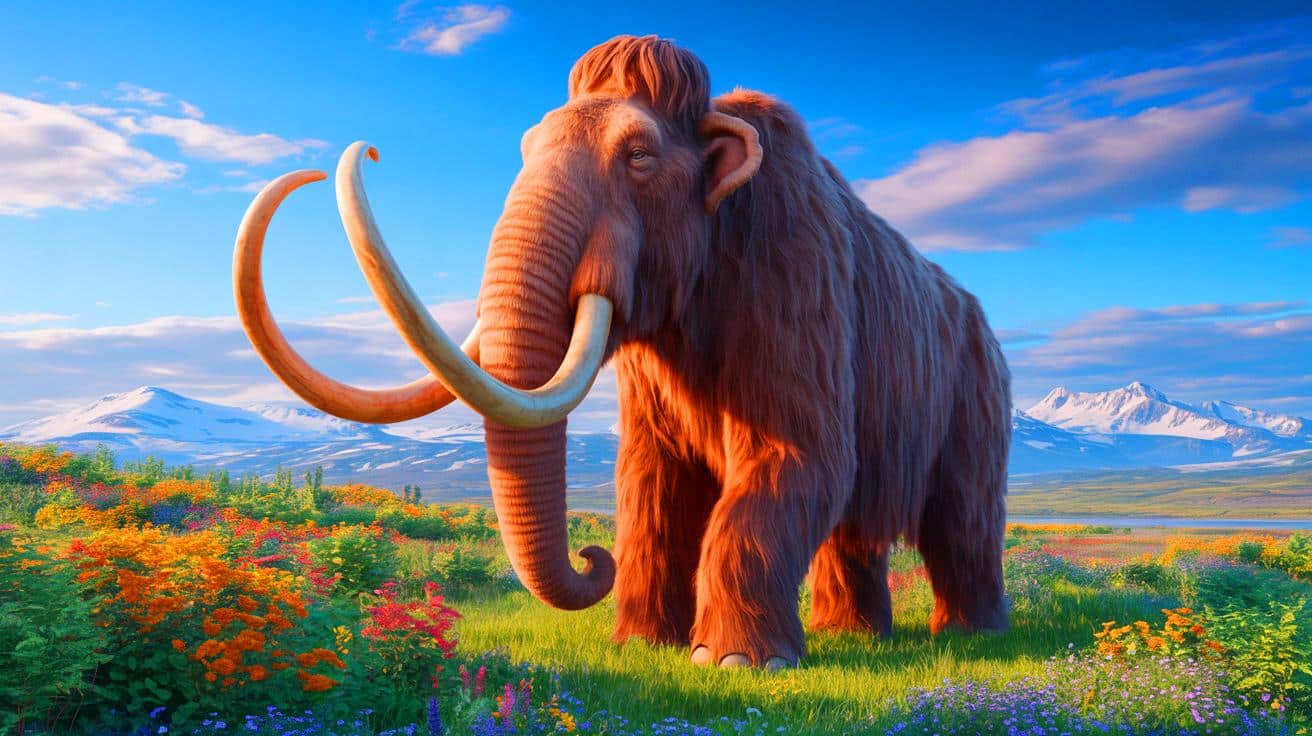
The idea of resurrecting extinct species like the woolly mammoth has long fascinated scientists and the public alike. Recent developments have brought this concept from the realm of science fiction closer to reality. The United States’ Central Intelligence Agency (CIA) has shown interest in the potential of advanced genetic manipulation tools to achieve such a feat. This interest is not purely scientific; it aligns with broader goals of exploring the possibilities within biotechnology and the bioeconomy. As this initiative gains momentum, it raises important questions about the intersection of science, ethics, and innovation.
A Fascination with DNA Sequencing
The concept of bringing woolly mammoths back to life has intrigued researchers for years. Since 2017, Russian scientist Sergey Zimov has been leading efforts to reintroduce these ancient creatures into Siberia’s Pleistocene Park, aiming to restore lost ecosystems. Meanwhile, in the United States, Colossal Biosciences, a biotech company based in Dallas, has embarked on a similar journey. Their goal is to hear the mammoth’s call once more echoing across the tundra.
The involvement of notable figures such as Paris Hilton, Peter Thiel, and Winklevoss Capital in this endeavor highlights the diverse interest in the project. However, the most surprising participant is In-Q-Tel, a venture capital firm founded by the CIA. This firm has shown a keen interest in biotechnologies, particularly DNA sequencing. Their investment suggests a strategic curiosity about the potential applications of these technologies beyond mere scientific curiosity.
What is the CIA’s Goal?
Colossal Biosciences is optimistic about using DNA sequencing not only to revive the woolly mammoth but also the thylacine, or Tasmanian tiger. However, according to a blog post by In-Q-Tel, the CIA seems more interested in the broader implications of such biotechnology. Their interest lies in exploring the potential of these technologies to innovate within the bioeconomy.
A key tool in these efforts is CRISPR gene-editing technology. This technology allows scientists to rewrite genetic material, much like optimizing computer code. With a DNA chain containing three billion molecules, CRISPR can remove harmful mutations and introduce beneficial genes. Yet, this capability raises concerns about potential overreach and unforeseen consequences.
Despite these risks, CRISPR is already being applied in various research areas. These include developing treatments for diseases like HIV, enhancing cognitive abilities, and creating therapies to restore sight. The rapid pace of these developments prompts a careful consideration of the ethical boundaries and potential impacts on society.
The Ethical Implications of De-Extinction
The idea of de-extinction, while exciting, is fraught with ethical dilemmas. Bringing back species that have been extinct for thousands of years presents a range of challenges. It raises questions about the ecological impact of reintroducing such species and the potential disruption to current ecosystems.
Moreover, the moral implications of using genetic technology to alter life forms cannot be ignored. There is a fine line between scientific advancement and playing god. The potential for unintended consequences makes it essential to have robust ethical guidelines and regulatory frameworks in place.
As biotech companies push the boundaries of what is possible, society must grapple with these ethical questions. The balance between innovation and responsibility is crucial as we navigate this new frontier of genetic science.
The Future of Biotechnology and Society
The involvement of the CIA in genetic research underscores the strategic importance of biotechnology. As this field evolves, it holds the potential to transform industries, from healthcare to agriculture. However, with great power comes great responsibility.
The challenge lies in harnessing these technologies for the greater good while safeguarding against potential misuse. The conversation around genetic manipulation must involve diverse stakeholders, including scientists, policymakers, ethicists, and the public.
As we stand on the brink of a new era in biotechnology, the choices we make today will shape the future of our society. How we address the ethical, ecological, and societal implications of these advancements will determine the legacy we leave for future generations.
The prospect of resurrecting extinct species like the woolly mammoth offers a glimpse into the future of biotechnology. However, this journey is not without its challenges. As society grapples with the ethical and ecological implications, one crucial question remains: How can we ensure that these scientific advancements benefit humanity while preserving the delicate balance of our natural world?