



| IN A NUTSHELL |
|
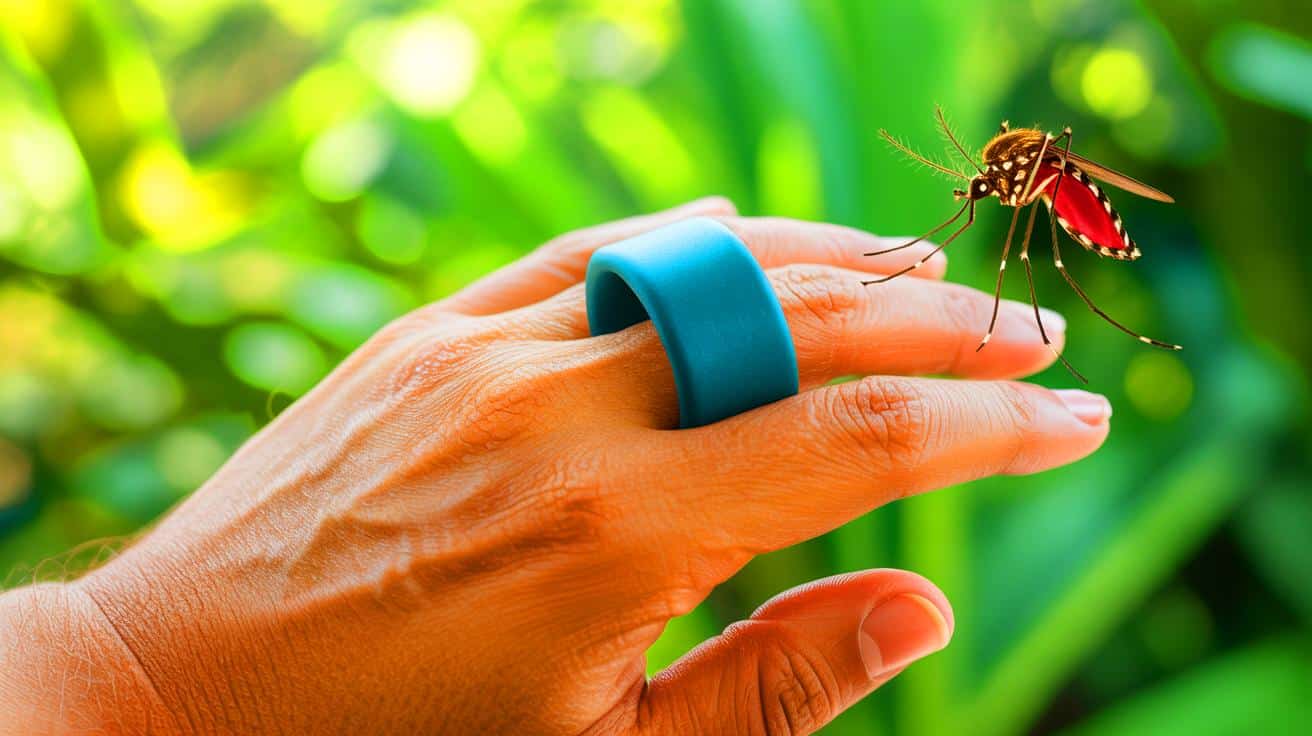
In recent years, the quest for effective mosquito repellents has taken on new urgency. With over one million deaths attributed to mosquito-borne diseases annually, the challenge of finding safe and lasting solutions is critical. A team of German researchers has pioneered a new approach by developing a 3D-printed mosquito repellent that can be worn as a ring or bracelet. This innovation promises to be safer for humans and more environmentally friendly than traditional chemical repellents, opening new avenues for combating these deadly pests.
The Global Mosquito Threat
Mosquitoes are a persistent threat worldwide, with over 3,000 species identified. Despite this vast number, only a handful are primarily responsible for spreading diseases like malaria, dengue, and chikungunya. These diseases pose significant health risks and contribute to the staggering statistic of one million mosquito-related deaths each year. The situation is further exacerbated by climate change, which creates favorable conditions for mosquito proliferation and the diseases they carry.
In response, the market for mosquito repellents has grown rapidly. However, many existing products rely on synthetic chemicals such as DEET, which, while effective, can cause allergic reactions and pose environmental concerns. This has spurred the search for safer alternatives that do not compromise efficacy.
Innovation in Mosquito Repellent Technology
Researchers at Martin Luther University Halle-Wittenberg in Germany have developed a novel solution to the mosquito problem. Their work, published in the International Journal of Pharmaceutics, introduces a repellent made from an organic compound, IR3535, embedded in a wearable accessory. Unlike DEET, IR3535 is not synthetic and is known for its safer profile.
The device utilizes 3D printing technology to create a ring or bracelet from polylactic acid (PLA), a biodegradable polymer. This design allows for the gradual release of the repellent, extending its effectiveness beyond the typical few hours associated with natural repellents. The team’s research indicates that the repellent can last up to a week at a body temperature of 37°C, marking a significant advancement in the field.
Challenges and Future Directions
While the initial results of the German researchers are promising, several challenges remain. The effectiveness of the device in real-world conditions is still under examination. Variables such as temperature, humidity, and individual body heat can influence the rate of repellent release, necessitating further investigation to optimize performance.
Moreover, the scalability of producing these 3D-printed repellents on a large scale needs to be assessed. The cost, accessibility, and public acceptance of wearing such accessories are crucial factors that will determine the widespread adoption of this technology. Future research will need to address these aspects to realize the full potential of this innovative approach.
Implications for Public Health
The development of a safer and more sustainable mosquito repellent has significant implications for public health. As mosquito-borne diseases continue to pose a global threat, particularly in vulnerable regions, innovations like this offer new hope. By reducing reliance on synthetic chemicals, the environmental impact of pest control can be minimized, aligning with broader sustainability goals.
Furthermore, the wearable nature of these 3D-printed devices makes them a practical solution for individuals living in high-risk areas. As research progresses, the integration of such technology into existing public health strategies could enhance efforts to curb the spread of mosquito-borne diseases. The potential to save lives and improve quality of life is substantial, highlighting the importance of continued investment in this field.
The advent of 3D-printed mosquito repellents marks a significant step forward in the fight against mosquito-borne diseases. As researchers continue to refine this technology and explore its applications, the questions remain: How will these innovations be integrated into global health strategies, and what impact will they have on reducing the burden of mosquito-related illnesses? The answers could shape the future of public health and environmental sustainability.