




| IN A NUTSHELL |
|
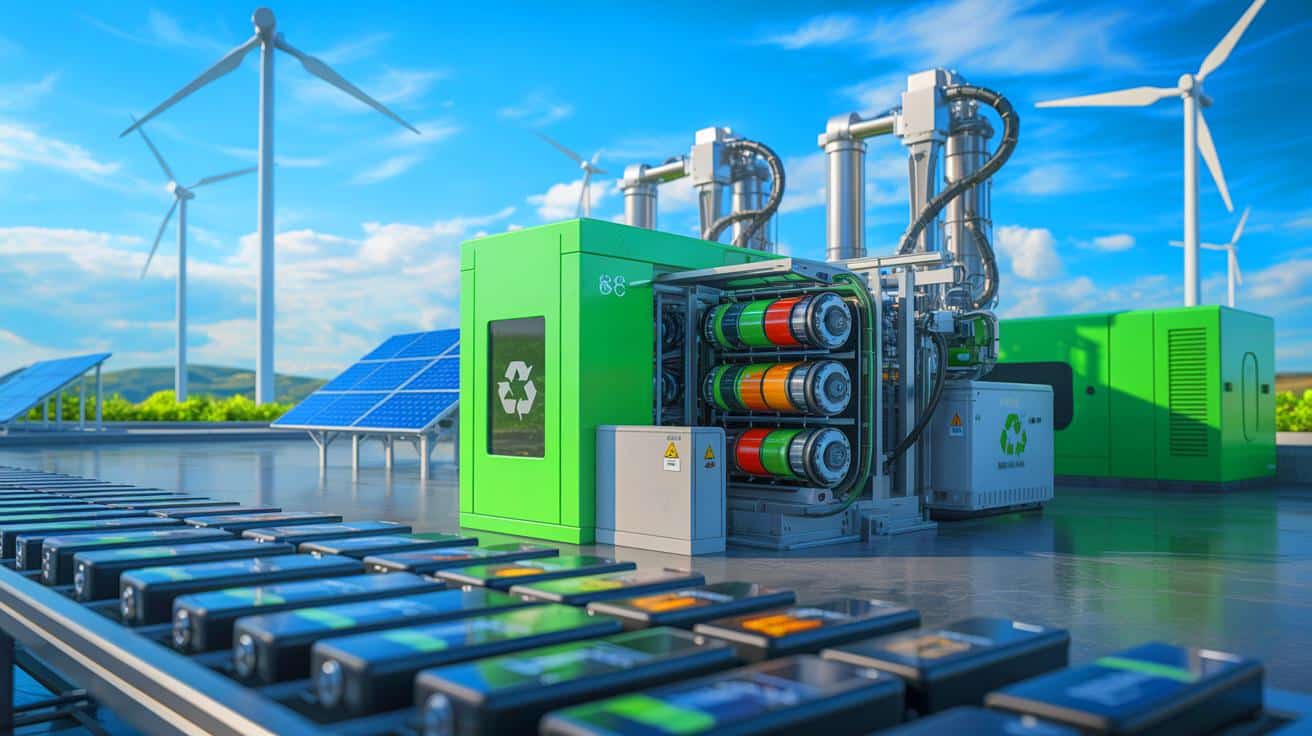
In an era where sustainable energy solutions are gaining momentum, a groundbreaking development from the Worcester Polytechnic Institute (WPI) promises to redefine battery recycling. Researchers at WPI have introduced a new approach to recycling lithium-ion batteries that is both clean and scalable. This method not only addresses environmental concerns but also supports the global shift towards renewable energy. As nations strive to meet ambitious sustainability targets, the necessity for efficient energy storage solutions becomes increasingly apparent. Lithium-ion batteries, known for their high energy density, are pivotal in this transition. The innovation at WPI could significantly enhance the durability and recyclability of these essential energy storage systems.
Pioneering Recycling Techniques
The recycling of lithium-ion batteries has been a complex and costly process, often resulting in environmental waste. However, WPI’s new method promises a shift in this narrative. By focusing on a clean and scalable recycling process, the researchers have addressed two major hurdles in battery recycling: environmental impact and economic feasibility. This development is poised to revolutionize the industry, offering a method that is both efficient and sustainable.
Traditional recycling methods often fail to recover a significant portion of the valuable metals within lithium-ion batteries. WPI’s approach not only maximizes metal recovery but also minimizes the release of harmful substances. This innovation could serve as a blueprint for future recycling practices worldwide. As the demand for electric vehicles and renewable energy storage increases, so does the need for effective recycling solutions.
The Role of Lithium-Ion Batteries
Lithium-ion batteries have emerged as the leading choice for energy storage due to their high energy density and scalability. They are used extensively in various applications, from smartphones to electric vehicles. Their ability to store large amounts of energy in a compact form makes them ideal for use in renewable energy systems.
However, the widespread adoption of lithium-ion batteries also poses challenges, particularly concerning their disposal and recycling. Efficient recycling processes are necessary to ensure a sustainable supply chain. As the global community continues to invest in renewable energy infrastructure, the importance of developing robust recycling techniques becomes increasingly apparent.
The new approach developed by WPI could play a critical role in securing the future of sustainable energy storage.
Meeting Global Sustainability Goals
Many countries are setting ambitious sustainability targets, aiming to reduce carbon emissions and transition to renewable energy sources. The development of efficient energy storage solutions is crucial to achieving these goals. Lithium-ion batteries, with their ability to store and discharge energy on demand, are central to this effort.
WPI’s innovative recycling method aligns with global efforts to create a circular economy, where resources are reused and recycled to minimize waste. This approach not only reduces the environmental impact of battery disposal but also ensures the availability of critical materials for future use. As nations work towards their sustainability goals, advancements like these are vital for success.
The Future of Energy Storage
The transition to renewable energy is a complex challenge that requires innovation across multiple sectors. Energy storage is a key component of this transition, enabling the effective use of renewable sources like solar and wind. As technologies evolve, so too must the methods for managing and recycling energy storage systems.
WPI’s breakthrough in lithium-ion battery recycling represents a significant step forward. By improving the efficiency and sustainability of recycling processes, this approach supports the broader goal of a sustainable energy future. With ongoing research and development, the potential for even greater advancements in energy storage and recycling is immense. The future of sustainable energy depends on such innovations.
As the global community continues to grapple with the challenges of climate change and sustainability, the need for effective energy storage solutions becomes more urgent. The work being done at institutions like WPI highlights the importance of innovation in this field. What new breakthroughs will further revolutionize energy storage and recycling in the coming years?