



| IN A NUTSHELL |
|
The ancient Wari civilization, which thrived in the Andean region from 600 to 1000 AD, is drawing renewed attention due to recent findings regarding their use of psychedelics. According to a groundbreaking study, the Wari may have employed psychedelic-infused beer as a strategic tool for empire-building. This revelation sheds light on the sophisticated methods used by pre-Incan societies to maintain and expand their influence. The study suggests that these psychoactive gatherings were more than mere social events, they were deliberate diplomatic maneuvers designed to foster unity and loyalty within the empire.
The Cultural and Political Context of the Wari Civilization
The Wari civilization is recognized for its extensive administrative network that connected disparate territories within the Andes. Unlike other empires that relied solely on military might or bureaucratic governance, the Wari may have used psychedelics as a means of consolidating power. Dr. Elena Rossi of the University of Cambridge highlights that power in the Wari empire “did not just flow through roads and bureaucrats.” Instead, they cultivated connections that were both physical and psychological.
In the context of an expanding empire marked by potential violence and discord, the use of psychedelics in ceremonial drinks could have played a crucial role. These substances may have helped reduce animosity and foster a sense of community among the Wari people. The study posits that the lingering effects of these psychoactive substances could have contributed to the legitimization and consolidation of Wari power, providing a unique insight into their political strategies.
The Psychedelic Brew: Vilca
The key to the Wari’s psychedelic strategy lies in a brew known as Vilca. This concoction was made from the seeds of the Anadenanthera colubrina tree, which contains the psychoactive compound butofenin, mixed with berries from the Schinus mole plant. The effects of Vilca are described as similar to those of ayahuasca, a well-known psychedelic brew. Dr. Justin Jennings, a senior curator at the Royal Ontario Museum, has been at the forefront of this research, uncovering evidence of Vilca’s use dating back 4,000 years.
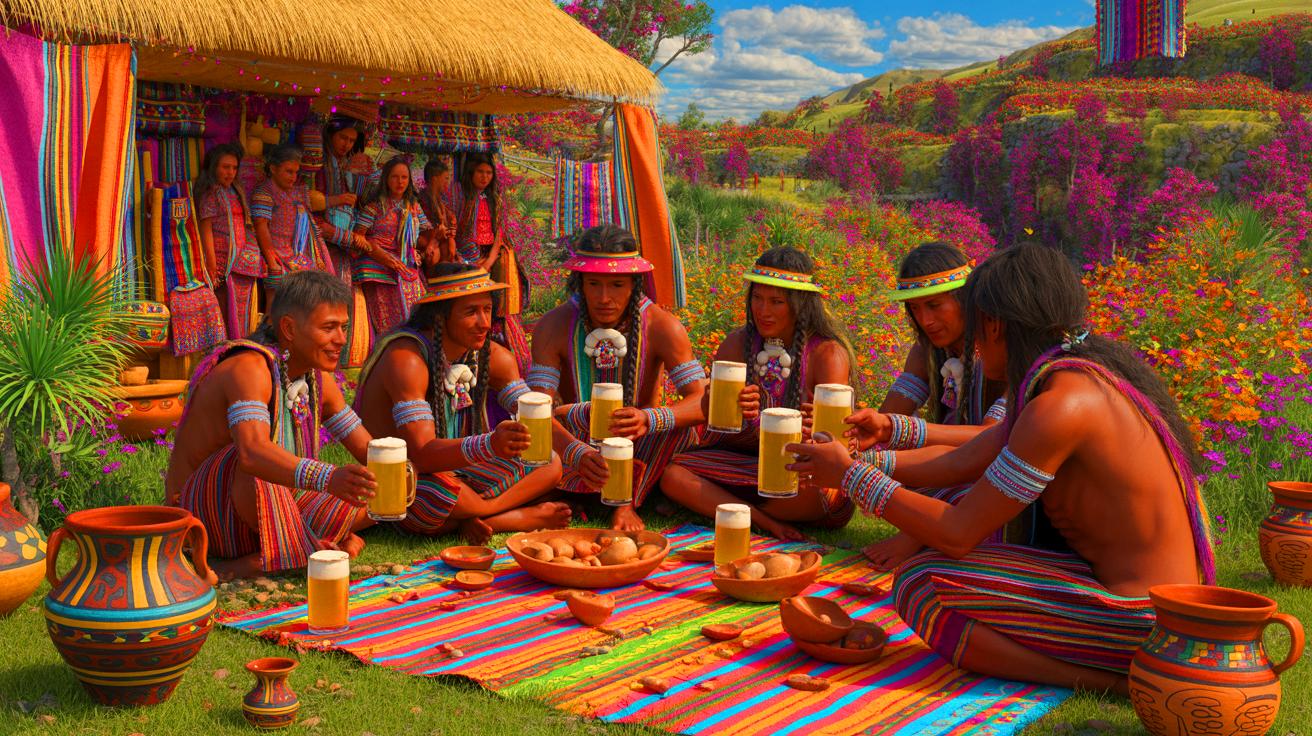
Archaeobotanical evidence suggests that the Wari combined Vilca with molle, a plant used to make beer, creating a milder concoction suitable for communal gatherings. This mixture was likely served during special feasts, where Wari leaders could engage in diplomacy and strengthen social bonds. Jennings notes that the beer’s alcohol content would have tempered the psychedelic effects, facilitating a more controlled and productive environment for fostering alliances and goodwill.
Controversy and Reception in the Academic Community
Despite the intriguing findings, the study has sparked debate among archaeologists and historians. Some experts question the novelty of the research, pointing out that many Andean societies historically used intoxicating substances for political purposes. The notion of using psychedelics for diplomatic ends is not entirely new, but what sets this study apart is its focus on the potential long-term psychological impacts of such practices.
Critics argue that more evidence is needed to substantiate the claims about the specific use of Vilca in Wari rituals. The study’s authors acknowledge this gap, emphasizing the need for further investigation to detect traces of these psychoactive substances in pottery used in these gatherings. Nonetheless, the study provides a compelling narrative that challenges conventional understandings of how ancient empires maintained power and cohesion.
The Legacy of Psychedelics in Ancient Political Systems
The use of psychedelics by the Wari civilization is a testament to the complex interplay between culture, politics, and psychoactive substances. As modern societies grapple with the resurgence of interest in psychedelics, this historical perspective offers valuable insights into their potential applications beyond recreational or therapeutic contexts. The Wari’s innovative use of psychedelics to foster unity and collaboration highlights the multifaceted roles these substances have played throughout history.
As research into the ancient use of psychedelics continues, it raises questions about the broader implications for contemporary society. Could modern political systems learn from the Wari’s approach to diplomacy and community-building? The study invites us to reconsider the potential benefits and risks of integrating psychedelics into modern governance and social practices, prompting further exploration into this intriguing aspect of human history.
The study of the Wari civilization’s use of psychedelics opens up new discussions about the intersection of culture, politics, and psychoactive substances. The notion that ancient societies could have used such methods to maintain and expand their empires challenges traditional narratives. As we continue to explore the historical applications of psychedelics, we are left with a thought-provoking question: How might the lessons from ancient civilizations like the Wari inform our understanding of community-building and governance in the modern world?