




| IN A NUTSHELL |
|
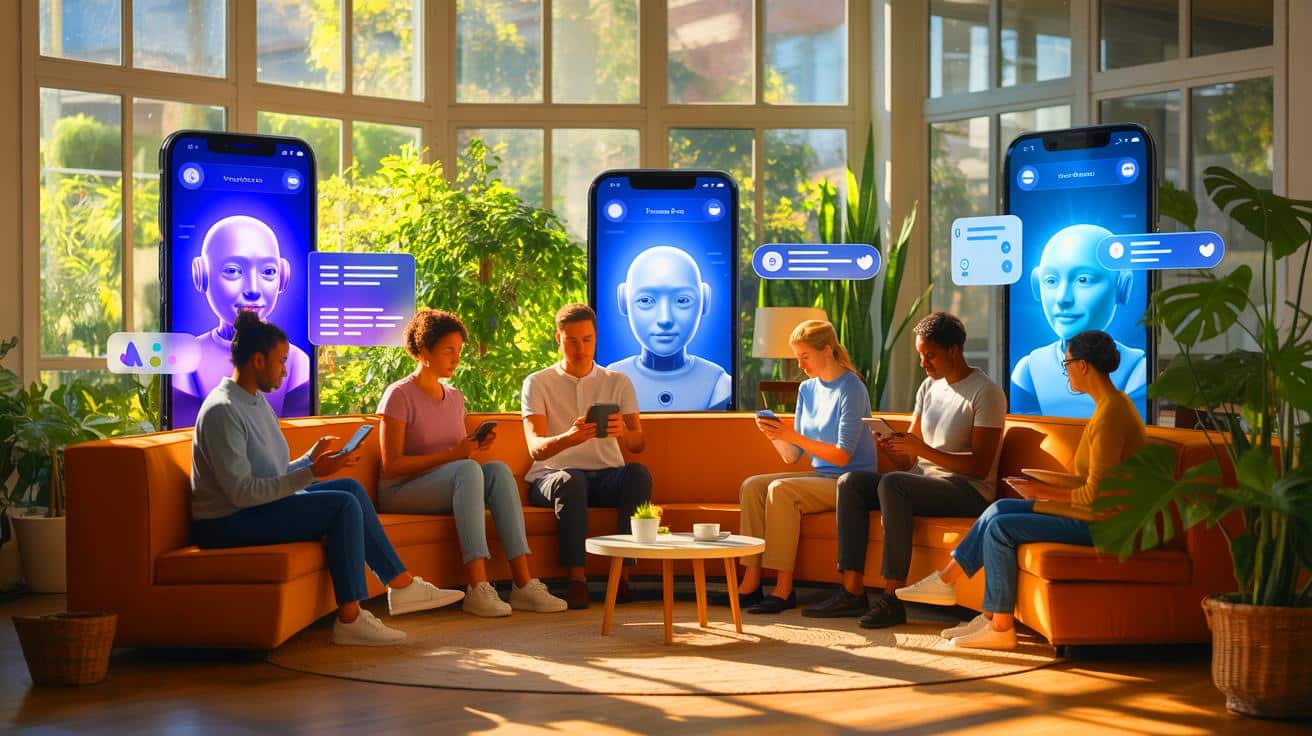
In recent years, the rise of artificial intelligence (AI) chatbots as therapeutic tools has sparked a heated debate among mental health professionals and the general public alike. As the technology behind these chatbots rapidly evolves, they are increasingly being viewed as viable alternatives to traditional therapy, despite the skepticism from some quarters. The convenience and accessibility of AI-driven therapy, particularly in a post-pandemic world where mental health services are often strained, make these digital companions an attractive option for many individuals seeking support.
The Rise of AI Chatbots in Therapy
The concept of using AI for therapy is not entirely new. The journey began with ELIZA, a primitive chatbot developed in the 1960s that simulated conversation but was limited in its capabilities. Fast forward to today, and we have advanced models like ChatGPT-4, Claude, and Gemini, which offer much more sophisticated interactions. These chatbots are increasingly being integrated into therapeutic settings, where their ability to provide immediate responses and a sense of anonymity is valued.
According to Kevin Roose, host of the Hard Fork podcast, “The immediacy of AI chatbots makes them an attractive alternative to human-to-human therapy that is expensive and often inconvenient.” This sentiment captures the growing appeal of AI chatbots in therapy, as they offer a level of accessibility that traditional therapy often lacks. With the cost of in-person therapy sessions ranging from $100 to $300 and long wait times for appointments, chatbots present a more accessible option for many.
Addressing the Mental Health Crisis
The COVID-19 pandemic has exacerbated the mental health crisis, with many individuals struggling to access timely care. A 2022 survey revealed that 60% of psychologists in the U.S. had no openings for new patients, and over 40% had more than ten patients waiting for appointments. This shortage has left many seeking alternative solutions, and AI chatbots have stepped in to fill the gap.
For individuals with conditions such as autism spectrum disorder (ASD) and attention-deficit/hyperactivity disorder (ADHD), traditional therapy can be challenging due to difficulties in processing social cues. Researchers have noted that “Many people with ASD or ADHD have difficulties around processing social cues regarding their impact on others.” AI chatbots, by providing a sense of anonymity and confidentiality, can offer a valuable outlet for individuals who may be hesitant to seek in-person help.
The Promise and Limitations of AI Therapy
AI chatbots, such as Claude by Anthropic, have been designed to provide more intuitive and empathetic interactions. Claude has been embraced by some as a go-to bot-therapist, particularly among tech professionals in Silicon Valley. The bot’s ability to engage in nuanced conversations has been praised by users who find its responses to be more human-like and less robotic.
However, the limitations of AI therapy should not be overlooked. As UNSW Sydney Professor Jilly Newby points out, “One of the limitations of AI therapy is that not everyone benefits from CBT, and if you’re not going to benefit from CBT, you’re not going to benefit from an AI version of it.” This highlights the need for a personalized approach to therapy, which AI chatbots are still developing.
Ethical Considerations and Future Directions
While AI chatbots offer promising support, ethical concerns remain. Critics argue that AI “friends” cannot fully replace human interactions and should be viewed as complementary rather than primary sources of therapy. UNSW psychology researcher Gail Kenning emphasizes the importance of human connections, stating, “A human connection is really important for a lot of people, and properly trained mental health clinicians can establish a human connection and establish empathy.”
As AI technology continues to advance, the potential for more personalized and effective chatbot therapy increases. However, the integration of AI into mental health care must be approached with caution, ensuring that it complements rather than replaces traditional therapeutic practices. The development of artificial general intelligence (AGI) could further revolutionize this field, but it also raises questions about the future of human-AI interactions.
The integration of AI chatbots into mental health care presents both opportunities and challenges. As these digital companions become more prevalent, it is essential to consider their role in the broader context of mental health services. How can we ensure that AI chatbots provide effective support while preserving the value of human interaction in therapy? This question remains at the forefront of discussions as we navigate the evolving landscape of mental health care in the digital age.