



| IN A NUTSHELL |
|
In a groundbreaking achievement, scientists at Vanderbilt University Medical Center have developed a revolutionary technique called rapid recovery with extended ultra-oxygenated preservation (REUP) to revive donor hearts that were once considered unusable. This innovative approach bypasses the ethical and financial challenges typically associated with heart transplants from donors after circulatory death (DCD). By eliminating the need for costly machines and controversial reanimation methods, REUP promises to transform heart transplantation and expand the pool of viable donor hearts worldwide.
No Pulse, No Problem: The REUP Innovation
The REUP technique represents a significant advancement in the field of heart transplantation. Traditionally, DCD heart transplants have been limited due to the complex ethical issues involved in reanimating hearts within donors’ bodies and the high costs of perfusion machines that mimic heart function externally. Vanderbilt’s REUP method offers a simpler, more cost-effective alternative.
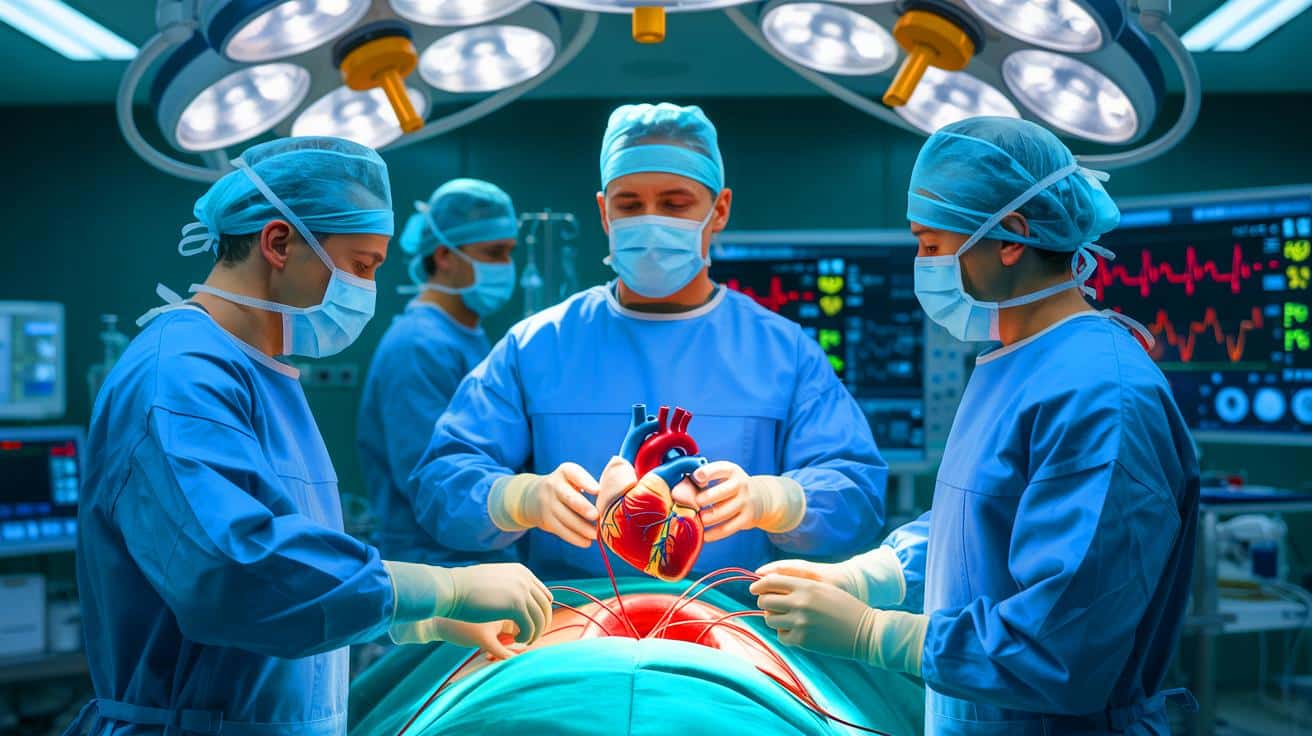
REUP involves the use of a cold, oxygen-rich preservation solution to flush the donor heart shortly after death. This process preserves the heart’s tissue without reanimating it, effectively sidestepping the ethical concerns that have hindered DCD transplants. Dr. Aaron Williams, the study’s lead author, describes this technique as a potential worldwide game-changer. Since November 2024, Vanderbilt has successfully used REUP in 20 heart transplants, achieving outcomes comparable to current standards. The technique not only improves transplant success but also has the potential to unlock hundreds of viable donor hearts annually.
Hearts on Ice: The REUP Method
The REUP method employs an innovative approach by oxygenating a chilled preservation solution, which includes packed red blood cells, del Nido cardioplegia, and other additives. This solution is then flushed through the donor heart shortly after death, effectively halting cellular decay and reducing inflammation. By doing so, the heart tissue is preserved during transport without the need for reanimation.
This technique addresses two of the most significant barriers to DCD heart adoption: the prohibitive cost of perfusion machines and the ethical gray areas surrounding in-body reanimation. As a result, regions with limited resources or stricter transplant protocols stand to benefit immensely from this transformative approach. Vanderbilt’s team has demonstrated that hearts preserved with REUP can remain viable for up to eight hours, providing surgeons with a more extended timeframe to recover, transport, and transplant donor organs.
Expanding the Potential of Organ Transplants
Before 2020, Vanderbilt’s transplant program primarily accepted organs from brain-dead donors. However, the institution has since emerged as a leader in DCD heart transplantation, driven by innovations in organ preservation. REUP is the latest and most promising breakthrough in this evolution, with potential applications beyond heart transplants.
Researchers are optimistic that REUP could be adapted for other organs, including livers, kidneys, lungs, and even pediatric transplants. This expansion could revolutionize organ transplantation as a whole, offering hope to patients awaiting life-saving procedures. The findings, published in the New England Journal of Medicine, underscore REUP’s potential to reshape the future of organ transplantation.
Global Impact and Future Prospects
The development of REUP is a testament to the relentless pursuit of innovative solutions in the field of medicine. By addressing the ethical and financial challenges associated with DCD heart transplants, Vanderbilt’s researchers have paved the way for significant advancements in organ transplantation. As the medical community continues to explore the potential applications of REUP, patients worldwide may soon benefit from increased access to viable donor organs.
With the possibility of adapting REUP for other organs, the technique holds the potential to save countless lives and alleviate the burden on organ transplant waiting lists. As we look to the future, one question remains: how will this groundbreaking technique continue to evolve and shape the landscape of organ transplantation?