




| IN A NUTSHELL |
|
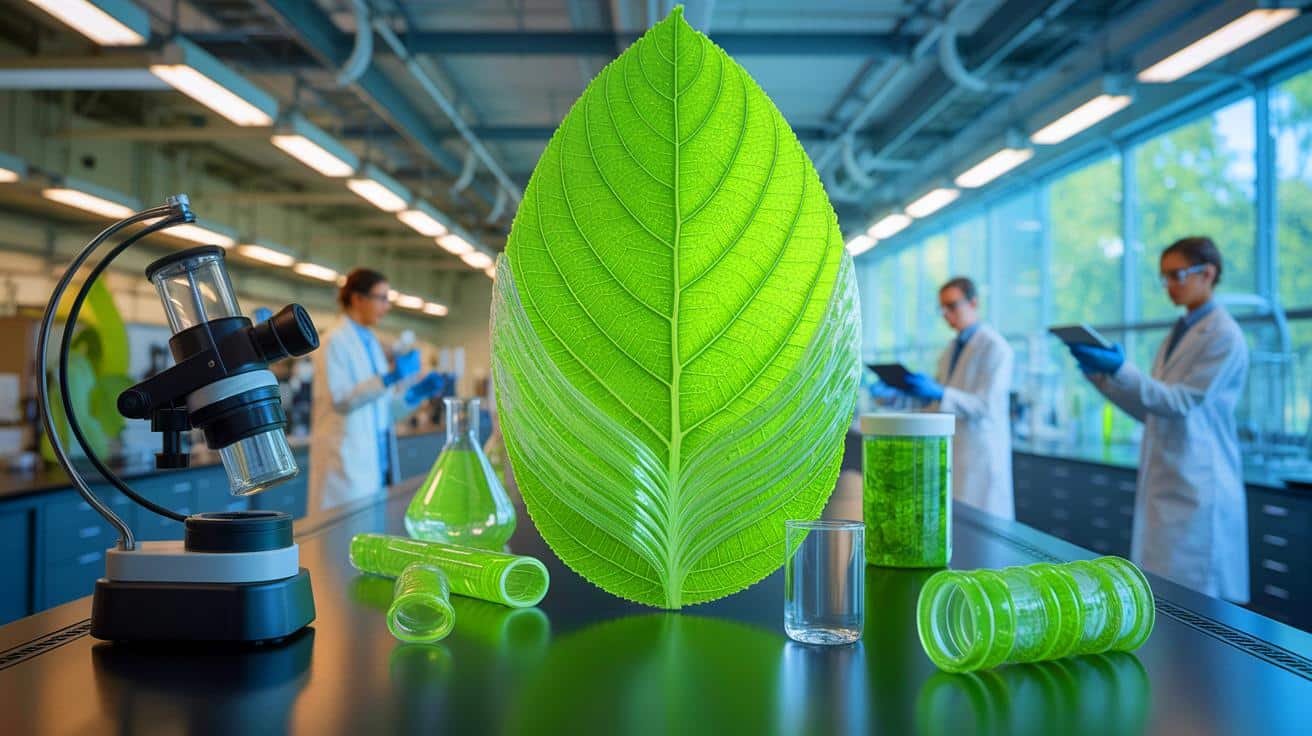
The demand for environmentally friendly packaging solutions has never been higher, as industries and consumers alike seek alternatives to traditional plastics. Enter LEAFF, a groundbreaking bioplastic innovation from Washington University in St. Louis. Designed to mimic the natural structure of a leaf, this new material promises strength comparable to petroleum-based plastics, while offering the added benefit of biodegradability. This development holds the potential to revolutionize the packaging industry by offering a sustainable option that does not compromise on performance.
The Science Behind LEAFF
LEAFF, short for Layered, Ecological, Advanced, and multi-Functional Film, is a bioplastic that addresses two major limitations of existing biodegradable plastics: insufficient strength and the necessity for industrial composting. The team led by Joshua Yuan, a professor at the McKelvey School of Engineering, achieved this by embedding cellulose nanofibers between layers of bioplastic. This unique leaf-like design not only enhances the material’s tensile strength but also improves its barrier properties against water and air.
Puneet Dhatt, a PhD student and a key contributor to the project, highlights that LEAFF surpasses traditional petrochemical plastics like polyethylene in strength. The innovative design also allows for direct printing on the material’s surface, eliminating the need for separate labels and further reducing packaging costs. This multifunctional approach positions LEAFF as a viable contender in the packaging industry, offering a blend of durability and ecological responsibility.
Transforming Waste into Value
LEAFF’s sustainability extends beyond its biodegradable nature. The research team is exploring the use of agricultural waste as feedstock for bioplastic production. Lignin, corn fermentation byproducts, and even carbon dioxide are being considered for conversion into valuable materials. By integrating these waste products into the production cycle, the team aims to support a circular economy, turning environmental challenges into economic opportunities.
The potential economic benefits are significant, particularly for the United States, which boasts a robust agricultural sector capable of supplying affordable feedstock for bioplastics. As global attention shifts toward reducing reliance on petroleum-based plastics, LEAFF could position the U.S. as a leader in sustainable packaging solutions, creating new jobs and markets in the process.
Industry Implications and Global Impact
The introduction of LEAFF comes at a crucial time for the $23.5 billion packaging industry, which faces increasing pressure to adopt greener practices. With its superior strength and biodegradability, LEAFF offers a scalable alternative to conventional plastics, aligning with global sustainability goals. This innovation not only addresses environmental concerns but also presents a competitive edge for companies looking to enhance their eco-friendly credentials.
Moreover, LEAFF’s potential applications extend beyond packaging. Its adaptability and multifunctionality make it suitable for various industries, from food packaging to consumer goods. As research and development continue, the scope for LEAFF’s integration into different sectors could expand, further solidifying its role in sustainable innovation.
The Road Ahead for Bioplastics
Despite the promising features of LEAFF, challenges remain in scaling production and ensuring widespread adoption. The transition from petroleum-based plastics to bioplastics involves overcoming logistical and economic barriers. However, the ongoing research at Washington University and collaborations with industry partners are steps toward addressing these hurdles.
As the bioplastic industry evolves, innovations like LEAFF will be crucial in steering the market toward more sustainable practices. The journey toward a plastic-free future is complex, but breakthroughs in materials science provide a hopeful outlook. The question now is how quickly and effectively can industries integrate these innovations to meet the growing demands for sustainability?
LEAFF represents a significant advancement in bioplastic technology, offering a blend of strength and sustainability that could redefine the packaging industry. By leveraging agricultural waste and contributing to a circular economy, it aligns with global efforts to reduce plastic waste and environmental impact. As industries worldwide seek greener alternatives, the potential for LEAFF is vast. How will businesses and policymakers respond to this opportunity to innovate and lead in sustainable practices?

Wow, this LEAFF thing sounds amazing! 🌿 But how long does it take to biodegrade compared to traditional plastics?
As much as I love the idea, I’m worried about the cost. Will it be affordable for small businesses?
Are there any potential health concerns with using agricultural waste for bioplastics? 🤔
These breakthroughs are incredible! Thanks to the scientists pushing for a greener planet! 🌎
Call me skeptical, but hasn’t this been tried before? What makes LEAFF different?
LEAFF is impressive, but what about the energy used in its production? Is it truly sustainable?
Can LEAFF be used for more than just packaging? Like maybe in construction or electronics?
This could be revolutionary! But what happens if it doesn’t degrade as expected in the environment?