


| IN A NUTSHELL |
|
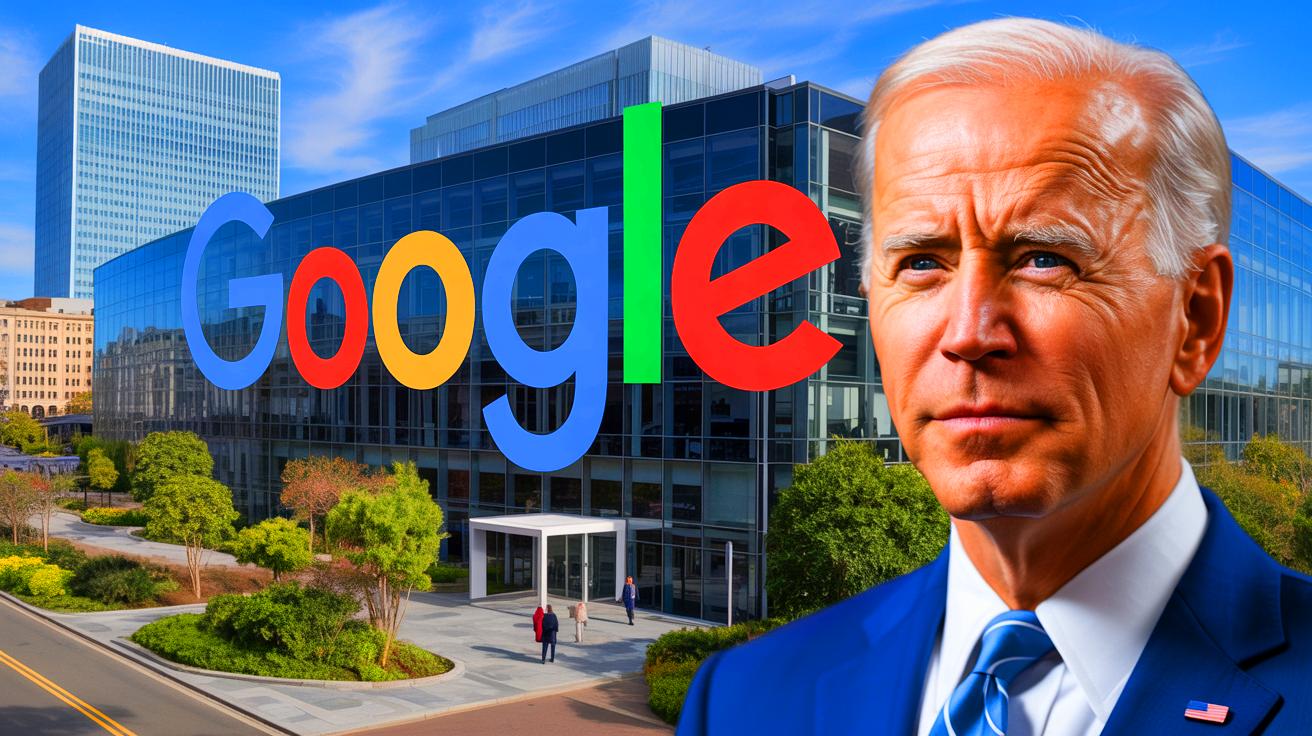
In a significant policy reversal, Google has announced that it will allow YouTube accounts previously banned for political speech to be reinstated. This decision comes amidst revelations that the Biden administration had exerted pressure on the company to remove content related to COVID-19 and elections. The move is seen as a major shift in how political content is moderated on the platform, potentially affecting both everyday users and high-profile figures. The development underscores ongoing debates about the balance between free expression and content moderation in the digital age, raising questions about the role of government influence on media platforms.
Behind the Biden Pressure
The recent disclosure by Google highlights the extent of pressure exerted by the Biden administration to influence content moderation policies on YouTube. A document submitted to the House Judiciary Committee reveals that senior officials had engaged in repeated outreach efforts to persuade Google to remove specific content. This content, while not violating the platform’s policies, was deemed concerning due to its potential to spread misinformation related to COVID-19 and elections.
The revelation paints a picture of a political atmosphere where external forces sought to sway corporate actions. Google’s legal representation described these pressures as “unacceptable and wrong,” emphasizing the company’s commitment to maintaining autonomy in its moderation decisions. The tech giant also clarified its stance against employing third-party fact-checkers to police content, aligning with Meta’s recent decision to welcome more diverse voices on its platform.
Google’s position reflects broader concerns about international censorship laws, particularly the European Union’s Digital Services Act, which could compel American companies to remove content deemed lawful under U.S. standards. This tension between governmental influence and corporate independence remains a contentious topic in the ongoing discourse about digital rights and freedoms.
Congressional Investigations Continue
The revelations about government pressure on tech companies come amid a Republican-led investigation by the House Judiciary Committee into alleged censorship practices. The inquiry seeks to uncover the extent to which major platforms may have been coerced into moderating content, particularly during sensitive political periods.
Parallel legal challenges have also emerged, with two Republican attorneys general pursuing a lawsuit over social media censorship. However, the Supreme Court recently dismissed the case, citing a lack of standing in Murthy v. Missouri. Despite this setback, lower courts had previously expressed concern over the federal government’s role, with one judge likening it to an Orwellian “Ministry of Truth.”
These discussions about governmental influence, often referred to as jawboning, have resurfaced in various contexts. Notably, the suspension of Jimmy Kimmel’s late-night show following controversial remarks further illustrated the complex interplay between media entities and regulatory bodies. As such, Google’s policy shift reflects ongoing tensions between ensuring free expression and adhering to external pressures.
The Impact on Creators
The reinstatement of banned YouTube accounts marks a turning point for many creators who have faced the consequences of stringent content moderation policies. Among those affected are high-profile figures such as former FBI Deputy Director Dan Bongino, White House counterterrorism chief Sebastian Gorka, and War Room podcast host Steve Bannon. These individuals, previously banned for violating policies related to COVID-19 and election misinformation, now have an opportunity to reclaim their platforms.
Dan Bongino, whose account was permanently terminated in 2022, experienced a surge in popularity on alternative platforms like Rumble following his ban. The latest development may influence his decision to re-engage with YouTube, as he navigates his role within the current administration. Similarly, other creators may find renewed prospects for engagement and discourse as they return to the platform.
This policy change also signals a broader shift in YouTube’s approach to content moderation, emphasizing the importance of diverse perspectives in civic discourse. By offering a pathway for creators to rejoin the platform, Google acknowledges the nuanced challenges of balancing free expression with the responsibility to mitigate misinformation.
Engineer Transforms $20 Vape Pen Into Mini Web Server, But Can It Handle 1,000 Users Simultaneously?
Future Implications for Tech Regulation
Google’s decision to reinstate previously banned YouTube accounts could have far-reaching implications for the future of tech regulation. As debates about content moderation and free speech continue, the company’s stance highlights the complexities of navigating government influence and digital rights in a rapidly evolving landscape.
The move may prompt other tech giants to reevaluate their policies and practices, particularly as scrutiny from regulatory bodies intensifies. With emerging legislation such as the Digital Services Act posing new challenges, companies must balance compliance with international standards while safeguarding the principles of free expression.
As policymakers and industry leaders grapple with these issues, the conversation surrounding digital rights is likely to evolve further. The intersection of technology, governance, and individual freedoms remains a dynamic and contentious arena, with implications for both creators and consumers worldwide.
As Google opens the door for previously banned creators to return to YouTube, the decision raises important questions about the future of content moderation and free speech online. How will this policy shift influence other platforms, and what role will government regulation play in shaping the digital landscape in the years to come?