



| IN A NUTSHELL |
|
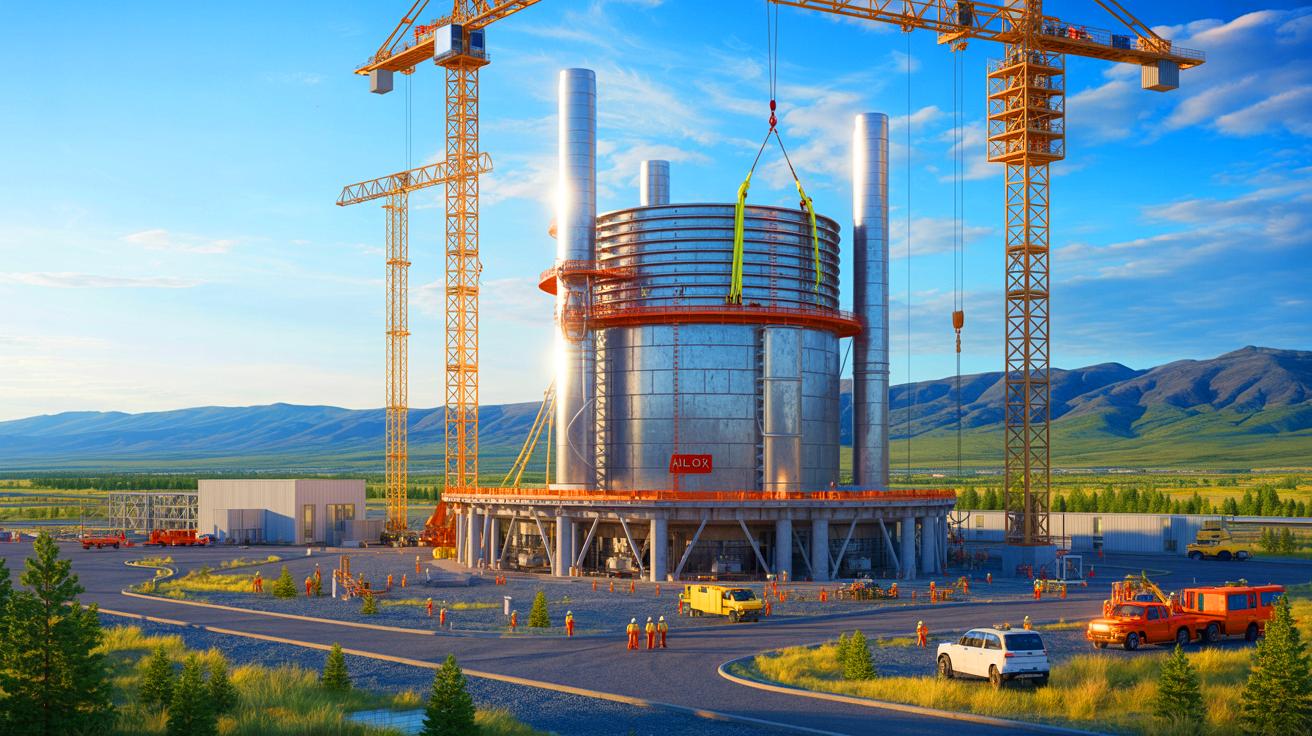
The United States is embarking on a new era of nuclear energy with the construction of its first experimental extra modular nuclear reactor (XMR) in over four decades. Spearheaded by Aalo Atomics, a startup founded in 2023, the Aalo-X facility is being erected next to the Idaho National Laboratory’s Materials and Fuels Complex in Idaho Falls. This ambitious project aims to address the burgeoning energy demands driven by artificial intelligence and data centers. The completion target is set for July 4, 2026, underscoring the potential for rapid deployment of small, modular nuclear reactors in modern energy systems.
The Role of Aalo Atomics in Nuclear Innovation
Founded in Austin, Texas, Aalo Atomics is at the forefront of a revolutionary approach to nuclear energy. The company has garnered attention by being selected for the Nuclear Reactor Pilot Program, a pivotal initiative announced by President Trump’s administration in June 2025. This program is designed to expedite the testing and approval of cutting-edge nuclear technologies outside traditional national laboratories.
Under the leadership of cofounder and CEO Matt Loszak, Aalo Atomics has raised over $136 million from notable investors including Valor Equity Partners and NRG Energy. The startup’s rapid progress is exemplified by its extensive 40,000-square-foot pilot factory in Austin, which is tasked with manufacturing the components necessary for the Aalo-X reactor.
The Aalo-X project is not just another nuclear reactor; it represents a significant milestone as the first sodium-cooled reactor to be built in the United States in over forty years. Yasir Arafat, Aalo’s cofounder and CTO, emphasizes the reactor’s importance, drawing on his experience leading the Department of Energy’s MARVEL reactor project.
Addressing the Energy Needs of Artificial Intelligence
The Aalo-X reactor is a precursor to a broader vision, the Aalo Pod, a 50-megawatt modular power plant tailored for data centers. Each pod comprises five Aalo-1 reactors, which are factory-built, sodium-cooled, and fueled by low-enriched uranium dioxide. This design offers scalability and flexibility, crucial for meeting the energy demands of modern AI-driven operations.
A significant advantage of the Aalo Pod system is its independence from external water sources, allowing for power expansion to gigawatt scales without necessitating major infrastructure changes. This innovative approach positions Aalo Atomics to effectively support the exponential growth in electricity demand driven by artificial intelligence and data centers.
“Today’s groundbreaking symbolizes the progress that can be achieved when innovation, vision, and national purpose come together.”, John Wagner, director of the Idaho National Laboratory.
Implications for the Future of U.S. Energy
The construction of Aalo-X is more than a technological endeavor; it is a significant development in the landscape of American energy innovation. John Wagner, director of the Idaho National Laboratory, views the project as a testament to the power of combining innovation with national purpose.
As policymakers seek low-carbon energy solutions, Aalo’s approach demonstrates how startups are revitalizing nuclear energy discussions in the U.S. Aalo’s ability to meet its aggressive timeline will not only mark a technical achievement but also a regulatory milestone, potentially setting new precedents for nuclear innovation.
The company’s efforts reflect a broader trend of startups driving critical advancements in energy technology, highlighting the role of private enterprise in addressing national and global energy challenges.
Challenges and Opportunities Ahead
While the potential benefits of the Aalo-X project are substantial, the venture is not without its challenges. The regulatory landscape for nuclear energy in the United States is complex, with safety and environmental considerations requiring meticulous attention. Aalo Atomics must navigate these hurdles to achieve its ambitious goals.
Furthermore, public perception of nuclear energy continues to be a point of contention. Aalo Atomics must engage in effective communication to address concerns and highlight the environmental benefits of their technology. Success in these areas could pave the way for broader acceptance and adoption of modular nuclear reactors.
The future of nuclear energy in the United States may well depend on the outcomes of projects like Aalo-X, which offer a glimpse into a more sustainable and technologically advanced energy landscape.
The journey of Aalo Atomics and its groundbreaking Aalo-X reactor is emblematic of a new wave of innovation in nuclear energy. As the company moves forward, it faces a landscape of both promise and complexity. How will Aalo Atomics and similar initiatives shape the future of energy in the face of evolving technological and environmental demands?