



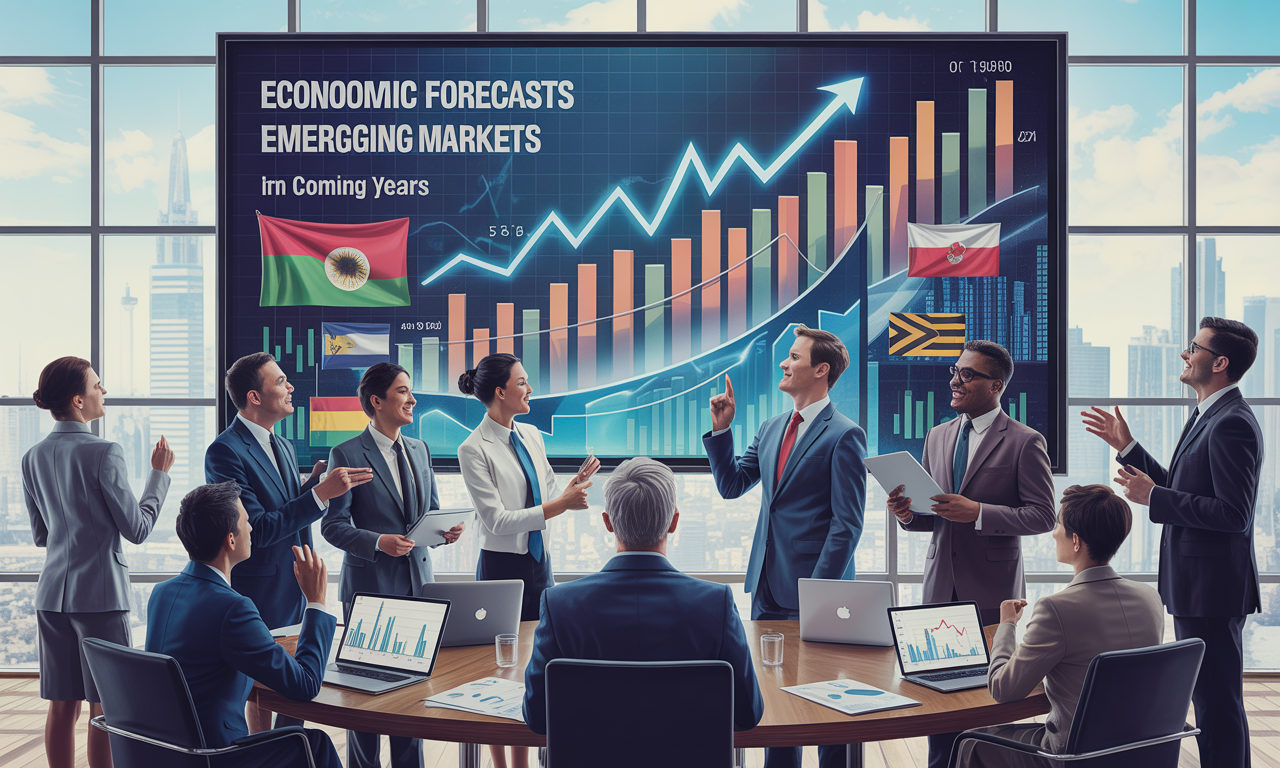
As the world faces ongoing geopolitical shifts, inflationary pressures, and an accelerating digital transformation, the fate of emerging markets attracts even closer scrutiny. Investors, analysts, and policymakers wonder which nations will adapt successfully and what global repercussions their journeys will provoke. In boardrooms from São Paulo to Mumbai, executives obsess over the insights delivered by financial giants: Goldman Sachs, JP Morgan, Morgan Stanley, HSBC, Bank of America, Deutsche Bank, Citigroup, Credit Suisse, Barclays, and UBS. Each bank crafts its predictions, illuminating both the perils and promises perched on the horizon. Storylines unfold, from digital infrastructure booms to debt restructuring woes, as economies strive to establish their own narrative arcs within the web of global commerce.
Shifting Economic Landscapes in Emerging Markets
The economic terrain in emerging markets has never been more dynamic. Major players like Brazil, India, and Nigeria confront external shocks and seek to capitalize on new opportunities unveiled by technology and shifting supply chains. According to JP Morgan, digital banking adoption and rising middle classes are pivotal drivers for Southeast Asia and Africa. Conversely, HSBC experts highlight supply chain realignments that have boosted export manufacturing in Vietnam and Mexico. Yet even as these trends gather force, vulnerabilities remain, especially exposure to currency fluctuations and external debt.
- Goldman Sachs expects India’s GDP to outpace China’s in certain quarters through 2025.
- Morgan Stanley predicts increased digital infrastructure investment across Southeast Asia.
- Deutsche Bank underscores commodity-driven growth in Latin America.
- Export-oriented economies like Vietnam benefit from Western companies diversifying production.
These evolving landscapes forge unexpected alliances and test the resilience of traditional growth models, paving the way for a new chapter in global economics.
Technology as a Catalyst for Growth in Developing Economies
The narrative of emerging markets is increasingly driven by technology adoption. When Citigroup reported on fintech’s explosive growth in Africa, the scene was set for a surge in financial inclusion. Credit Suisse has mapped the spread of digital infrastructure across Latin America, identifying new hotspots for venture capital inflows. Each leap in mobile payments and broadband access adds jobs, spurs consumers, and deepens capital markets.
- Rising e-commerce platforms alter retail landscapes in India and Brazil.
- Barclays analysts cite digital ID adoption as crucial for inclusive banking.
- UBS notes that cloud-based business solutions drive SME acceleration.
- Urban migration intensifies demand for online services.
With each technological stride, emerging economies script their own versions of innovation-led resilience, often leapfrogging established players in unexpected domains.
Risks and Opportunities in the Global Environment
Forecasts are rarely mere lines on a spreadsheet; they represent the hopes, fears, and calculations of everyday entrepreneurs and governments alike. Goldman Sachs warns of tighter US monetary policy’s ripple effects, while HSBC tracks China’s shifting appetite for foreign direct investment. Yet, as Morgan Stanley emphasizes, rising commodity prices inject fresh optimism for exporters in sub-Saharan Africa and Latin America.
- Interest rate volatility can hinder capital inflow and growth prospects.
- Energy transition opens new investment avenues, especially in renewables.
- Supply chain diversification means new winners and losers among nations.
- Geopolitical tensions challenge stability but attract resilient capital to select markets.
Within these intertwined risks and rewards, investors and policymakers search for clarity among the noise, constantly reevaluating old assumptions to stay ahead.
Case Studies: Emerging Market Success and Turbulence
The fortunes of emerging markets are not written in stone. Consider Mexico’s manufacturing boom, as Bank of America acknowledges the country’s gains from U.S. companies relocating supply chains. Meanwhile, South Africa grapples with energy shortages despite abundant natural resources, as reported by Deutsche Bank. Indonesia’s thriving digital economy, monitored closely by UBS, exemplifies innovation amid challenges like currency swings.
- Vietnam’s export surge reshapes its labor market and urban centers.
- Credit Suisse tracks Chile’s move to diversify beyond copper exports.
- Barclays highlights Egypt’s efforts to reform fiscal policies to attract investors.
- Civil unrest or political changes can disrupt otherwise promising forecasts.
These case studies remind us that growth is rarely linear and is frequently determined by each nation’s unique mix of assets, challenges, and policy responses.
Frequently Asked Questions about Economic Forecasts for Emerging Markets
What are the main factors influencing economic forecasts in emerging markets?
Key influences include domestic policy reforms, commodity price shifts, foreign capital movement, technology adoption, and global financial conditions set by institutions like the Federal Reserve. Reports from Goldman Sachs, JP Morgan, and HSBC frequently highlight the interplay between these factors.
Which emerging markets are expected to outperform in the next few years?
Analysts from Morgan Stanley and UBS point to India, Indonesia, Vietnam, and Mexico as likely outperformers, largely due to their demographic trends, digital infrastructure development, and integration into global supply chains.
What risks should investors consider in emerging markets?
Citigroup and Deutsche Bank flag risks such as currency instability, political changes, regulatory unpredictability, and exposure to external debt, along with the challenge of integrating new technologies sustainably.
How are major financial institutions adapting their strategies for emerging markets?
Banks like Credit Suisse and Barclays are expanding research teams, investing in local partnerships, and building digital platforms tailored for emerging economies to better navigate changing landscapes and seize new growth opportunities.