




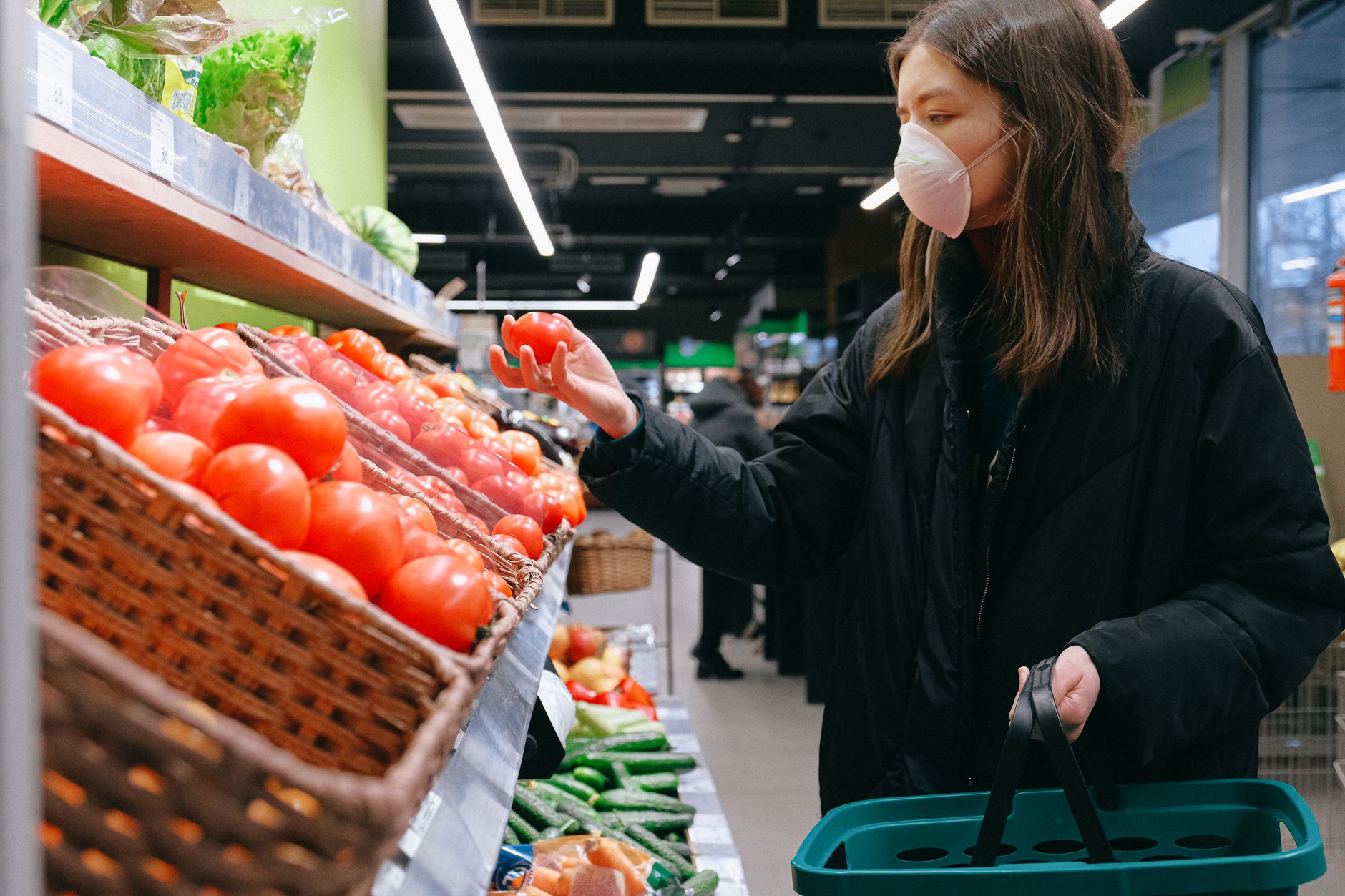
The rhythm of everyday life was permanently altered by the pandemic, and with it, the habits of consumers worldwide have evolved in ways few could have predicted just a few years ago. The swift pivot from bustling shopping malls to late-night Amazon sprees, the adoption of platforms like Zoom not only for meetings but for family gatherings, and the steady reliance on services such as Instacart and DoorDash have all become woven into the consumer experience. Whether it’s older generations now adept at online checkout or millennials balancing click-and-collect with personalized loyalty apps, no retailer, from giants like Walmart and Target to boutique Shopify stores, has been immune to these sweeping changes. As we look at 2025, the landscape is defined by hybrid shopping, rising digital expectations, and a demand for seamless convenience, subtle shifts that reflect both resilience and a hunger for novelty.
Hybrid Shopping Experiences: The Blending of Physical and Digital Worlds
Shopping is no longer just a matter of going to the store or browsing an app; consumers now expect businesses to provide a seamless experience across both domains. The days of pure e-commerce supremacy have given way to a hybrid reality. According to recent studies, more than 56% of consumers prefer the flexibility of shopping both online and in-store, making hybrid shopping the new standard.
- Click-and-collect services (buy online, pick up in-store/curbside) became the norm, especially as in-person shopping has rebounded yet consumers refuse to let go of digital conveniences.
- Major retailers such as Target, Walmart, and Amazon have expanded their cross-channel offerings, ensuring consumers encounter fewer barriers to finalizing purchases.
- Hybrid shopping thrives on convenience, ample parking, flexible pickup times, and easy-to-navigate mobile notifications, as adopted by platforms like Shopify.
Hybrid shopping, originating as a necessity, endures as a preference, with both stress reduction and efficiency cited as top motivators. The seamless fusion of digital and in-person retail is now an expectation, not a luxury.
How Click-and-Collect Services Redefined Retail Habits
Click-and-collect’s meteoric rise during the pandemic was fueled by safety concerns, but its persistence is all about flexibility and speed. Today, shoppers at Walmart or Target can order online and pick up their items within hours, often without stepping out of their vehicles.
- BOPIS (Buy Online, Pick Up In-Store) is no longer stealing thunder from traditional online delivery, it has become a baseline expectation.
- Retailers that integrate real-time order tracking and self-service kiosks see higher customer satisfaction and return rates.
- The evolution of click-and-collect also inspires smaller businesses powered by Shopify to offer similar experiences to stay competitive.
Those who excel at blending digital and physical operations will keep winning the post-pandemic shopper’s loyalty, blurring the line between online convenience and the tactile experience of retail.
Digital Acceleration: Online Shopping, Discovery, and Payment Trends
As the world transitioned in and out of lockdowns, digital habits crystallized. The rapid adoption of services like Amazon, Peloton, and Netflix transformed commerce and entertainment traditions. The process of finding and buying products has migrated away from simple search engines towards marketplaces and social feeds.
- 61% of shoppers now start product searches on Amazon; Walmart.com and YouTube are also leading starting points.
- Social media, Instagram, TikTok, Facebook, plays a pivotal role, especially for Gen Z’s preference for discovering products through short-form video.
- The rise of Buy Now, Pay Later (BNPL) has changed the calculus of purchasing, with almost 40% of internet users predicted to use BNPL by 2026.
The digital coupon, once an add-on, is now central to saving strategies. With 67% of Americans using digital coupons, brands seeking attention on platforms like Target’s app or Shopify-powered stores must deliver digital deals directly to buyers’ inboxes or phones.
Brand Discovery and the War for Consumer Attention
The rise of influencer recommendations and sponsored content has redefined which brands get noticed. While Amazon and Walmart dominate as product launchpads, nimble brands leverage TikTok challenges or Instagram infomercials to ignite viral excitement.
- Gen X and Millennials balance search engine research with social discovery.
- Gen Z gravitates toward short, eye-catching videos for product ideas.
- Retailers and brands from Nike to new Shopify sellers are ramping up personalized online experiences to meet these shifts.
The winners are those that embed their offers organically within the flow of digital life, surfacing deals where customers browse, play, and share.
Loyalty, Coupons, and Impulse: Evolving Decision Drivers
Economic uncertainty, inflation, and an omnipresent choice landscape have led buyers to reevaluate loyalty. Programs must now deliver not only perks but also tangible value. At the same time, consumer impulse reached new highs, spurred by a need for comfort during unpredictable times, and by the frictionless simplicity of instant purchasing on DoorDash or via Netflix subscriptions.
- 78% of consumers say loyalty program quality influences their purchasing.
- Many, especially millennials, are drawn by coupons or discounts, prompting higher trial rates for new brands.
- Impulse shopping is fed not just by stress, but by ever-present opportunities via social platforms and mobile apps.
Even as data privacy concerns grow, over half of shoppers expect individualized experiences and are willing to share data for stronger rewards, pushing brands to balance personalization with transparency.
The Push-Pull of Personalization and Privacy
The pandemic made consumers acutely aware of both the benefits and risks of sharing personal information. Buyers seek convenience and offers tailored to their behavior on apps like Instacart or Nike Run Club, but balk if tracking feels invasive.
- 53% expect unique, tailored experiences, regardless of channel.
- Yet almost half believe data privacy is more important than personalization.
- This tension drives brands such as Nike and Shopify stores to innovate with transparent, value-driven programs.
The future of loyalty belongs to brands that turn data into genuine value, not just marketing fodder.
The Enduring Impact of Pandemic-Era Shifts on Consumer Behavior
Some pandemic pivots are now permanent. A remarkable number of baby boomers are comfortable shopping online, while younger consumers crave the immediacy and authenticity of social commerce. The world may have opened up, but hybrid work, digital continuities, and evolved social networks endure.
- Video communication surged: in 2022, 54% of US adults used video chat weekly (compared to 23% in 2019), with platforms like Zoom fundamentally changing connection habits.
- Personal networks have shrunk, amplifying the role of online communities and brand touchpoints.
- Impulse spending grew as an emotional outlet, with remorse a common aftermath, pressuring brands to strike the right contextual chord.
With companies like Peloton, Netflix, and DoorDash all redefining home-centric convenience, it is clear: flexibility, hybridization, and a digitally enriched reality define the way forward for both brands and buyers.
FAQ on Shifting Consumer Habits Post-Pandemic
How has the balance between online and in-store shopping changed since the pandemic?
Consumers now expect seamless integration between digital and physical shopping. Click-and-collect services, hybrid experiences, and flexible pickup options are standard, with giants like Amazon, Walmart, and Target leading the way.
What role do digital payments and BNPL play in current buying habits?
Buy Now, Pay Later (BNPL) is rapidly gaining traction, making purchases more accessible and spreadable. Major retailers and e-commerce sites have implemented these solutions, responding to demand for payment flexibility and spontaneity.
Why is product discovery increasingly happening on platforms like Amazon and social media?
Buyers begin their shopping journeys where they already spend time, on Amazon, Walmart.com, and across social networks. Short videos, influencers, and algorithm-driven suggestions drive brand awareness more than traditional search engines.
How do loyalty programs need to evolve in this environment?
Modern shoppers demand more valuable, personalized rewards, a shift from transactional discounts to genuine engagement, even as concerns over privacy grow. Brands must provide transparency and real value to earn and keep loyalty.
What types of businesses are positioned to benefit most from these shifts?
Agile companies, whether massive, like Target and Nike, or fast-moving Shopify entrepreneurs, who embrace hybrid logistics, robust digital engagement, and next-generation loyalty platforms will thrive as consumer preferences continue to evolve.