

Lib Dem Treasury spokesman Charlie Maynard quits frontbench, reportedly wanting Ed Davey replaced as leader
Maynard resigned on 9 October, four days after Alison Bennett left the frontbench. Deputy leader Daisy Cooper says most MPs back Davey, while the party trails the Greens and Reform UK in national polls.
 By
Farah Choudhury
By
Farah Choudhury
Charlie Maynard resigned as the Liberal Democrats’ Treasury spokesman on Friday 9 October 2026 and, according to the BBC, wants Sir Ed Davey replaced as leader.
In brief
- The Witney MP’s departure was first reported by the Financial Times.
- Maynard, he said, had put his head above the parapet, and the next few days would show whether there was a groundswell behind him.
- Any challenge would first need a majority of the party’s MPs to turn against Davey.
The Witney MP’s departure was first reported by the Financial Times. The Guardian understands he stepped down in an attempt to unseat Davey, after months of frustration that the party was failing to cut through with voters. Maynard has not set out his reasons publicly; the BBC has approached him for comment.
A second frontbench exit in one week
Maynard is not the first to leave Davey’s top team this week. Alison Bennett, who spoke for the party on care and carers, stood down four days earlier. She did not confirm why, though the BBC understands it was not for personal reasons. Nothing links her exit to Maynard’s.
People close to Davey privately acknowledge a “small group” of Lib Dem MPs unhappy with his leadership, and count Maynard among them. No figure has been given for how many MPs oppose him.
Loyalists responded quickly. Deputy leader Daisy Cooper backed Davey within hours, saying the party’s MPs overwhelmingly support him:
“The vast majority of our MPs support Ed, want him to lead the party into the next election, and are furious at this distraction.”
Daisy Cooper, deputy leader of the Liberal Democrats
She added that the Lib Dems were “the last line of defence against a Reform UK government” and that Davey intended to take a strong, united party into the next general election.
Former leader Tim Farron also defended Davey, arguing that the party could equal or even surpass its record tally of MPs from the last election. By Friday evening several other Lib Dem MPs, some of them frontbenchers, had posted support for Davey on social media.

Julian Brazil, a council leader who has criticised Davey before, was more equivocal. He called Davey a “fantastic leader” but said people were not listening to him and that “we need to have a fresh start”. Maynard, he said, had put his head above the parapet, and the next few days would show whether there was a groundswell behind him.
From a historic result to a slide in the polls
The pressure follows a striking reversal. Davey took the helm in 2019 as acting leader and became the official leader in August 2020. At the 2024 general election he steered it to its most successful result in more than 100 years, which the BBC puts at 72 seats. The Guardian counts 71 MPs today, making the Lib Dems the third largest party in the Commons.
That parliamentary strength has not translated into public support. The Guardian reports that the party has slipped to fourth or fifth in national polls, behind the Greens and Reform UK. The BBC says polling has stayed at relatively low levels since 2024.
Brazil, who leads Devon county council, had already warned at the party’s September conference in Brighton that the Lib Dems were “sleepwalking into irrelevance” and “lacking ambition”. Davey played down the criticism. At the same gathering he announced a £17bn income tax cut aimed at shoring up support among former Conservative voters, saying it would be paid for entirely by extra growth from rejoining the EU single market and customs union.
The pension triple lock has caused further friction. The mechanism raises the state pension each year by inflation, wage growth or 2.5%, whichever is highest. Davey criticised Andy Burnham’s announcement that he would adjust it, arguing it would “put more pensioners into poverty”. Some Lib Dems attacked his stance in public, though no source connects that dispute to Maynard’s resignation.
Who Maynard is, and how a leader can be removed
Maynard was first elected in 2024. He took Witney in Oxfordshire, a seat with a Conservative tradition that David Cameron once held, by a margin of over 4,000 votes. Before entering Parliament he ran an international mergers and acquisitions advisory firm.
Under party rules, removing a leader and standing against one involve several hurdles:
| Step | Requirement under party rules |
|---|---|
| Triggering a contest | A vote of no confidence passed by a majority of all Lib Dem MPs |
| Parliamentary nominations | At least 10% of the parliamentary party, not counting the candidate |
| Membership backing | 200 members spread across at least 20 local parties |
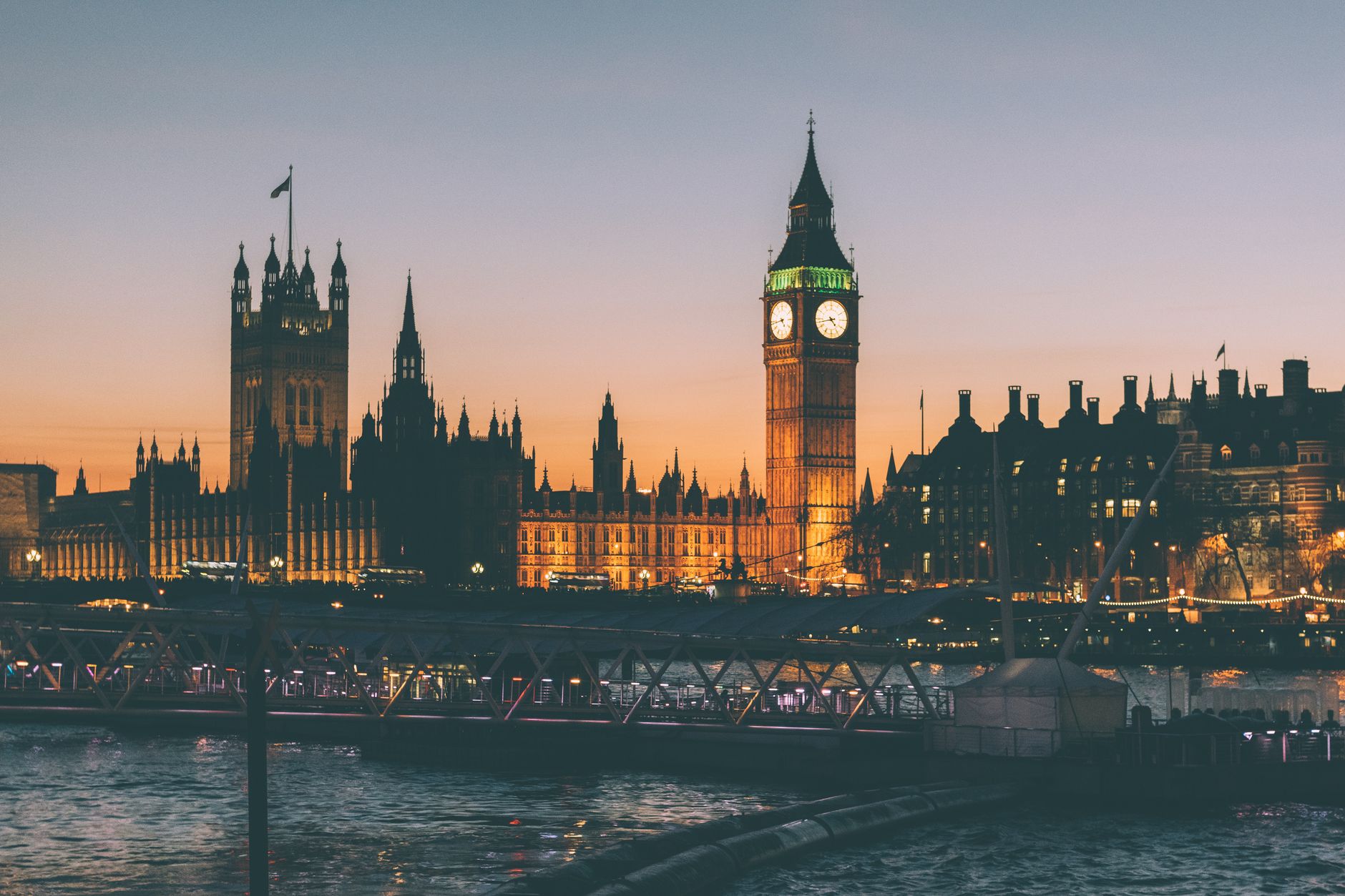
Featured image. Source: Pexels. Credit: Uncoated. License: Pexels License.
Continue reading