



| IN A NUTSHELL |
|
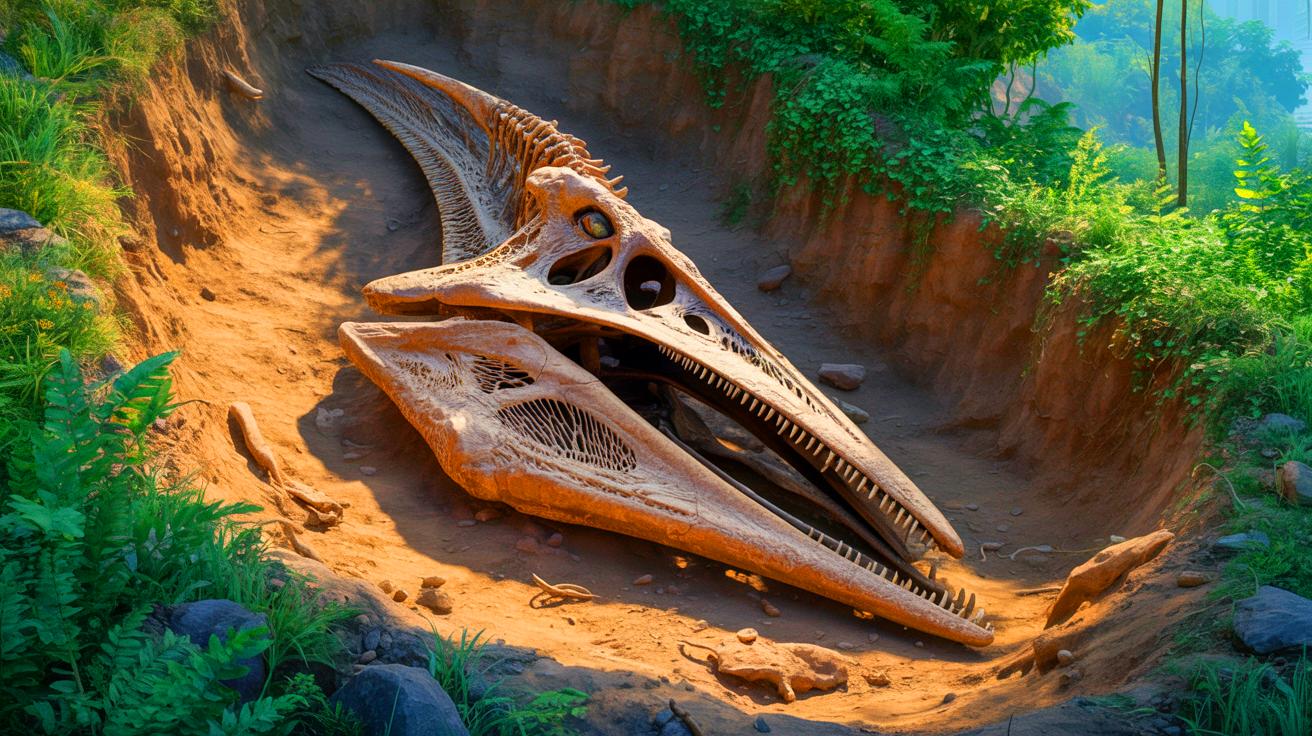
The recent discovery of a pterosaur fossil with unexpected stomach contents has thrown open a window into the dietary habits of these majestic prehistoric creatures. For years, the consensus held that these flying reptiles were carnivorous, preying on fish and insects. However, a landmark study published in the Science Bulletin has presented groundbreaking evidence that challenges this narrative. The fossil, unearthed in northeastern China, reveals the presence of phytoliths, tiny, rigid plant structures, in the stomach of a species known as Sinopterus atavismus. This discovery not only reshapes our understanding of pterosaur diets but also adds a fascinating dimension to the ecological niches these creatures occupied.
Prehistoric Flying Reptile Had Stones and Plants in Its Stomach
Pterosaurs, the first vertebrates to achieve powered flight, have long fascinated scientists and the public alike. These extinct reptiles soared through ancient skies from the Late Triassic period, about 240 million years ago, until the end of the Cretaceous period around 66 million years ago. Although often mistaken for dinosaurs, pterosaurs like the pterodactyls and pteranodons belonged to their own distinct group. This new finding of phytoliths in the stomach of Sinopterus atavismus confirms the presence of herbivorous behavior in this species, marking a pivotal moment in pterosaur research.
The study, conducted by a team from the Institute of Vertebrate Paleontology and Paleoanthropology (IVPP) at the Chinese Academy of Sciences, sheds light on a long-standing debate regarding the dietary habits of these winged reptiles. Previously, theories about their diets ranged from insects and fish to meat and plants, with some scientists even speculating that certain species might have filter-fed like whales. The discovery of both phytoliths and gastroliths, stones swallowed to aid digestion, within the fossil provides a rare glimpse into the complex dietary strategies of pterosaurs.
Fossil Preserved in Shale Slab, Captured Delicate Details
The fossil of Sinopterus atavismus was discovered by researchers from IVPP in China’s Liaoning province, known for its Lower Cretaceous geological formations. This region has yielded numerous significant fossils, but the nearly complete specimen of Sinopterus is exceptionally rare. Belonging to the tapejaridae family, a group of toothless pterosaurs, this fossil was preserved in a fine shale slab. Shale, a type of compacted mudstone, is renowned for capturing even the most delicate details of ancient life.
Using specialized 3D X-ray imaging, the research team, which included experts from Shenyang Normal University and the National Museum of Brazil, conducted a thorough analysis of the fossil. Inside the body cavity, they discovered a fine, claylike material resembling undigested plant matter. This material contained phytoliths, which are durable structures that form inside plant cells and can endure long after the rest of the plant has decayed. According to David Martill, a paleontologist at the University of Portsmouth, this rare discovery overturns the long-held belief that these winged reptiles were exclusively carnivorous.
Implications of the Discovery: Rethinking Pterosaur Ecology
The implications of discovering plant material in the stomach of a pterosaur are far-reaching. This new evidence suggests that pterosaurs might have been more ecologically diverse than previously thought. The presence of gastroliths alongside phytoliths indicates that these reptiles might have used stones to help grind plant material, akin to the digestive practices of some modern birds. This behavior implies a level of dietary adaptation that could have allowed pterosaurs to exploit a broader range of ecological niches than previously assumed.
This revelation prompts a reevaluation of the ecosystems pterosaurs inhabited and their interactions with other species. If some pterosaurs were indeed herbivorous or omnivorous, it could mean they played different roles in their environments, possibly influencing plant populations or serving as prey for other carnivorous creatures. This discovery invites further exploration into the ecological dynamics of the prehistoric era in which pterosaurs thrived.
Future Research Directions: Unraveling More Mysteries
The newfound evidence of herbivorous behavior in pterosaurs opens exciting avenues for future research. Scientists are now tasked with exploring whether other pterosaur species exhibited similar dietary habits. Advanced imaging technologies and continued excavations in fossil-rich regions like Liaoning hold the potential to uncover additional specimens that could either corroborate or challenge these findings.
Moreover, this discovery underscores the importance of interdisciplinary collaboration in paleontology. By bringing together experts from different fields, researchers can gain a more comprehensive understanding of ancient life. As we unlock more secrets hidden in fossils, we continue to refine our understanding of Earth’s history and the complex web of life it once hosted. Could there be more surprises waiting in the fossil record that will further alter our understanding of prehistoric ecosystems?